
Managing Pet Digestive Issues: A Complete Guide
Learn when to seek veterinary care and how to support your pet's recovery
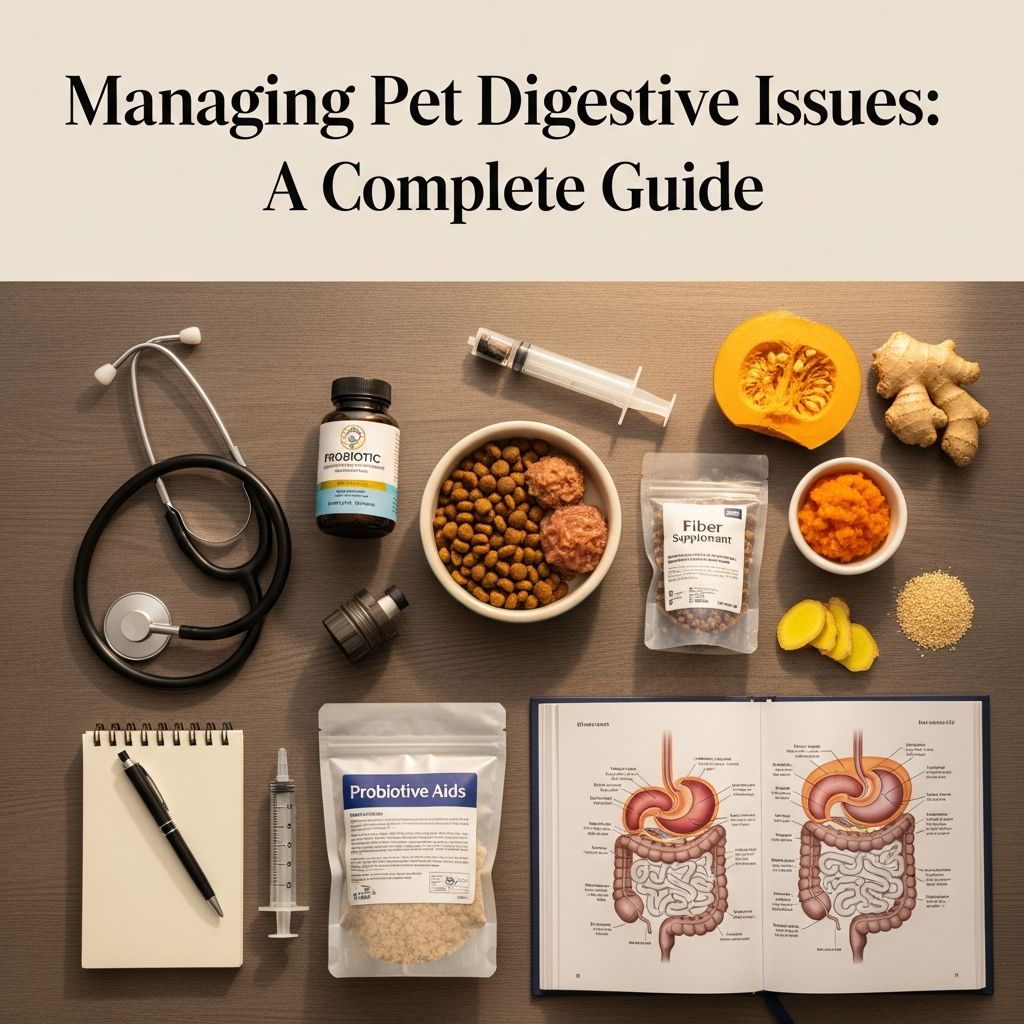
Digestive upset in pets is one of the most common reasons pet owners seek veterinary care. While occasional vomiting or diarrhea may resolve on its own with conservative management, understanding the underlying causes and recognizing when professional help is needed can make a significant difference in your pet’s recovery. This comprehensive guide explores the various aspects of managing these distressing conditions and helps you determine the appropriate course of action.
Understanding the Root Causes of Digestive Distress
Identifying what triggers digestive problems in your pet is the first step toward prevention and treatment. Multiple factors can contribute to vomiting and diarrhea, ranging from minor dietary indiscretions to serious underlying medical conditions.
Dietary factors represent one of the most common culprits behind digestive upset. Pets often eat things they shouldn’t, including garbage, spoiled food, or non-food items that irritate their digestive tract. Rapid dietary changes can also trigger problems—for example, switching to a new food brand too quickly without a gradual transition period. Feeding table scraps or high-fat treats that differ significantly from your pet’s regular diet can overwhelm their digestive system, resulting in acute episodes of vomiting or diarrhea.
Environmental and household hazards pose another significant risk. Many common household items are toxic to pets, including certain plants, yard chemicals, and human medications. When pets accidentally ingest these substances, the resulting symptoms can be severe and potentially life-threatening.
Infectious diseases are particularly concerning, especially in younger or unvaccinated animals. Parasites, bacterial infections, and viral pathogens can all cause digestive upset. Some of these conditions are contagious and can spread to other animals in your household or community, making prompt diagnosis and treatment important for both your pet and others.
Recognizing When Your Pet Needs Immediate Professional Care
Not all cases of vomiting and diarrhea require emergency intervention, but certain warning signs demand immediate veterinary attention. Learning to identify these red flags can prevent serious complications and potentially save your pet’s life.
Emergency symptoms requiring urgent action include:
- Persistent, severe vomiting or diarrhea that occurs repeatedly within a short timeframe
- Blood present in vomit or stool, indicating potential internal bleeding or severe inflammation
- Symptoms that develop suddenly and are accompanied by other concerning signs
- Signs of extreme lethargy or unresponsiveness
- Refusal to eat or drink for extended periods (more than 12 hours)
- Observable signs of dehydration such as dry gums, sunken eyes, or skin that remains tented when gently pinched
- Pale or discolored gums, difficulty breathing, or collapse
- A visibly bloated or painful abdomen
- Three or more vomiting episodes within a 24-hour period
- Ingestion of known toxic substances or foreign objects
Dehydration is particularly concerning because it can develop rapidly in pets experiencing frequent vomiting or diarrhea. You can assess hydration status by checking your pet’s gums—they should feel moist to the touch. Another simple test involves gently pinching the skin on your pet’s neck; if it remains tented and doesn’t return to normal quickly, dehydration is present.
The Role of Dehydration in Digestive Upset
When pets vomit or experience diarrhea, they lose significant amounts of fluid and essential electrolytes that their bodies need to function properly. This fluid loss can happen surprisingly quickly, making rehydration a priority in veterinary treatment. Without adequate fluids, your pet’s organs cannot function optimally, and their condition can deteriorate rapidly.
Professional veterinary care often includes fluid replacement through intravenous or subcutaneous administration, depending on the severity of dehydration. These medical interventions restore not only fluid volume but also the critical electrolyte balance that oral rehydration alone may not achieve effectively.
Diagnostic Approaches Used by Veterinarians
When you bring your pet to a veterinary clinic, the diagnostic process typically begins with a thorough physical examination. The veterinarian will assess your pet’s overall condition, hydration status, and comfort level while gathering detailed information about the onset and progression of symptoms.
Depending on the severity and duration of symptoms, your veterinarian may recommend in-house diagnostics such as:
- Bloodwork to evaluate organ function and identify systemic issues
- X-rays to detect blockages, foreign bodies, or other structural abnormalities
- Fecal tests to identify parasites or bacterial infections
These diagnostic tools help pinpoint the underlying cause, allowing for targeted treatment rather than general symptomatic management. In some cases, your veterinarian may suspect a foreign body obstruction or other condition requiring surgical intervention.
Treatment Options and Recovery Protocols
Treatment approaches vary significantly depending on the underlying cause and severity of your pet’s condition. Your veterinarian will develop a customized treatment plan addressing your pet’s specific needs.
For mild to moderate cases, typical treatment includes:
- A temporary fasting period of 12 hours for dogs (though cats require careful monitoring and should not fast longer than 24 hours without veterinary guidance)
- Continued access to fresh water, offered in small amounts if vomiting is ongoing
- Introduction of bland, easily digestible food such as boiled chicken and white rice
- Gradual reintroduction of regular food over several days
- Medications to control nausea and firm up stool consistency
- Prescription probiotics to restore healthy gut bacteria balance
For more serious conditions, treatment may involve:
- Intravenous or subcutaneous fluid administration to correct dehydration and restore electrolytes
- Specialized medications targeting the underlying cause, such as antibiotics for bacterial infections or deworming agents for parasitic infestations
- Anti-nausea medications and gastroprotectant drugs
- Emergency surgical intervention if a foreign body or blockage is present
- Specific antidotes and intensive supportive care in cases of poisoning
- Isolation protocols if a contagious disease is suspected
- Hospitalization for ongoing monitoring and care
Managing Mild Cases at Home
If your pet shows no emergency warning signs and exhibits only mild digestive upset, home care may be appropriate while you monitor their condition closely. However, this approach requires careful observation and knowledge of when to escalate to professional care.
Initial home care steps include:
- Withhold food for approximately 12 hours to allow the stomach to settle, while maintaining water access
- Offer water in small amounts, particularly if your pet has been vomiting
- Consider offering ice cubes as an alternative way to provide hydration
- Monitor your pet closely for any worsening of symptoms
Reintroducing food gradually:
Once your pet has gone 12 hours without vomiting, you can begin offering bland food in small quantities. Boiled chicken and white rice represent ideal choices for this initial reintroduction phase. Offer only a few teaspoons initially, and if your pet tolerates this well, gradually increase portions over the following day. Continue feeding small, frequent meals rather than one or two large meals, as this approach is gentler on the recovering digestive system.
Over the next 24 hours, begin mixing your pet’s regular food with the bland diet in gradually increasing proportions. By day four, if your pet appears fully recovered, you can return to their normal feeding routine. However, if symptoms persist or recur at any point during this transition, veterinary evaluation is warranted.
Special Considerations for Cats
Cats require different management protocols compared to dogs, particularly regarding fasting periods. Cats should never fast for longer than 24 hours without veterinary consultation, as extended periods without food can trigger serious liver complications. Additionally, cats are more prone to certain infectious diseases and may require more aggressive monitoring and treatment when experiencing digestive upset.
Monitoring and Warning Signs During Recovery
The recovery period requires vigilant observation. Even if your pet appears to be improving, certain developments necessitate immediate veterinary attention:
- Continued lack of appetite beyond 2-3 days
- Failure to improve after introducing bland diet
- Recurrence of vomiting or diarrhea
- Blood appearing in stool or vomit at any point
- Signs of lethargy or decreased responsiveness
- Refusal to drink water
- Return of abdominal pain or distension
Keep detailed notes about your pet’s symptoms, including the frequency and appearance of vomiting or stool, appetite changes, and any other observations. This information will prove invaluable if veterinary care becomes necessary.
Prevention Strategies for Future Episodes
While you cannot prevent all cases of digestive upset, several preventive measures can significantly reduce the likelihood of problems developing. Maintain consistent feeding routines and avoid sudden dietary changes. If you need to switch foods, do so gradually over 7-10 days, mixing increasing amounts of new food with the previous diet.
Secure household hazards by keeping toxic plants out of reach, storing medications and chemicals safely away from pets, and preventing access to garbage and spoiled food. Ensure your pet receives appropriate vaccinations and parasite prevention as recommended by your veterinarian. These preventive measures are far less costly and stressful than treating acute digestive emergencies.
When to Call Your Veterinarian Versus Emergency Care
Your regular veterinarian can address most cases of digestive upset during business hours. However, symptoms occurring after hours or those involving the emergency warning signs listed above warrant a visit to an emergency veterinary clinic. Do not delay seeking emergency care in situations where your pet shows signs of severe illness, as conditions can deteriorate rapidly.
Understanding the difference between manageable home care and situations requiring professional intervention empowers you to make informed decisions about your pet’s health. When in doubt, contacting your veterinarian for guidance is always the prudent choice.
References
- When Vomiting or Diarrhea Means Immediate Vet Attention — VetCheck Pet Urgent Care Center. 2024. https://www.vetcheckforpetsfishers.com/blog/when-vomiting-or-diarrhea-means-immediate-vet-attention
- Vomiting and Diarrhea: Can It Wait Until Morning? — UrgentVet. 2024. https://urgentvet.com/vomiting-and-diarrhea-can-it-wait-until-morning/
- Vomiting and Diarrhoea in Dogs — Blue Cross UK. 2024. https://www.bluecross.org.uk/advice/dog/health-and-injuries/vomiting-and-diarrhoea-in-dogs
- Diarrhea — Cornell University College of Veterinary Medicine. 2024. https://www.vet.cornell.edu/departments-centers-and-institutes/riney-canine-health-center/canine-health-topics/diarrhea
- Gastroenteritis in Pets — Herndon Animal Medical Center. 2024. https://www.herndonveterinary.com/blog/gastroenteritis-in-pets
- Vomiting and Diarrhea — MU Veterinary Health Center. 2024. https://vhc.missouri.edu/small-animal-hospital/emergency-and-critical-care/vomiting-and-diarrhea/
- Dog Vomiting and Diarrhea: When It’s an Emergency and What to Do — Golden State Veterinary Specialists. 2024. https://gsvs.org/blog/dog-vomiting-diarrhea-emergency/
- Vomiting & Diarrhea in Pets That Won’t Stop: Causes & What to Do — Maury County Veterinary Clinic. 2024. https://www.maurycountyvet.com/site/blog/2024/10/15/vomiting-diarrhea-pets-causes
Similar Articles








Read full bio of medha deb


