

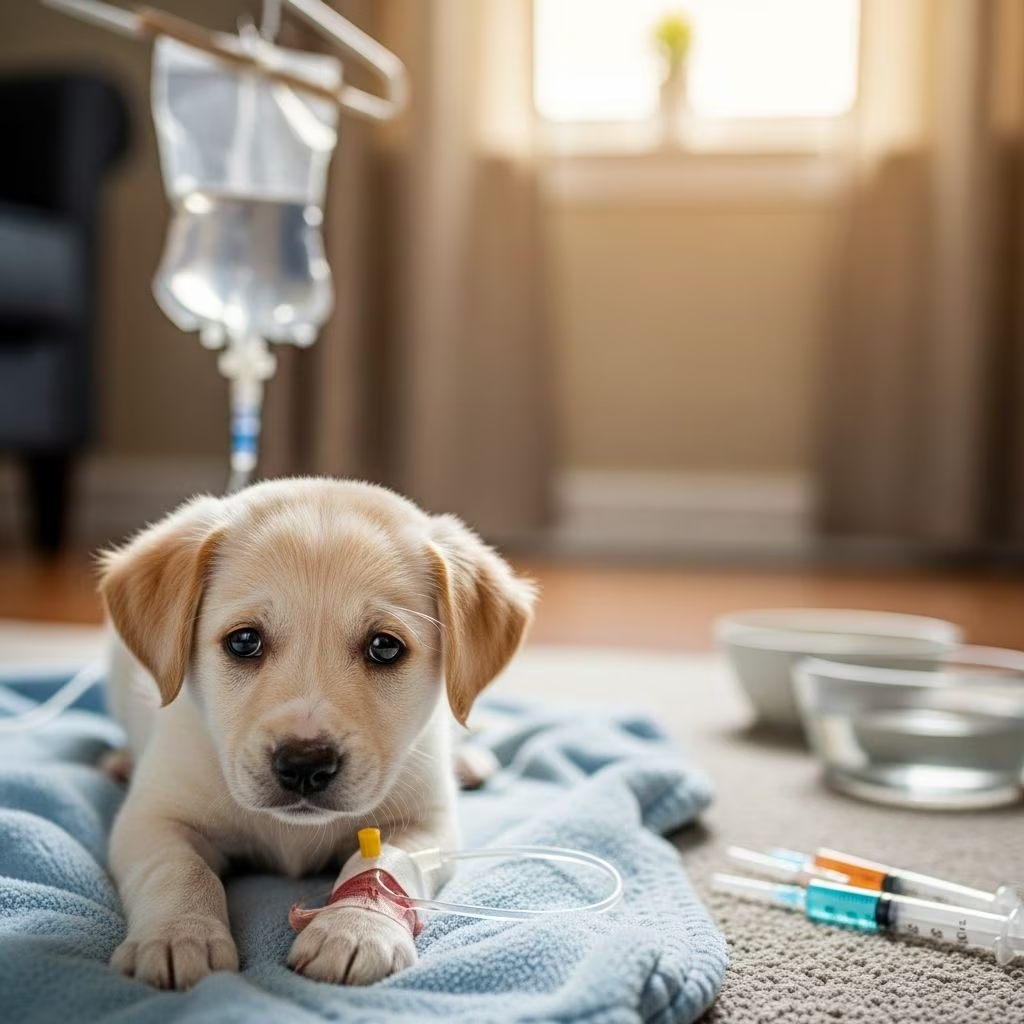
Parvovirus, commonly known as parvo, poses a severe threat to young dogs, causing intense gastrointestinal distress and rapid dehydration. While professional veterinary intervention remains the standard, many owners explore supportive home care options to stabilize puppies during early stages or as adjunct therapy. This guide outlines evidence-based approaches drawn from reliable veterinary insights, emphasizing hydration, symptom relief, and environmental control to bolster a puppy’s resilience against this virulent pathogen.
Understanding the Parvo Threat in Young Dogs
Canine parvovirus targets rapidly dividing cells in a puppy’s intestines, leading to bloody diarrhea, relentless vomiting, lethargy, and fever. Unvaccinated puppies under six months are most vulnerable, with mortality rates exceeding 90% without prompt care. The virus spreads via contaminated feces, surviving in environments for months, making isolation critical. Early detection hinges on recognizing signs like refusal to eat, weakness, and foul-smelling stools, prompting immediate action to prevent fatal dehydration.
Professional treatments prioritize intravenous fluids to restore electrolyte balance, antibiotics to ward off secondary infections, and antiemetics for nausea control. Home efforts cannot replicate these but can bridge gaps, particularly in resource-limited scenarios, by focusing on fluid maintenance and immune support until veterinary access is secured.
Core Principles of Home-Based Support
Success in managing parvo at home demands unwavering commitment, including round-the-clock monitoring and meticulous record-keeping of symptoms, fluid intake, and responses to interventions. Owners must prepare for sleep deprivation, as treatments occur hourly. Always consult a veterinarian first for diagnosis confirmation via fecal testing and tailored advice, as home care supplements, not replaces, expert oversight.
- Isolation Protocol: Confine the affected puppy indoors and limit yard access to curb viral shedding, protecting household pets and neighborhood dogs for at least four weeks post-recovery.
- Monitoring Vitals: Check temperature rectally every four hours (normal: 100-102.5°F), assess gum moisture for hydration, and track stool/vomit frequency.
- Comfort Measures: Provide a warm, quiet space with clean bedding to reduce stress, which exacerbates symptoms.
Hydration: The Lifeline for Survival
Dehydration kills fastest in parvo cases, as vomiting and diarrhea deplete fluids relentlessly. Restoring hydration is paramount, starting with veterinary-guided subcutaneous (sub-Q) fluids if available. These involve injecting sterile solutions under the skin, allowing gradual absorption—ideal for mild cases but insufficient alone if severe purging persists.
For oral rehydration, once vomiting subsides:
- Begin with tiny amounts (drops) of unflavored Pedialyte or homemade electrolyte mix every 15-30 minutes: 1 quart water, 1 tsp salt, 3 tbsp sugar, 1 tbsp honey.
- Gradually escalate to teaspoons, then sips every half-hour at room temperature, halting if regurgitation occurs.
- Advance to free-access bowls only after 24 hours of retention.
Enhance tolerance with ginger tea (steep fresh ginger in hot water, cool, dilute 1:10 in fluids) to soothe nausea and boost immunity; add turmeric for anti-inflammatory benefits. Avoid tap water; use filtered or spring sources exclusively.
Nutritional Strategies During Crisis
Withhold food for 12-24 hours post-vomiting cessation to rest the gut, then introduce easily digestible options. Probiotics and prebiotics are foundational, restoring gut flora ravaged by the virus. Dose per manufacturer guidelines, scaling human products by body weight (e.g., 150 lb human equivalent adjusted downward).
| Recovery Phase | Recommended Feeding | Frequency | Portion Size |
|---|---|---|---|
| Initial (Post-Vomiting) | Pedialyte or oat water | Every 1-2 hours | 1-5 ml/kg |
| Early Nutrition | Raw egg yolks (antibodies) | Every 4-6 hours | ½ yolk (<10 lbs); 1 yolk (larger) |
| Rebuilding | Moist baby food (chicken/rice) | 4-6 times daily | Small spoonsful |
| Full Recovery | Blended puppy kibble | 3 meals/day | Normal portions |
Raw egg yolks provide natural antibodies; offer sparingly to avoid overload. Transition slowly to prevent setbacks, monitoring for tolerance.
Immune and Symptom Support Remedies
Homeopathic options like pellets (e.g., Arsenicum album for exhaustion) can be potentized: Dissolve 2-3 pellets in filtered water, stir 20 times, administer via gums with a dropper. Store in dark cabinets, redose after observing effects. These are not cures but may ease distress.
Probiotics (e.g., Lactobacillus strains) alongside prebiotics (fructooligosaccharides) rebuild intestinal barriers. Herbal infusions—slippery elm for gut coating, chamomile for calming—offer gentle aid, but verify veterinary approval to avoid interactions.
Hygiene and Disinfection Imperatives
Parvo endures up to a year on surfaces, necessitating rigorous sanitation.
- Daily Cleaning: Launder bedding/toys in hot water; scrub bowls with dish soap.
- Bleach Protocol: 1:30 dilution (1 part bleach to 30 parts water) on non-porous surfaces post-organic matter removal; dwell 10 minutes.
- Waste Management: Double-bag feces/vomit, dispose securely.
- Personal Protection: Dedicate clothing/towels; wash hands rigorously.
- Yard Treatment: Hose areas, apply bleach solution, avoid for unvaccinated dogs post-recovery.
Dispose irredeemable porous items like certain toys.
Recognizing Escalation and Vet Escalation
Monitor for red flags: sunken eyes, cold extremities, prolonged lethargy, or WBC drop (if tested). Survival odds plummet without intervention; even home successes report 24/7 vigilance. Tele-vet consults provide real-time guidance. Advanced options like monoclonal antibodies show 100% efficacy in trials but require clinics.
Prevention: The Ultimate Defense
Vaccinate puppies from 6-8 weeks, boosting every 2-4 weeks until 16-20 weeks. Avoid dog parks/public exposure until fully protected. Maternal antibodies can interfere, so titer tests ensure timing.
Frequently Asked Questions (FAQs)
Can puppies fully recover from parvo at home?
Possible with aggressive supportive care, but risks are high; vet-monitored treatment yields 80-90% survival.
How long does parvo last in puppies?
Acute phase: 3-7 days; full recovery 1-2 weeks with isolation extending 4 weeks.
Is there a natural cure for parvo?
No proven cure; supportive measures aid but don’t eradicate the virus—vet care essential.
What if my puppy won’t keep fluids down?
Revert to sub-Q if trained, or seek emergency IV; hourly micro-doses key.
How to protect other pets during outbreak?
Strict separation, full disinfection, vaccination verification.
References
- Parvovirus Part III: How To Treat Parvo At Home — Dogs Naturally Magazine. 2023. https://www.dogsnaturallymagazine.com/parvovirus-part-iii/
- Effective Home Remedies for Dog Parvo – Vet-Approved Guide — SuperTails. 2024. https://supertails.com/blogs/healthcare/how-to-treat-parvo-in-dogs-at-home-remedies-medicines-vet-approved-tips
- Parvovirus: Transmission to Treatment — Cornell University College of Veterinary Medicine. 2024-10-15. https://www.vet.cornell.edu/departments-centers-and-institutes/riney-canine-health-center/canine-health-topics/parvovirus-transmission-treatment
- Canine Parvovirus — American Veterinary Medical Association. 2023-05-01. https://www.avma.org/resources-tools/pet-owners/petcare/canine-parvovirus
- Causes, Symptoms, and Treatment for Canine Parvovirus — PetMD. 2025-01-10. https://www.petmd.com/dog/conditions/infectious-parasitic/parvo-in-dogs



