

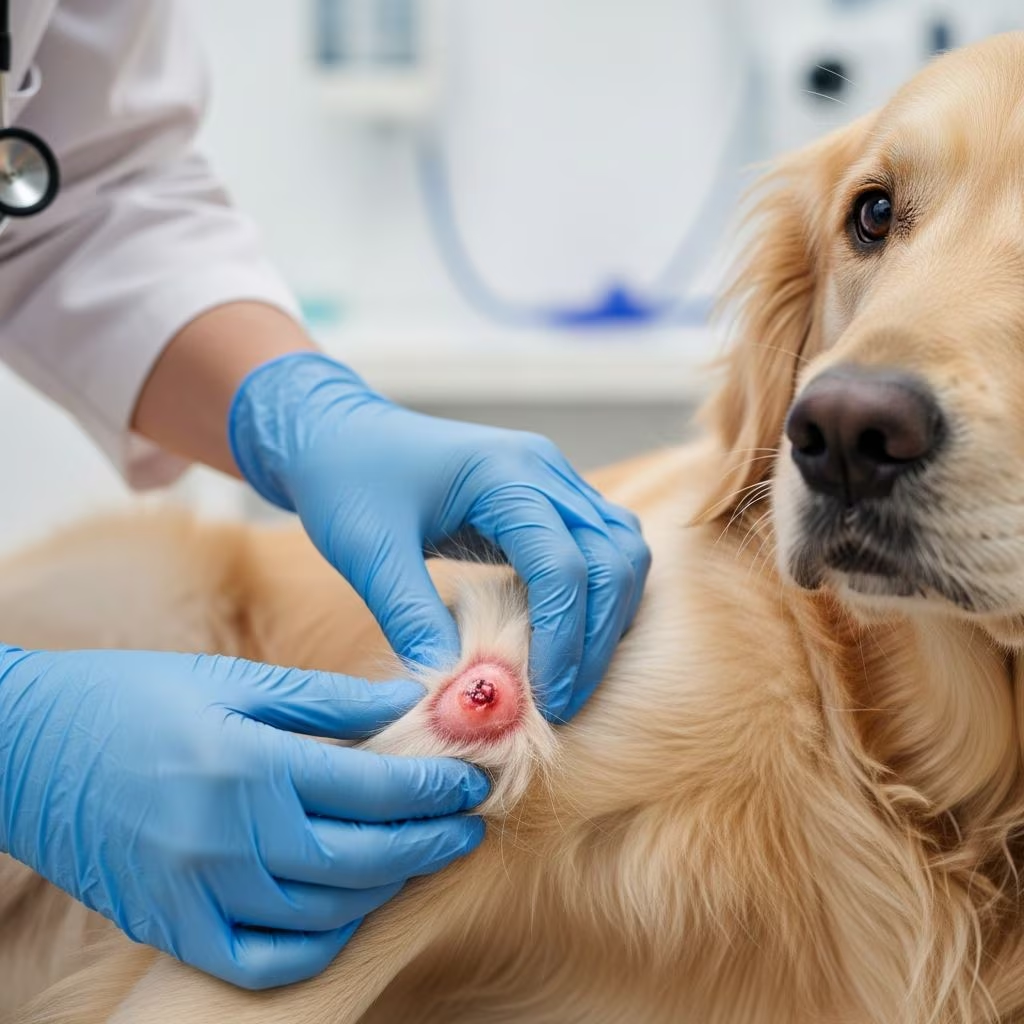
Hot spots, also known as acute moist dermatitis, represent one of the most common and distressing skin conditions affecting dogs and cats. These rapidly developing lesions appear as red, moist, and inflamed patches that can grow quickly if not addressed, causing significant discomfort to pets. Pet owners often notice them during warm weather or after incidents like swimming, but they can emerge year-round. Understanding their nature allows for prompt intervention, reducing suffering and preventing complications like secondary infections.
Recognizing the Signs of Hot Spots
Early detection is crucial since hot spots can expand from a small irritated area to a large, oozing wound within hours. Key indicators include:
- A warm, moist, red area on the skin, often on the head, hips, or limbs.
- Intense itching or pain, leading to excessive licking, chewing, or scratching.
- Hair loss around the lesion, with matted fur from saliva and moisture.
- Foul odor if bacterial infection sets in.
- Swelling and possible pus formation in advanced cases.
These symptoms mimic human skin issues like heat rash, where blocked sweat ducts cause itchy red spots, but in pets, the primary driver is often behavioral self-trauma rather than sweat blockage.
Primary Triggers Behind Hot Spots
Hot spots rarely arise in isolation; they stem from underlying issues that prompt pets to irritate their skin. Common triggers include:
- Allergies: Food sensitivities, environmental pollen, or contact allergens provoke itching, leading to self-inflicted damage. Allergic dermatitis is the leading cause, similar to hives in humans from allergic reactions.
- Parasite Infestations: Fleas, ticks, or mites bite and irritate, sparking frantic grooming. Warm weather exacerbates flea activity, increasing risk.
- Wet Fur and Grooming Habits: After baths, swims, or rain, thick-coated breeds retain moisture, fostering bacterial growth and itchiness.
- Boredom or Stress: Anxious pets may lick compulsively, initiating lesions.
- Underlying Medical Conditions: Poor immune function or endocrine disorders like hypothyroidism heighten susceptibility.
Unlike human rashes from poison ivy or insect bites, pet hot spots often self-perpetuate through moisture from saliva, creating a vicious cycle of inflammation.
Step-by-Step Diagnosis Process
Veterinarians diagnose hot spots via physical examination, noting the lesion’s appearance and pet’s history. Additional steps may involve:
- Skin scrapings to rule out mites or fungal infections like tinea versicolor in humans, though rare in pets.
- Flea comb checks for parasites.
- Allergy testing or elimination diets for chronic cases.
- Cytology swabs to identify bacterial overgrowth, akin to pustules in allergic dermatitis.
Differentiating from conditions like psoriasis or petechiae in humans is straightforward, as pet hot spots are superficial and acute.
Effective Treatment Strategies
Treatment prioritizes stopping self-trauma, drying the area, controlling infection, and addressing root causes. A typical protocol includes:
| Step | Action | Purpose |
|---|---|---|
| 1. Clipping | Shave fur around and on the lesion | Exposes area for cleaning, prevents matting |
| 2. Cleaning | Flush with antiseptic like chlorhexidine | Removes debris, reduces bacteria |
| 3. Medication | Topical sprays, ointments, or oral antibiotics | Fights infection and inflammation |
| 4. Protection | E-collar (cone) or inflatable collar | Blocks licking and chewing |
| 5. Pain Relief | Anti-inflammatories or analgesics | Eases discomfort for healing |
For severe cases, vets may sedate pets for thorough cleaning. Avoid home remedies like human creams, as they can worsen issues—professional guidance is essential. Treatments mirror aspects of human rash care, such as cool compresses for hives, but are tailored for animal skin.
Home Care Tips During Recovery
Once under vet care, support healing at home:
- Keep the area dry using pet-safe powders or fans, similar to cornstarch for human heat rash.
- Bathe with medicated shampoos weekly.
- Monitor for recurrence and adhere to e-collar use.
- Provide distraction toys to curb stress licking.
Healing typically takes 7-14 days with compliance.
Preventing Future Hot Spot Episodes
Proactive measures reduce risks significantly:
- Parasite Control: Monthly flea preventives year-round.
- Skin Hygiene: Thorough drying after wetting, especially for water-loving breeds.
- Diet Management: Hypoallergenic foods for suspected sensitivities.
- Regular Vet Checkups: Early detection of allergies or imbalances.
- Environmental Tweaks: Low-allergen bedding and air filters.
Breeds like Golden Retrievers, Labs, and long-haired varieties are prone due to dense coats.
When to Seek Emergency Veterinary Help
Not all hot spots resolve routinely. Rush to the vet if:
- The lesion spreads rapidly or exceeds 2 inches.
- Your pet shows lethargy, fever, or appetite loss—signs of systemic infection.
- Bleeding, deep ulceration, or facial involvement occurs.
- No improvement after 48 hours of treatment.
Delay can lead to deeper infections requiring surgery.
FAQs on Pet Hot Spots
Q: Can cats get hot spots?
A: Yes, though less common than in dogs; triggers like flea allergies apply similarly.
Q: Are hot spots contagious?
A: No, they result from self-trauma, not direct transmission, unlike ringworm.
Q: How much does treatment cost?
A: Ranges from $100-$500 depending on severity and diagnostics.
Q: Can natural remedies work?
A: Limited evidence; consult vets before using aloe or oils to avoid irritation.
Q: Do hot spots indicate flea problems?
A: Often yes—check with a flea comb.
Long-Term Skin Health for Pets
Beyond hot spots, maintain skin vitality through balanced omega fatty acids, routine grooming, and prompt itch management. Chronic cases may need immunotherapy or dietary trials. Owners play a pivotal role in vigilance, turning potential crises into manageable issues. By integrating prevention into daily routines, pets enjoy itch-free comfort.
References
- Identifying 21 Common Red Spots on Skin — Universal Dermatology. Accessed 2026. https://universaldermatology.com/identifying-21-common-red-spots-on-skin/
- Heat rash – treatments and causes — Healthdirect (Australian Government). Accessed 2026. https://www.healthdirect.gov.au/heat-rash
- Skin rash: Causes, 71 pictures of symptoms, and treatments — Medical News Today. 2019-04-23. https://www.medicalnewstoday.com/articles/317999
- What To Do If Your Dog Has A Hot Spot: Causes & Treatments — Bulger Veterinary Hospital. Accessed 2026. https://www.bulgervet.com/blog/what-to-do-if-your-dog-has-a-hot-spot-causes-treatments
- Is It a Hot Spot? — Magnolia Veterinary Hospital. Accessed 2026. https://www.magnolia.vet/blog?article_id=is-it-a-hot-spot
- Hot spots — Cornell University College of Veterinary Medicine (.edu). Accessed 2026. https://www.vet.cornell.edu/departments-centers-and-institutes/riney-canine-health-center/canine-health-topics/hot-spots
- Everything you need to know about hot spots — Animal Humane Society. Accessed 2026. https://www.animalhumanesociety.org/resource/everything-you-need-know-about-hot-spots



