

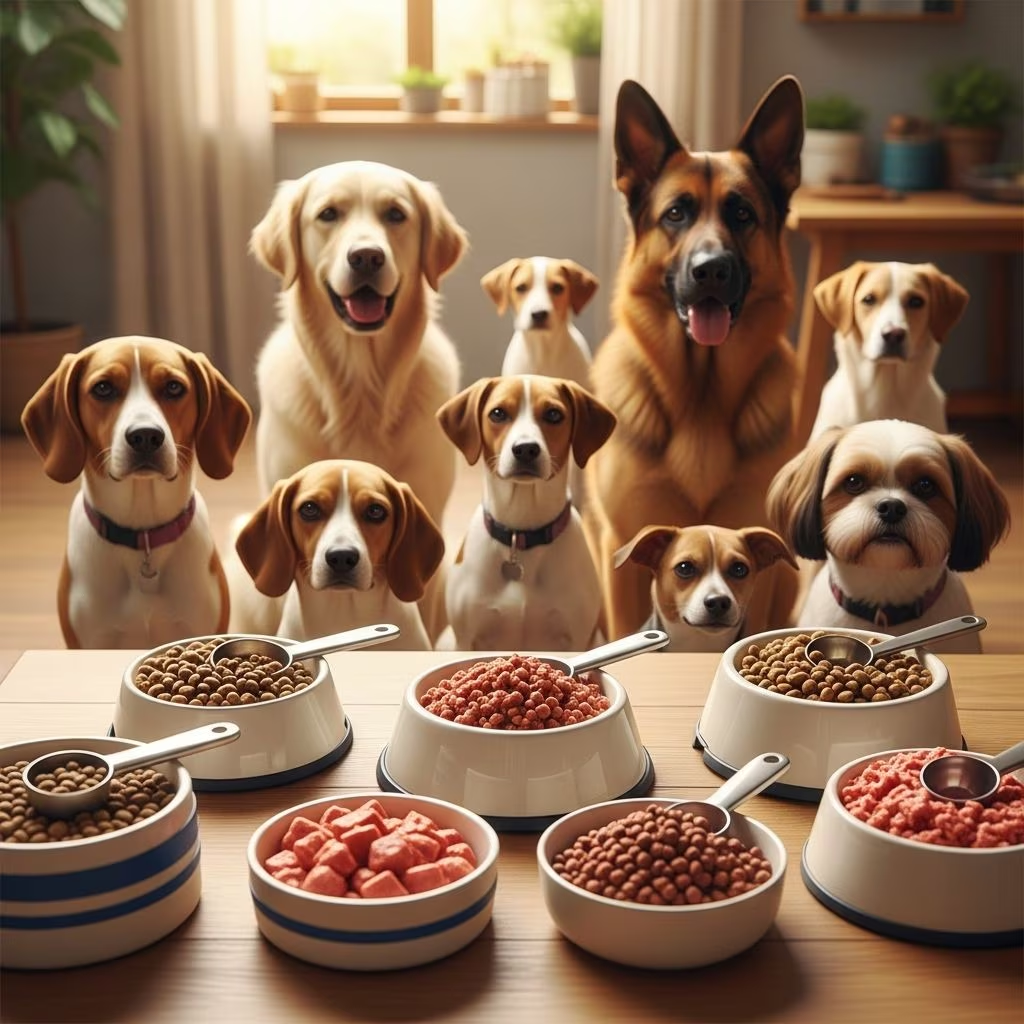
Caring for multiple dogs introduces unique challenges when it comes to mealtime management. Whether you have two dogs or an entire pack, ensuring that each receives appropriate nutrition while minimizing conflict requires thoughtful planning and consistent implementation. This guide explores practical strategies for successfully feeding multiple canine companions while maintaining their health and harmony within your household.
Understanding the Challenges of Multi-Dog Feeding
Households with multiple dogs face distinct feeding complications that single-dog owners rarely encounter. When several dogs share a living space, mealtimes can become sources of tension rather than nourishment. Competition for food, differences in eating pace, and varying nutritional requirements create a complex puzzle that demands strategic solutions.
The primary concern in multi-dog households is preventing resource guarding and food-related conflicts. Dogs may attempt to consume more than their fair share, intimidate slower eaters, or guard their bowls aggressively. Additionally, each dog may have different caloric needs based on age, size, activity level, and health status. Without proper management, some dogs may consume excessive amounts while others receive insufficient nutrition.
Creating Physical Separation During Mealtimes
The foundation of successful multi-dog feeding lies in establishing physical boundaries during meal periods. Providing each dog with their own designated eating space significantly reduces the likelihood of food theft and aggressive behavior.
Room-Based Feeding Strategies
The most straightforward approach is feeding dogs in completely separate rooms. This method eliminates any possibility of food competition and allows you to monitor each dog’s consumption independently. Simply close doors during mealtimes and allow each dog to eat undisturbed in their assigned space.
If your home layout doesn’t permit individual rooms, you can still create effective separation using physical barriers. Dog pens, exercise gates, or baby gates effectively divide the feeding area while allowing you to supervise the entire process from one location. These barriers prevent dogs from approaching each other’s bowls while keeping the activity visible and manageable.
Strategic Spacing and Barriers
When feeding dogs in the same room, maximize the distance between feeding stations. Placing bowls on opposite sides of the room or kitchen reduces the temptation for food stealing and gives each dog a sense of personal space during eating.
For dogs with particular food-focused tendencies, consider using crate feeding systems. Individual crates not only provide secure feeding spaces but also offer dogs their own comfortable retreat areas. Crate feeding naturally prevents access to other dogs’ food while creating a safe, familiar environment for each pet.
Establishing Consistent Feeding Schedules
Predictability plays a crucial role in reducing mealtime anxiety and conflict among multiple dogs. Consistent feeding schedules help dogs develop expectations about when food will be available, reducing tension and behavioral issues surrounding mealtimes.
The Problem with Free Feeding in Multi-Dog Homes
Leaving food available throughout the day works for single-dog households but creates significant problems in multi-dog environments. Free feeding often results in:
- Dominant dogs consuming excessive quantities while submissive dogs eat less
- Constant tension over shared food resources
- Difficulty monitoring individual intake and detecting health changes
- Increased obesity risk as dogs graze continuously
Synchronized Versus Staggered Feeding
Two primary scheduling approaches work effectively for multi-dog households, and the best choice depends on your specific situation.
Synchronized feeding involves feeding all dogs simultaneously in their designated spaces. This approach works well when dogs are calm and well-separated, creating a routine where all pets understand they eat at the same time. This method suits households where dogs have similar nutritional needs and eating speeds.
Staggered feeding means feeding dogs at different times, which benefits households where dogs have vastly different eating speeds, energy requirements, or special dietary needs. For example, feeding a slow-eating senior dog before a voracious younger dog prevents the younger dog from becoming frustrated waiting or attempting to steal food.
Building Routine for Behavioral Benefits
Feeding at consistent times each day provides psychological benefits beyond nutrition. Dogs learn to anticipate meals, reducing anxiety and begging behaviors. Regular feeding schedules also support proper digestion and energy regulation, contributing to overall health and contentment.
Addressing Individual Dietary Requirements
Dogs of different ages, sizes, and health statuses require tailored nutrition. Managing diverse dietary needs in a multi-dog household demands careful planning and ongoing attention.
Age-Related Nutritional Differences
Puppies and adult dogs have fundamentally different nutritional requirements. Puppies require significantly higher protein and caloric content to support growth and development. Adults need balanced maintenance nutrition.
When raising puppies alongside adult dogs, feed them separately with appropriate high-protein puppy formulas. Monitor mealtimes closely to prevent adult dogs from consuming the calorie-rich puppy food, which can lead to excessive weight gain in mature dogs. Always supervise to ensure puppies access their own food without being crowded or bullied by larger companions.
Size and Breed Considerations
Small breeds and large breeds have distinctly different portion requirements and feeding frequencies. Small dogs often thrive on smaller, more frequent meals, while large breeds benefit from controlled portions divided into two daily feedings to support healthy digestion and reduce bloating risk.
Consider breed-specific factors as well. Some breeds naturally eat faster or slower than others. Fast eaters may benefit from slow-feeder bowls that encourage eating at a more measured pace, while selective eaters might require puzzle feeders or varied food options to maintain adequate intake.
Health-Based Dietary Modifications
Senior dogs, those with medical conditions, and dogs with food sensitivities require specialized feeding approaches. Consult your veterinarian to determine each dog’s specific caloric requirements and nutritional needs. Some dogs may require therapeutic diets, elevated feeders for joint comfort, or specific meal timing related to medication administration.
Preventing Food-Related Aggression and Conflict
Food aggression represents one of the most challenging behavioral issues in multi-dog households. Addressing this problem requires patience, consistency, and sometimes professional guidance.
Early Prevention Strategies
The best approach to food aggression is prevention. Implementing physical separation and consistent routines from the start prevents resource-guarding behaviors from developing. Dogs that never experience competition for food are unlikely to develop aggressive feeding behaviors.
Portion Control and Measurement
Accurate portion sizing prevents overeating while ensuring each dog receives adequate nutrition. Use measuring cups rather than free-pouring to maintain consistency. Follow feeding guidelines on food packaging, adjusting for each dog’s individual characteristics and veterinary recommendations.
Portion control becomes especially important in multi-dog households where monitoring total food consumption presents challenges. When dogs eat in separate locations, you can easily track consumption and detect changes that might indicate health issues.
Rotating Feeding Locations
Periodically changing where dogs eat can reduce territorial aggression and possessive behaviors. This rotation helps desensitize dogs to specific feeding areas, preventing them from becoming territorial about particular spots or bowls.
Introducing New Dogs to Existing Feeding Routines
Adding a new dog to a household with established feeding patterns requires deliberate, gradual integration. Rushing this process risks creating tension and behavioral problems that persist long-term.
Initial Separation Phase
Begin by feeding new dogs completely separately from established pack members. This phase allows you to observe the new dog’s eating habits and assess whether food-guarding behaviors exist. Feed the new dog in isolation for a period of time, establishing their own routine and comfort level with their food and environment.
Gradual Proximity Increase
After the initial separation period, gradually bring feeding areas closer together over multiple weeks. Start with bowls at significant distances, then slowly reduce the gap as all dogs remain calm and focused on their own meals. This incremental approach builds trust and prevents triggering resource-guarding instincts.
Behavioral Monitoring
Throughout the integration process, closely supervise mealtimes. Watch for signs of tension, food guarding, or aggression. If any problematic behaviors emerge, return to more separated feeding and progress more slowly. Some dogs require extended separation periods before comfortable shared-space feeding is possible.
Implementing Advanced Feeding Solutions
Beyond basic separation and scheduling, several tools and techniques can enhance multi-dog feeding success.
Elevated Feeding Stations
Elevated bowls offer multiple advantages for multi-dog households. They reduce neck strain for large breeds and senior dogs, promote better posture during eating, and often discourage food-guarding behaviors by making the eating experience more comfortable.
Adjustable elevated feeding stations allow customization for different-sized dogs, ensuring each pet eats at an ergonomically appropriate height.
Interactive and Puzzle Feeders
Beyond basic nutrition, incorporating enrichment during mealtimes benefits multi-dog households. Interactive feeders and puzzle toys slow eating pace, engage cognitive abilities, and provide mental stimulation.
These tools prove particularly valuable for fast eaters, preventing them from consuming meals too quickly while allowing slower eaters to eat at their natural pace.
Health Monitoring in Multi-Dog Households
Feeding multiple dogs separately allows for better individual health monitoring. Track each dog’s appetite, food consumption, body condition, and any changes in eating behavior.
Changes in eating habits often signal underlying health issues. Dogs eating in separate spaces make it easier to notice when a specific dog’s consumption increases or decreases, prompting timely veterinary consultation when needed.
Creating Long-Term Mealtime Harmony
Successful multi-dog feeding is not achieved overnight but develops through consistent implementation of proven strategies. The effort invested in establishing proper feeding routines pays dividends in reduced conflict, better health outcomes, and improved overall household harmony.
The key to sustainable success involves viewing mealtime management as an ongoing process rather than a one-time setup. Regularly assess your current system, adjust as needed based on changing circumstances, and remain committed to consistent implementation.
Common Questions About Multi-Dog Feeding
Should I feed my multiple dogs at the same time or separately?
Feed dogs separately initially, establishing calm behavior patterns and individual nutritional management. Once stable routines are established, synchronized feeding in separate spaces works well for many households. Some dogs benefit from staggered timing if they have very different eating speeds or nutritional needs.
How can I prevent my dogs from stealing each other’s food?
Physical separation through barriers, crates, separate rooms, or significant spacing in the same room prevents food theft. Close supervision during meals allows you to intervene if dogs approach each other’s food.
What should I do if one dog shows food aggression?
Pause any shared feeding arrangements and consult a veterinarian or certified animal behaviorist. Food aggression requires professional guidance and should never be forced during integration. Maintain complete separation during meals while seeking expert help.
How do I measure portions accurately for multiple dogs?
Use measuring cups following the guidelines on your dog food packaging. Adjust portions based on each dog’s age, size, activity level, and veterinary recommendations. Regular portion assessment ensures each dog maintains healthy weight.
Can I feed different types of food to different dogs?
Yes, feeding different formulas to different dogs is not only possible but often necessary. Puppies need different nutrition than adults; senior dogs may need specialized formulas; dogs with allergies or health conditions may need therapeutic diets. Physical separation during feeding makes this management straightforward.
Moving Forward with Confidence
Feeding multiple dogs successfully requires patience, consistency, and attention to each individual’s needs. By implementing physical separation, establishing predictable routines, addressing specific dietary requirements, and monitoring for conflicts, you create an environment where all dogs receive proper nutrition while maintaining household peace. The strategies outlined in this guide provide a roadmap for managing this important aspect of multi-dog ownership, supporting both your dogs’ health and your family’s wellbeing.
References
- How to Feed Two Dogs at Once — Purina US. Accessed 2026-02-17. https://www.purina.com/articles/dog/feeding/guides/how-to-feed-two-dogs-at-once
- How to Feed Multiple Dogs Without Stress or Food Fights — Lord Jameson. https://www.lordjameson.com/blogs/news/how-to-feed-multiple-dogs-without-stress-or-food-fights
- Tips for Feeding Multiple Dogs in a Multi-Pet Family — Kabo. https://kabo.co/blog/managing-mealtime-madness-tips-for-feeding-multiple-dogs-in-a-multi-pet-family
- Feeding Multiple Dogs: Choosing the Right Food — Nutrena Feeds. https://nutrenaworld.com/education/dogs-cats/feeding-multiple-dogs/
- A Guide to Feeding Multiple Pets in One Home — Paw Pantry. https://pawpantry.com.au/blogs/paw-journal/feeding-multiple-pets-at-home
- Feeding Tips for Multi-Pet Households — Open Farm. https://openfarmpet.com/blogs/news/multi-pet-household-feeding-tips
- How to Feed Multiple Pets Without Conflict — American Kennel Club (AKC). https://www.akc.org/expert-advice/nutrition/how-to-feed-multiple-pets-without-conflict/
- Tips for Managing a Multi-Dog Household — East Bay SPCA. https://eastbayspca.org/wp-content/uploads/2024/05/Multi-Dog-Household-Tips.pdf



