

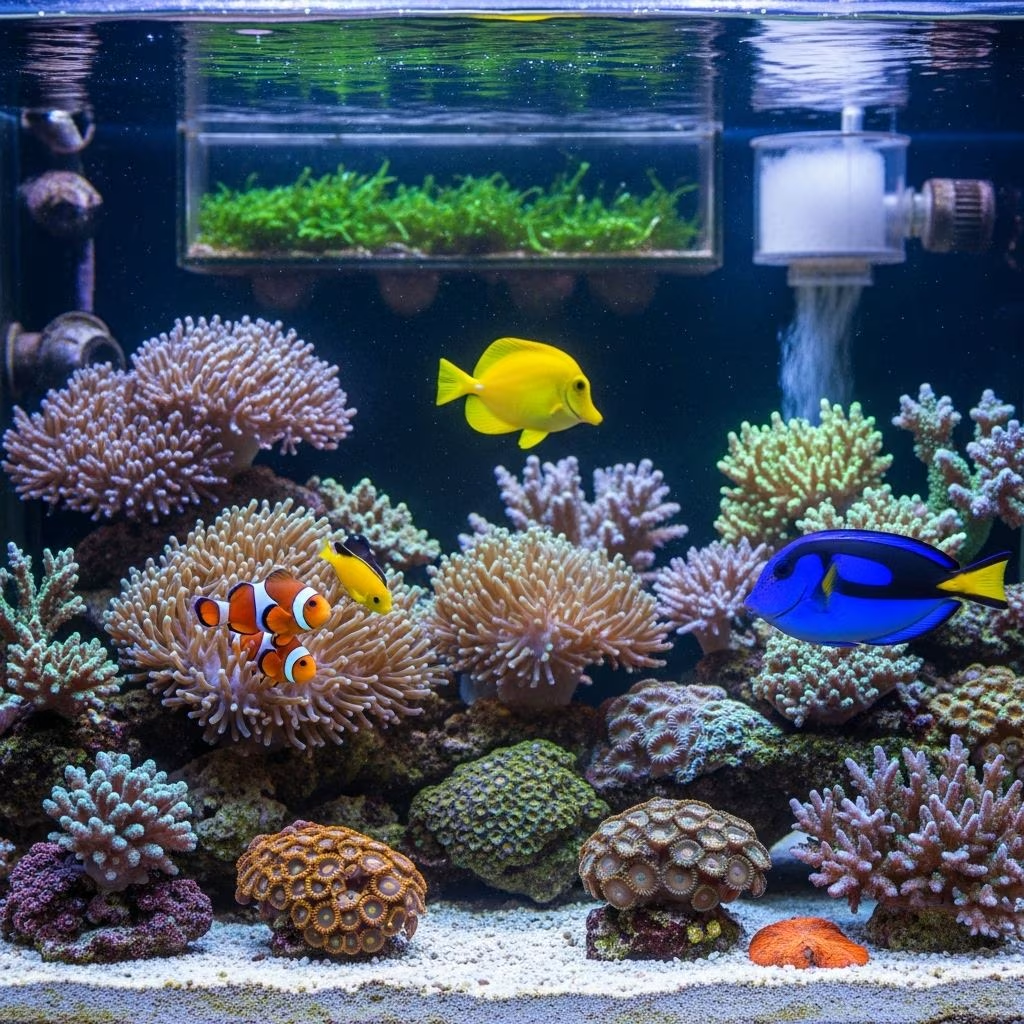
Saltwater aquariums demand precise water chemistry to support delicate marine inhabitants like fish, corals, and invertebrates. Among key parameters, nitrates stand out as a common challenge that can disrupt tank balance if not addressed. This comprehensive guide explores nitrate origins, consequences of excess levels, target concentrations for various systems, and practical reduction strategies to foster a stable, vibrant aquarium.
The Nitrogen Cycle: Foundation of Aquarium Water Chemistry
Every saltwater tank operates within the nitrogen cycle, a biological process converting waste into less harmful compounds. It starts with organic debris—such as fish excretions, surplus food, and decaying plant matter—decomposing into ammonia (NH₃/NH₄⁺). Toxic at high levels, ammonia is swiftly transformed by nitrifying bacteria into nitrite (NO₂⁻), still hazardous, and then into nitrate (NO₃⁻), the least toxic form.
In natural ocean reefs, constant water movement and dilution keep nitrates minimal, often under 5 ppm. Captive aquariums, however, trap these byproducts, leading to gradual accumulation without intervention. Understanding this cycle empowers aquarists to intervene effectively, preventing downstream issues.
Why Elevated Nitrates Harm Your Tank
While nitrates pose less immediate danger than ammonia or nitrite, chronic high levels trigger cascading problems. They act as a nutrient surplus, promoting imbalances that affect aesthetics, livestock health, and system stability.
- Algae Proliferation: Nitrates fertilize nuisance algae like hair algae, diatoms, and cyanobacteria, smothering rocks and decor while competing with corals for space and light.
- Coral Distress: Sensitive species experience tissue recession, bleaching, and halted skeletal growth due to osmotic stress and disrupted symbiosis with zooxanthellae algae.
- Fish Vulnerability: Prolonged exposure weakens immunity, shortens lifespan, and dulls colors, though hardy species tolerate more than invertebrates.
- Water Instability: High nitrates erode pH buffering, fostering acidic shifts from organic decay and cloudy water.
These effects compound over time, turning a promising reef into a struggling ecosystem. Regular testing reveals trends early, allowing proactive management.
Target Nitrate Levels for Optimal Tank Performance
Ideal nitrate concentrations vary by aquarium type, balancing livestock needs with stability. Lower is generally preferable, mimicking wild conditions.
| Aquarium Type | Recommended Nitrate Range (ppm) | Notes |
|---|---|---|
| Fish-Only | 10–40 | Tolerant species; prioritize lower end for longevity. |
| Mixed Reef | 2–7 | Supports diverse corals and fish. |
| LPS Corals | 3–10 | Hardier stony corals; monitor for algae. |
| SPS Corals | 0.01–5 | Ultra-low for fragile small polyp stony growth. |
Systems with macroalgae or refugiums may sustain slightly higher levels, as plants uptake nitrates. Test weekly using reliable kits, interpreting results against your bioload and filtration.
Root Causes of Nitrate Accumulation
Identifying sources prevents recurrence. Common culprits include:
- Overfeeding: Uneaten portions decay rapidly, spiking ammonia input.
- Overstocking: Excessive bioload overwhelms bacterial processing.
- Inadequate Filtration: Undersized or clogged systems fail to cycle waste fully.
- Substrate Issues: Deep sand beds harbor anaerobic zones where denitrification stalls, trapping nitrates.
- Neglected Maintenance: Infrequent water changes allow buildup.
Auditing these factors guides targeted fixes, enhancing overall efficiency.
Proven Strategies to Lower Nitrates
Effective control combines immediate reduction with long-term prevention. Start with testing to baseline levels, then layer methods.
Water Changes: The Cornerstone Method
Partial water changes dilute nitrates reliably. For levels above 60 ppm, exchange 25% daily until under 50 ppm, matching temperature and salinity to avoid shocking residents. This also restores buffers and trace elements. Larger 50% changes weekly maintain stability in mature tanks.
Enhance Biological Filtration
Boost nitrifying bacteria via live rock, ceramic media, or deep sand beds (1–2 inches for aerobic zones). Avoid over-reliance on bioballs, which export nitrates without removal. Refugiums with chaetomorpha algae provide natural uptake, exporting biomass weekly.
Chemical and Media Filtration
Resins like nitrate-specific absorbents bind NO₃⁻ effectively. Use cautiously to avoid carbon dosing pitfalls, such as bacterial slimes in low-flow areas. Pair with protein skimmers to export organics pre-cycle.
Feeding and Bioload Optimization
Feed sparingly—only what vanishes in 2 minutes—using high-quality, low-waste foods. Quarantine new additions to prevent hidden waste. Thin herds if stocking exceeds 1 inch fish per 5 gallons.
Advanced Techniques
Deep sand bed denitrification relies on anaerobic bacteria converting nitrates to nitrogen gas. Vodka or sugar dosing feeds heterotrophs but risks crashes; monitor closely. Macroalgae export via harvest sustains low levels in planted systems.
Dangers of Ultra-Low Nitrates
While high nitrates harm, starving systems below 1 ppm can starve corals’ symbiotic algae, causing poor coloration and growth. Balance nutrients; phosphates often correlate.
Monitoring and Prevention Best Practices
Weekly tests, logged trends, and 10–20% weekly changes form the routine. Automate dosing for stability, and clean filters monthly. Healthy tanks self-regulate better, rewarding diligence with resilience.
Frequently Asked Questions
What causes sudden nitrate spikes?
Overfeeding, dead organisms, or filter failures disrupt the cycle, demanding immediate testing and changes.
Are nitrates more toxic than nitrites?
No, nitrites bind hemoglobin, causing poisoning; nitrates stress chronically.
Can plants help control nitrates?
Yes, macroalgae like chaetomorpha thrive on them; harvest regularly for export.
How often should I change water?
10–25% weekly prevents buildup; adjust per tests.
What if nitrates won’t drop?
Check for hidden waste, upgrade filtration, or use resins temporarily.
References
- Nitrates in Saltwater Aquariums: Causes, Effects, and How to Control Them — Quantum Aqua. 2023. https://www.quantumaqua.com.au/nitrates-in-saltwater-aquariums-causes-effects-and-how-to-control-them/
- Understanding Nitrite in a Reef Tank: Causes, Effects, and Solutions — Charterhouse Aquatics. 2024. https://charterhouse-aquatics.com/blogs/help-guides/understanding-nitrite-in-a-reef-tank-causes-effects-and-solutions
- Old Tank Syndrome – Rethink the Importance of Aquarium Maintenance — LiveAquaria. 2023. https://www.liveaquaria.com/article/214/?aid=214
- Nitrates 101: Dealing with them in YOUR Saltwater Tank! — Bulk Reef Supply (YouTube). 2022-10-15. https://www.youtube.com/watch?v=lWH9cAZPiZQ
- Getting Nitrates Under Control — Melev’s Reef. 2023. https://melevsreef.com/articles/getting-nitrates-under-control
- We Want Answers to Phosphate & Nitrate in Reef Tanks — Bulk Reef Supply. 2024. https://www.bulkreefsupply.com/content/post/pollution-food-nitrate-phosphate-52se
- Effects of Low Nitrates — Reef2Reef Forum. 2023. https://www.reef2reef.com/threads/effects-of-low-nitrates.1020752/



