

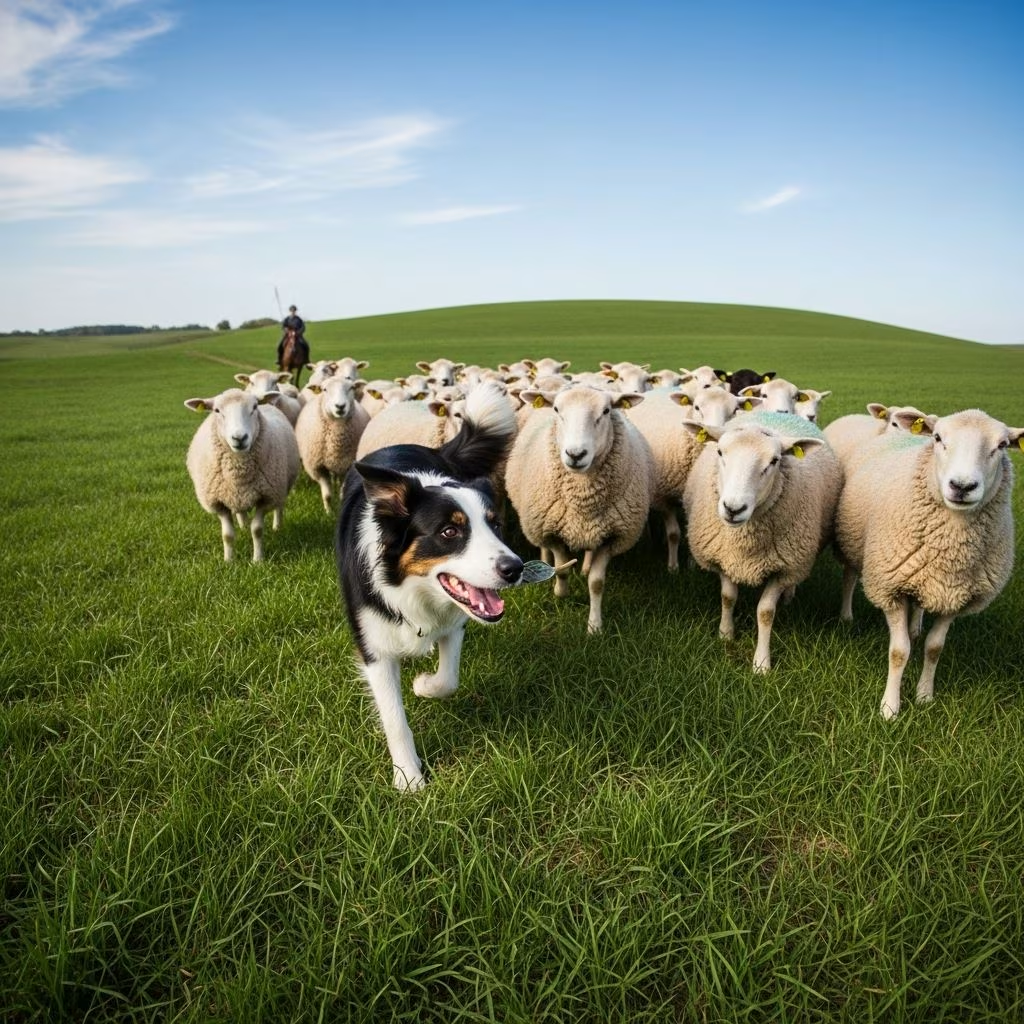
Herding dogs such as Border Collies, Australian Shepherds, and German Shepherds possess remarkable intelligence and drive, qualities that excel in livestock work but often lead to nipping at heels or ankles in household settings. This behavior stems from their bred-in instinct to control movement, which can be redirected through consistent training, ample exercise, and mental engagement to foster well-behaved companions.
The Natural Drive Behind Herding Behaviors
Herding breeds evolved to manage livestock by circling, staring, and nipping to guide animals without causing harm. In modern homes, this translates to chasing family members, pets, or vehicles, with nipping serving as a gentle prompt to alter direction. Recognizing this as an innate trait rather than defiance is crucial for effective intervention.
These dogs exhibit signs like intense staring (eyeing), body lowering into a stalk, circling movements, and quick nips followed by release. Such actions mimic field work where minimal contact suffices to redirect stock, minimizing injury while asserting control.
Common Triggers for Nipping Incidents
Several factors provoke nipping in herding dogs. Insufficient physical exercise leaves them with surplus energy, prompting instinctive outlets like heel-nipping during play or walks. Boredom exacerbates this, as their sharp minds crave stimulation absent in sedentary routines.
- Over-excitement: High-energy play sessions with running children or adults mimic prey movement, triggering pursuit.
- Boredom and under-stimulation: Without tasks, they invent their own, often targeting ankles.
- Lack of training: Unmet needs for structure lead to attention-seeking via nips.
- Environmental chaos: Sudden movements in busy households amplify their chaos-averse nature.
Food-related nipping may occur if resource guarding emerges, while dental discomfort from misaligned teeth can contribute, though instinct remains primary.
Distinguishing Instinctual Nipping from Aggression
Not all nipping signals aggression; herding nips are typically quick grips with front teeth, releasing immediately to allow response. Aggressive bites involve deeper holds, growling, or tension, often rooted in fear or frustration.
| Aspect | Herding Nip | Aggressive Bite |
|---|---|---|
| Mouth Contact | Light graze, quick release | Firm hold, shaking |
| Body Language | Playful stalk, intense gaze | Rigid posture, ears back |
| Trigger | Movement control | Fear, pain, guarding |
| Aftermath | Continued circling | Retreat or escalation |
Observe context: herding nips target motion, while true bites defend resources. Misinterpreting can worsen issues via punishment, which heightens anxiety.
Essential Foundations: Exercise and Enrichment
Meeting physical needs prevents nipping escalation. Herding dogs require 60-90 minutes of vigorous daily activity, such as fetch, agility drills, or herding trials.
Mental enrichment matches their intellect: puzzle toys, scent work, and obedience challenges tire them cognitively, reducing mischief. Herding-specific outlets like treibball (rolling exercise balls) or penning toys channel instincts productively.
- Incorporate flirt poles for controlled chasing.
- Use tug games with strict rules to teach bite inhibition.
- Rotate toys to combat boredom.
Proven Training Techniques to Curb Nipping
Positive reinforcement trumps punishment, building trust while extinguishing habits. Begin with impulse control exercises like “sit” or “leave it” to interrupt nips.
Redirection Method: When nipping starts, freeze movement and offer a toy. Reward engagement, ignoring the dog until calm. Resume play only on cue.
Timeout Protocol: Leash-drag indoors; at nip onset, calmly lead to a quiet area for 30-60 seconds. Return without fanfare, repeating to associate nipping with isolation.
Desensitization: Gradually expose to triggers at low intensity, rewarding calm. For child-chasing, practice controlled games where adults jog briefly, rewarding heel position.
Socialization Strategies for Lasting Results
Early, broad socialization from puppyhood exposes herding dogs to diverse stimuli, tempering instincts. Enroll in puppy classes, arrange playdates, and visit varied locales to build confidence.
For adults, controlled interactions prevent reinforcement of bad habits. Supervise child encounters, teaching kids to stand still like “trees” during episodes, denying chase gratification.
Advanced Outlets for Instinct Satisfaction
Fully curbing herding drive risks frustration; instead, provide sanctioned outlets. Stockwork with livestock (if feasible), flyball, or disc dog sports harness energy constructively.
Home alternatives include herding balls or DIY setups with cones for navigation tasks. Professional herding instinct tests confirm drive intensity, guiding activity selection.
Addressing Nipping in Multi-Pet or Family Homes
In households with children or other animals, prevention is key. Train family-wide rules: no running near the dog, consistent cues, and supervised interactions.
For inter-dog nipping, separate during high-energy times, using barriers or crates for cool-downs. Gradually reintroduce with parallel walks building tolerance.
Nutrition, Health, and Professional Help
Rule out medical causes like teething or oral pain via vet checks. Balanced diets support energy regulation; avoid high-sugar treats fueling hyperactivity.
If progress stalls, consult certified trainers specializing in herding breeds or veterinary behaviorists. Consistency across handlers ensures success.
FAQs
Why do herding dogs nip at heels?
They instinctively control movement, replicating livestock herding where nips guide without harm.
At what age does nipping peak?
Often during adolescence (6-18 months), as energy surges and instincts mature.
Can all herding dogs be trained out of nipping?
Yes, with dedication; intensity varies by genetics and early intervention.
Is punishment effective?
No; it increases fear, worsening behavior. Use rewards instead.
How much exercise is enough?
At least 1-2 hours daily, split into intense sessions plus mental work.
Long-Term Success Tips
Track progress in a journal, adjusting as needed. Celebrate milestones with herding-appropriate rewards. Patient, unified efforts transform nippy herders into model pets.
References
- Herding Dog Behavior: Strategies to Curb Nipping — Collieball. 2023. https://www.collieball.com/blog/are-herding-dogs-nippy-effective-strategies-to-curb-their-behavior
- Herding Breeds: Common Behavior Problems and Solutions — Every Dog Austin. 2024. https://www.everydogaustin.org/post/herding-breeds-common-behavior-problems-and-solutions
- What To Do About Dog Biting And Nipping Due To Herding Instinct — South Texas Aussie Rescue. 2022. https://www.southtexasaussierescue.org/what-to-do-about-dog-biting-and-nipping-due-to-herding-instinct/
- The Connection Between Herding Dogs and Biting — Empire Ridge Ranch. 2023. https://www.empireridgeranch.com/post/the-connection-between-herding-dogs-and-biting
- Stop Nipping — Whole Dog Journal. 2024. https://www.whole-dog-journal.com/training/stop-nipping/



