

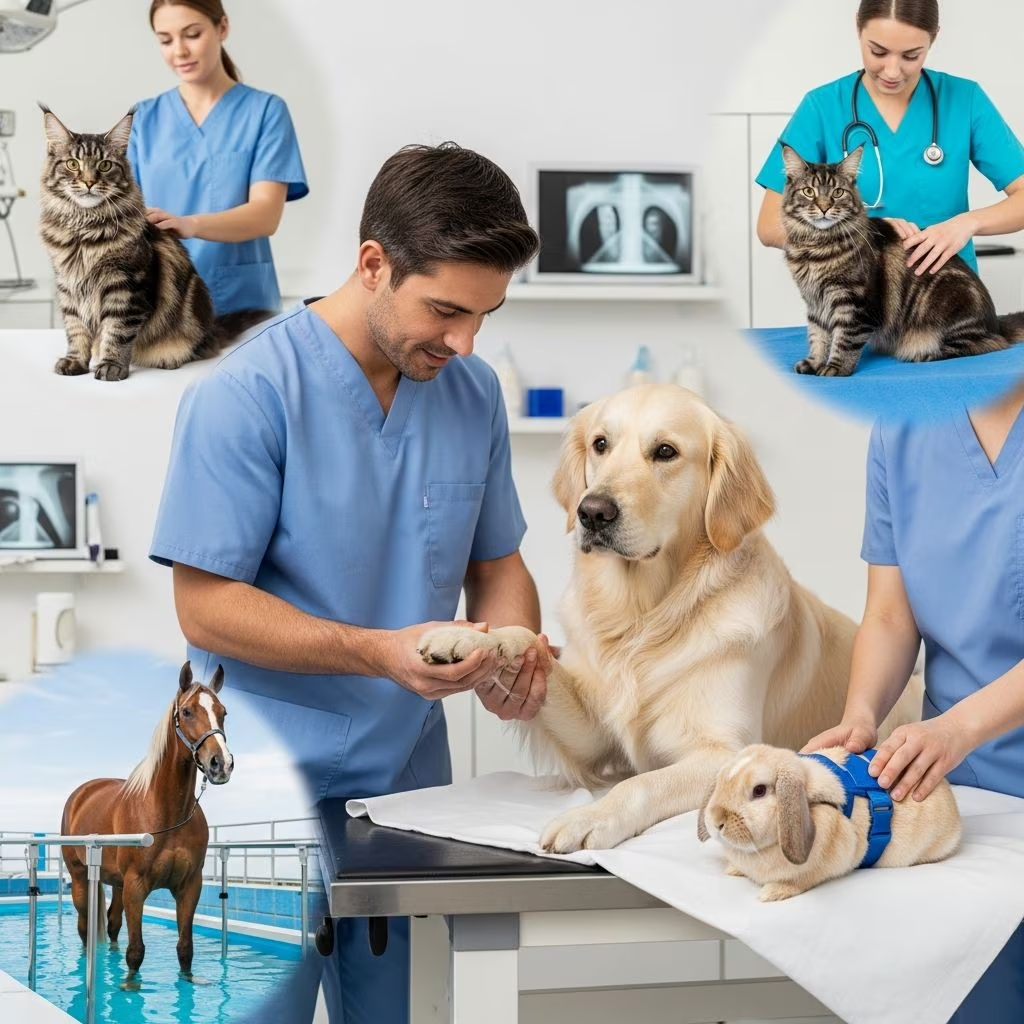
Musculoskeletal disorders affect the bones, muscles, joints, and connective tissues in animals, leading to pain, lameness, and reduced quality of life. These conditions are prevalent in dogs, horses, and other species, often resulting from trauma, overuse, aging, or congenital factors. Early detection through thorough examinations and advanced diagnostics is crucial for effective intervention, enabling veterinarians to tailor treatments that restore function and prevent progression.
Understanding the Scope of Musculoskeletal Problems
Animals experience a range of musculoskeletal challenges, from acute injuries like fractures to chronic issues such as osteoarthritis or tendonitis. In dogs, common problems include shoulder instability and tendinopathies, while horses frequently suffer from back pain, ligament strains, and joint stiffness due to athletic demands. These disorders impair mobility, performance, and overall well-being, necessitating a multifaceted approach to care.
Symptoms often manifest as limping, reluctance to move, swelling, or changes in gait. In performance animals like equine athletes, subtle signs such as reduced stride length or asymmetry may indicate underlying issues. Recognizing these early allows for conservative management before severe damage occurs.
Step-by-Step Diagnostic Approaches
Diagnosis begins with a detailed history, including recent activities, diet changes, or trauma. A comprehensive physical exam follows, evaluating gait at rest and in motion, palpating for heat, swelling, or pain, and assessing joint range of motion.
- Orthopedic Examination: Checks muscle condition, joint stability, and limb alignment.
- Hoof and Foot Assessment: Essential for horses to detect imbalances or solar issues.
- Neurologic Differentiation: Distinguishes musculoskeletal from nerve-related lameness through reflex tests and coordination checks.
Imaging plays a pivotal role. Radiographs reveal bone fractures, joint degeneration, or alignment problems. Ultrasound, using probes like 7.5MHz linear for superficial structures or lower-frequency curvilinear for deeper tissues, visualizes soft tissues such as tendons and ligaments. Advanced tools like MRI or CT scans provide detailed views for complex cases.
Laboratory tests, including blood work, evaluate organ function and detect inflammation markers or nutritional deficiencies. Electromyography (EMG) assesses muscle innervation, aiding in myopathy diagnosis.
Conservative Treatment Options
Many conditions respond well to non-invasive therapies, prioritizing pain relief, inflammation reduction, and tissue healing. Rest and controlled activity modification form the foundation, often combined with medications like non-steroidal anti-inflammatories (NSAIDs).
Physical rehabilitation has gained prominence, offering tailored programs for various species.
| Therapy Type | Description | Benefits | Species Suitability |
|---|---|---|---|
| Laser Therapy (Class IV K-Laser) | Delivers light energy to tissues | Reduces pain, swelling, speeds healing | Dogs, Horses |
| Therapeutic Ultrasound | Deep heat application | Relieves spasms, improves flexibility | Dogs |
| Massage and Manual Therapy | Soft tissue manipulation | Decreases scar tissue, enhances circulation | All animals |
| Spinal Manipulation (Chiropractic) | Joint mobilization | Restores motion, alleviates back pain | Horses, Dogs |
| Hydrotherapy (Underwater Treadmill) | Low-impact exercise | Builds strength without concussion | Horses, Dogs |
These modalities, often multimodal, improve outcomes by addressing pain and promoting recovery without surgery.
Advanced and Regenerative Therapies
For persistent cases, regenerative medicine offers promising alternatives. Platelet-rich plasma (PRP) and stem cell injections harness the body’s healing potential to repair tendons, ligaments, and cartilage. These biologics stimulate tissue regeneration, particularly effective for osteoarthritis and soft tissue injuries.
Extracorporeal shock wave therapy (ESWT) applies acoustic waves to promote analgesia and vascularization, showing benefits for chronic back pain in horses. Electrical stimulation (TENS/NMES) targets muscle atrophy and pain, while cryotherapy and thermotherapy manage acute inflammation and chronic stiffness.
Studies indicate positive effects from mobilization techniques, such as osteopathic methods under sedation for equine cervical pain, though standardized protocols are needed for optimal dosing.
Surgical Interventions When Necessary
Surgery is reserved for severe or unresponsive cases, including fracture repairs, joint stabilizations, or debridement of infected tissues. In dogs with biceps tendon rupture or shoulder instability, arthroscopic procedures restore function after conservative measures fail. Equine surgeries address angular deformities or osteochondritis dissecans (OCD) lesions.
Post-operative care integrates rehabilitation to optimize recovery, with serial imaging monitoring progress.
Species-Specific Considerations
Dogs: Common Challenges and Solutions
Dogs prone to hip dysplasia, cruciate ligament tears, and intervertebral disc disease benefit from weight management, joint supplements, and rehab. Early screening via orthopedic exams and X-rays prevents progression.
Horses: Performance and Overuse Injuries
Athletic horses face suspensory ligament strains and navicular syndrome. Lameness exams, flexion tests, and diagnostics guide therapy, with physiotherapy and ESWT aiding return to work.
Prevention Strategies for Long-Term Health
Proactive measures reduce disorder incidence. Balanced nutrition corrects deficits, while regular exercise maintains muscle tone without overload. Routine veterinary checkups, including gait analysis and hoof care, enable early intervention.
- Gradual conditioning for working animals.
- Proper farriery and tack fitting in equines.
- Weight control and joint-protective diets in pets.
Alternative therapies like acupuncture complement conventional care, enhancing pain management.
FAQs
What are the first signs of musculoskeletal issues in my pet?
Limping, stiffness after rest, or reluctance to jump are common indicators. Consult a vet promptly for assessment.
Is physical therapy effective for older dogs?
Yes, it improves mobility, reduces pain, and enhances life quality through targeted exercises and modalities.
How does chiropractic care help horses?
It restores joint motion, alleviates neck/back pain, and boosts performance by addressing asymmetries.
When is surgery recommended for joint problems?
For instability, ruptures, or failed conservative treatments, surgery stabilizes and repairs damaged structures.
Can diet influence musculoskeletal health?
Absolutely; nutrients like omega-3s and glucosamine support joint health and reduce inflammation.
Emerging Trends in Veterinary Musculoskeletal Care
Research advances biomarkers for early detection and refines regenerative protocols. Multimodal rehab, integrating tech like EMG and AI-assisted gait analysis, promises personalized treatments. Veterinary teams emphasize holistic care, combining diagnostics, therapy, and owner education for sustained results.
Owners play a key role by monitoring animals and adhering to rehab plans. Collaboration with certified specialists ensures comprehensive management.
References
- How to prevent and treat musculoskeletal disease in your pet — Belle Mead Animal Hospital. 2023. https://bellemeadanimalhospital.com/blog/how-to-prevent-and-treat-musculoskeletal-disease-in-your-pet/
- Specialized Services & Surgeries for Sports Medicine — Tufts University Veterinary School. 2023. https://vet.tufts.edu/tufts-equine-center/specialty-services/sports-medicine-surgery/specialty-services
- Most Common Musculoskeletal Disorders in Dogs — Port Kennedy Veterinary. 2023. https://portkennedyvet.com.au/most-common-musculoskeletal-disorders-in-dogs/
- Distinguishing Musculoskeletal from Neurologic Disease — Clinician’s Brief. 2023. https://www.cliniciansbrief.com/article/distinguishing-musculoskeletal-neurologic-disease
- Musculoskeletal disorders: types, causes, diagnostics and treatment — Veterinary Times. 2023. https://www.vettimes.com/news/vets/equine/musculoskeletal-disorders-types-causes-diagnostics-and-treatment
- A Systematic Review of Musculoskeletal Mobilization and Manipulation — PMC (NCBI). 2021-10-13. https://pmc.ncbi.nlm.nih.gov/articles/PMC8532674/
- Overview of Musculoskeletal Disorders and Diseases in Dogs — MSD Veterinary Manual. 2023. https://www.msdvetmanual.com/dog-owners/bone-joint-and-muscle-disorders-of-dogs/overview-of-musculoskeletal-disorders-and-diseases-in-dogs



