

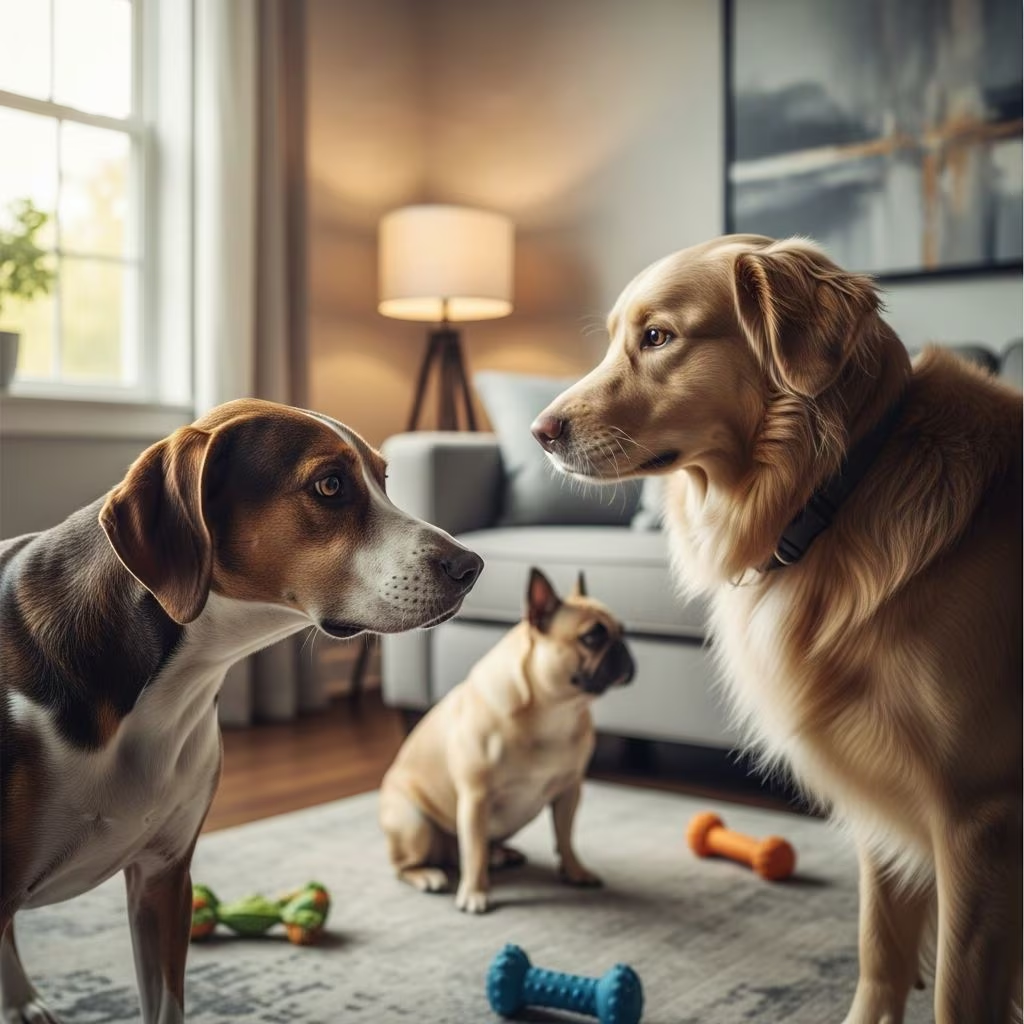
Households with multiple dogs present unique behavioral challenges that go beyond managing a single pet. When two or more dogs share the same living space, complex social hierarchies, resource competition, and territorial instincts can create tension that occasionally escalates into aggressive encounters. Unlike aggression directed toward humans or strangers, intra-pack conflict develops through a different set of psychological and environmental factors that owners must understand and actively manage. Recognizing these dynamics early and implementing preventive strategies can mean the difference between a harmonious multi-dog home and one plagued by constant conflict.
The Foundation: Understanding Pack Structure and Hierarchy
Dogs are inherently social animals with deeply ingrained pack instincts inherited from their wolf ancestors. Within any group of dogs, a natural hierarchy emerges that determines access to resources, resting spaces, and social privileges. This social structure serves a biological purpose—it reduces constant conflict by establishing clear rankings that all dogs understand and generally respect. However, problems arise when this hierarchy is unstable, unclear, or constantly being challenged by one or more members of the pack.
Genetic predisposition plays a significant role in how readily a dog will engage in pack-related aggression. Some dogs are naturally more assertive or have stronger territorial and dominance drives, while others are more submissive and conflict-averse. Additionally, early socialization experiences fundamentally shape how dogs interact within group settings. Dogs that receive inadequate socialization before six months of age may lack critical skills in reading canine body language and inhibiting bite force, making them more prone to serious conflicts as adults.
Recognizing the Multifaceted Causes of In-Home Dog Conflicts
Pack aggression rarely stems from a single cause. Instead, multiple overlapping factors typically contribute to behavioral problems:
Fear-Based Responses
Despite the perception that aggression represents dominance, fear actually represents the most common underlying cause of dog-to-dog conflict. When a dog feels threatened by another household member, it may respond defensively through aggressive displays. This is particularly true for dogs that have experienced previous negative interactions, have limited social experience, or perceive themselves as cornered or unable to escape. Dogs operating from a fear-based mindset may show tension, stiffness, or attempts to retreat, even before displaying overt aggression.
Resource Competition and Possession Aggression
One of the most commonly reported triggers for conflict among household dogs involves competition over valued resources. Dogs may guard food bowls, treats, bones, toys, sleeping areas, or even human attention. This behavior, known as resource guarding or possession aggression, can range from warning growls to serious biting or full attacks. The intensity often depends on how valuable the dog perceives the resource to be and how threatened it feels by the other dog’s proximity to it.
Predatory Instincts and Prey Drive
While prey drive is often misunderstood as true aggression, it represents a biological hunting instinct that can nevertheless result in serious harm to other household pets. Certain triggers—such as rapid movements, high-pitched sounds, or small animals—can activate this predatory response in susceptible dogs. Some dogs may redirect this energy toward smaller dogs in the household, creating dangerous situations even though the motivation differs from true dominance-based aggression.
Territorial Behaviors and Boundary Reactions
Dogs naturally develop territorial attachments to their living spaces, and conflicts frequently emerge around fence lines, doorways, and boundaries. When unfamiliar dogs pass by the property or guests arrive, household dogs may become highly aroused. If multiple dogs exist in the home, this heightened state can cause them to redirect their territorial frustration toward each other rather than the external stimulus.
Environmental and Emotional Triggers
External stimuli create emotional contagion effects among dogs sharing an environment. Barking at windows, doorbell ringing, or the arrival of visitors can elevate anxiety and arousal levels for all dogs present. When multiple dogs are simultaneously stimulated, tensions escalate rapidly and conflicts that wouldn’t occur in a calm household may suddenly emerge.
Early Warning Signs and Behavioral Indicators
Identifying conflict before it escalates to serious aggression requires understanding subtle warning signs. Owners should monitor for the following indicators:
- Stiff body posture or tension when dogs are near each other
- Direct, prolonged staring or hard eye contact between dogs
- Raised hackles or piloerection (raised fur along the back)
- Growling, snarling, or showing teeth without physical contact
- Blocking access to doorways, resources, or human family members
- Rapid escalation from play to conflict
- One dog consistently pursuing or cornering the other
- Changes in eating behavior, reluctance to eat near the other dog
- Displacement behaviors such as excessive licking or avoidance
Assessment and Professional Evaluation
When conflict exists between household dogs, veterinary and behavioral evaluation becomes essential. Medical conditions including pain, hormonal imbalances, neurological disorders, and infectious diseases can contribute to or exacerbate aggressive behavior. A veterinarian should first rule out underlying health issues before purely behavioral interventions are attempted. Once medical causes are excluded, consultation with a certified animal behaviorist provides the most effective pathway toward resolution.
Professional assessment typically includes:
- Detailed history of aggressive incidents, including timing and circumstances
- Analysis of each dog’s body language and social skills
- Identification of specific triggers and conflict patterns
- Evaluation of household management and owner responses
- Assessment of each dog’s individual temperament and socialization background
Practical Management Strategies for Multi-Dog Homes
Environmental Modification and Separation
The most immediate and often most effective intervention involves restructuring the physical environment to prevent opportunities for conflict. This may include:
- Feeding dogs in completely separate rooms with closed doors
- Providing individual sleeping areas away from each other
- Removing high-value toys or bones when dogs are together
- Using baby gates or crates to create visual separation when needed
- Establishing designated safe zones where each dog can retreat without fear
- Managing door and entrance situations to prevent resource competition for human attention
Establishing Predictable Routines
Dogs thrive with consistency and structure. Establishing predictable daily routines reduces uncertainty and helps dogs anticipate what will happen next. When feeding times, exercise schedules, and interaction patterns remain consistent, dogs develop confidence and anxiety decreases. This structured environment naturally reduces many triggers for conflict.
Individual Attention and Training
Each dog requires individual attention from owners separate from pack interactions. One-on-one training sessions, exercise, and playtime reduce competition for human resources and allow owners to address each dog’s specific behavioral needs. This individual focus also strengthens the human-dog bond and can improve overall behavior.
Exercise and Mental Stimulation
Adequate physical exercise and mental enrichment significantly reduce frustration-based aggression. Dogs with sufficient outlets for their energy and cognitive needs display fewer behavioral problems. Exercise also promotes positive interactions—many dogs bond during shared activities like walks or play sessions in neutral territory.
Controlled Socialization and Desensitization
Gradual exposure to triggering situations in controlled settings can help dogs develop tolerance and reduce reactive aggression. For example, dogs can practice remaining calm while separated by a barrier as they observe each other in neutral states. Over time, the barrier can be positioned further away or the duration extended, helping dogs build new associations with each other’s presence.
Intervention Techniques During Conflict
When conflict occurs despite preventive measures, safe intervention protects all household members. Effective techniques include:
- Redirection: Calling dogs’ attention away from each other using their names or commands they reliably know
- Environmental interruption: Creating a brief interruption such as turning off lights or closing a door without physically intervening
- Separation: Using crates, rooms, or barriers to separate dogs immediately when tension escalates
- Avoiding physical intervention: Never reaching between fighting dogs, as this risks serious human injury
- Maintaining calm demeanor: Owners should speak in low, calm voices; excessive emotion can amplify dogs’ arousal
The Role of Owner Behavior and Household Leadership
Owners profoundly influence pack dynamics through their own behavior. Consistency in rules, predictable responses to behavior, and maintaining a calm emotional state all contribute to stable household hierarchies. Owners should avoid inadvertently rewarding aggressive behavior through attention, and should instead reinforce calm, polite interactions between dogs. This doesn’t require strict dominance-based techniques; rather, it involves fair, consistent boundaries and clear communication about expectations.
When Separation May Be Necessary
Despite best efforts, some dog combinations prove incompatible. Severe aggression that results in injury, escalating conflict that shows no improvement despite intervention, or situations where dogs cannot safely coexist may require permanent separation or rehoming of one dog. This represents neither failure nor abnormality—it reflects responsible ownership and recognition that not all dogs can safely share a household.
Prevention in New Multi-Dog Situations
For owners considering adding another dog to their household, prevention begins before introduction. Selecting dogs with compatible temperaments, ensuring both dogs have solid individual training, and introducing them in neutral territory rather than established territory significantly improves outcomes. A slow integration process with carefully managed initial interactions sets the foundation for long-term cohabitation.
Key Takeaways for Success
- Pack aggression develops through complex interaction of genetics, environment, and socialization—not simply dominance or desire to harm
- Fear represents the most common underlying cause of dog-to-dog conflict, not dominance
- Identifying specific triggers allows targeted management and prevention
- Environmental modification and separated resources prevent many conflicts
- Professional behavioral consultation provides the best outcomes for serious aggression
- Owner consistency and calm leadership significantly influence household dynamics
- Not all dog combinations are compatible, and responsible management sometimes requires separation
Frequently Asked Questions
Why do some multi-dog households never experience conflict while others do?
Successful households typically feature dogs with naturally compatible temperaments, solid individual training, clear owner leadership, and proactive management. Dogs that receive adequate socialization, exercise, and mental stimulation, along with owners who prevent resource competition and maintain calm emotional states, show significantly fewer behavioral problems.
Is it true that one dog needs to be “dominant” to prevent conflict?
Modern behavioral science has moved away from dominance-based theories. Dogs naturally establish hierarchies, but this doesn’t require owners to enforce dominance. Instead, consistent rules, predictable routines, and fair leadership provide the structure dogs need.
Can medication help with pack aggression?
Medication may play a supportive role when underlying anxiety, fear, or medical conditions contribute to aggression. However, medication alone cannot resolve behavioral issues; it should accompany behavioral modification and environmental management.
How long does behavioral improvement typically take?
Timeline varies significantly based on aggression severity, underlying causes, and owner consistency. Some situations improve within weeks, while serious aggression may require months of consistent intervention before meaningful progress emerges.
References
- Pack Aggression in Dogs: A Serious Concern for Canine Households — K9 Mama. 2024. https://k9mama.com/k9alchemy/pack-aggression-in-dogs-a-serious-concern-for-canine-households
- 8 Reasons Your Dog Is Suddenly Aggressive (and How to Stop It) — GoodRx. 2024. https://www.goodrx.com/pet-health/dog/why-is-my-dog-always-aggressive
- Dealing with Your Dog’s Pack-Mentality Aggression — Dummies.com. 2024. https://www.dummies.com/article/home-auto-hobbies/pets/dogs/training/dealing-with-your-dogs-pack-mentality-aggression-199420/
- Dog Aggression Diagnosis and Overview — VCA Animal Hospitals. 2024. https://vcahospitals.com/know-your-pet/dog-behavior-problems-aggression-diagnosis-and-overview
- Understanding Pack Behavior in Pet Dogs — Leerburg. 2024. https://leerburg.com/pack_behavior.htm
- Dogs and Canines Behaviour – Aggression — RSPCA. 2024. https://www.rspca.org.uk/adviceandwelfare/pets/dogs/behaviour/aggression



