
Managing Lyme Disease in Companion Animals
Evidence-based approaches to treating Lyme borreliosis in dogs, cats, and horses.
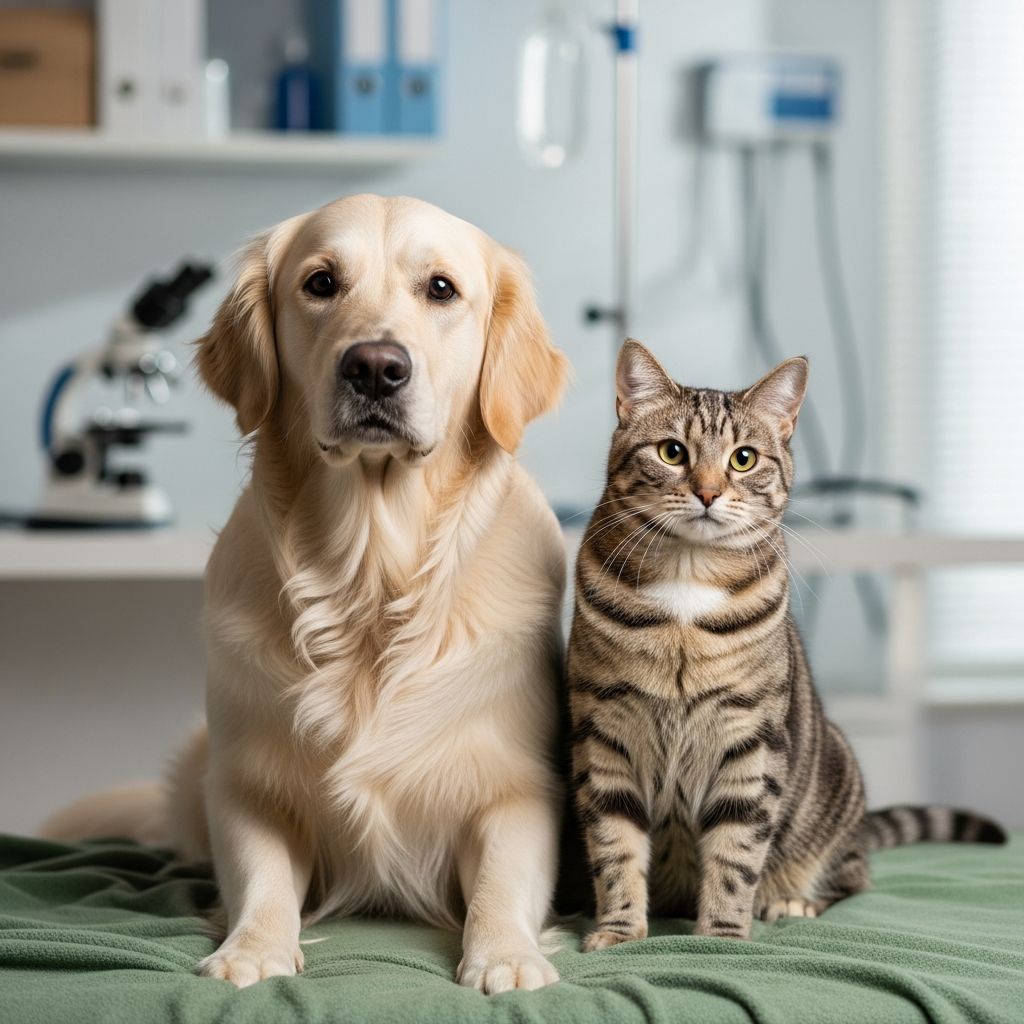
Lyme borreliosis, caused by the spirochete bacterium Borrelia burgdorferi, represents a significant infectious challenge in veterinary medicine. While many animals exposed to tick-borne transmission develop antibodies without clinical manifestation, those presenting with symptomatic disease require prompt and comprehensive therapeutic intervention. Understanding the nuances of treatment selection, duration, and adjunctive therapies is essential for veterinary practitioners managing affected companion animals.
Identifying Clinical Disease Requiring Treatment
The distinction between seropositive animals and clinically affected individuals forms the foundation of rational treatment decisions. Antibody presence alone does not automatically necessitate pharmaceutical intervention; rather, clinical signs attributable to Borrelia infection warrant therapeutic action. Veterinarians must correlate serological findings with observable symptoms, physical examination abnormalities, and laboratory evidence of organ involvement before initiating treatment protocols.
Animals presenting with clinical manifestations of Lyme borreliosis typically display joint-related lameness, systemic illness, or renal dysfunction. The presence of compatible clinical signs combined with positive serology and historical exposure to tick-endemic regions strengthens the diagnostic certainty and supports the decision to implement treatment.
Antimicrobial Selection and Dosing Protocols
Antibiotic therapy forms the cornerstone of Lyme borreliosis management in clinically affected animals. The extended nature of Borrelia infection, characterized by its ability to persist within host tissues, necessitates prolonged antimicrobial courses spanning four weeks or longer to achieve clinical resolution.
Primary Antibiotic Options for Dogs
Doxycycline represents the preferred first-line antimicrobial agent for canine Lyme borreliosis management. Administered at 10 milligrams per kilogram orally every 12 hours, doxycycline provides broad-spectrum coverage against Borrelia and frequently encountered co-infections transmitted by infected ticks. Dogs receiving appropriate doxycycline therapy typically demonstrate clinical improvement within one to three days, though some animals experience incomplete or transient symptom resolution.
The superiority of doxycycline over penicillin-based agents reflects the common occurrence of dual or multiple tick-borne infections in symptomatic animals. When doxycycline administration is contraindicated or poorly tolerated, amoxicillin at 20 milligrams per kilogram orally every eight hours provides an alternative tetracycline-sparing approach. Newer options include cefovecin, administered as two subcutaneous injections separated by 14 days, which demonstrates efficacy comparable to traditional four-week doxycycline or amoxicillin courses.
Antimicrobial Considerations in Equine Patients
Doxycycline and minocycline show documented success in horses affected by Lyme borreliosis. Doxycycline dosing parallels canine protocols at 10 milligrams per kilogram orally twice daily, while minocycline requires 4 milligrams per kilogram twice daily. Beta-lactam antibiotics, despite requiring parenteral administration and carrying toxicity risks, may be preferred when neuroborreliosis involves the nervous system.
Alternative Antibiotic Agents
When standard first-line agents prove unsuitable, veterinarians may consider additional antimicrobial options. Macrolide antibiotics including azithromycin, clarithromycin, and erythromycin offer oral alternatives, though longer treatment durations ranging from 10 to 30 days are frequently required. Injectable cephalosporins such as ceftriaxone and cefotaxime provide intravenous or subcutaneous options for patients unable to tolerate oral medications.
Organ System-Specific Supportive Interventions
Pain Management and Neurologic Symptoms
Animals experiencing Lyme-related musculoskeletal discomfort or neuropathic pain require targeted symptomatic therapy beyond antibiotic administration alone. Gabapentin emerges as the recommended agent for managing neuropathic pain associated with Lyme borreliosis. This approach proves superior to non-steroidal anti-inflammatory drugs (NSAIDs) in certain clinical contexts, particularly when immunosuppressive therapy may subsequently become necessary for managing infection-related autoimmune complications.
Renal Disease Management
Lyme nephritis, representing one of the most severe manifestations of borreliosis infection, requires comprehensive management extending beyond simple antibiosis. Animals exhibiting kidney failure potentially related to Borrelia infection benefit from supportive therapy addressing renal function while antimicrobial therapy targets the underlying bacterial infection.
Dogs with rapidly progressive glomerular disease may require immunosuppressive agents such as mycophenolate in conjunction with doxycycline therapy. The rationale for immunosuppression in this context involves blocking the autoimmune-mediated glomerular damage that perpetuates kidney dysfunction even as bacterial burden diminishes. Mycophenolate mofetil represents the first-line immunosuppressive choice, with optional short-term glucocorticoid addition for severely progressive cases. Renal biopsy, when feasible, guides immunosuppressive selection by confirming immune-complex-mediated disease.
Managing Treatment-Resistant Cases and Complications
Although most animals demonstrate rapid clinical improvement with appropriate antibiotic therapy, some patients experience incomplete response or transient symptom resolution. When lameness or joint involvement fails to improve substantially within the initial treatment phase, alternative diagnoses should be considered and investigated.
A subset of animals may remain seropositive despite successful clinical response to antimicrobial therapy. This serologic persistence does not indicate treatment failure but rather reflects the immune system’s continued antibody production following infection resolution. Distinguishing between persistent infection and residual seropositivity prevents unnecessary prolonged or escalated antimicrobial exposure.
Treatment Recommendations for Asymptomatic Animals
The management of asymptomatic, seropositive animals differs substantially from symptomatic disease protocols. Most animals with positive Borrelia serology remain clinically well and do not require antimicrobial treatment. However, these individuals warrant monitoring through proteinuria screening during the year following positive serology identification, as subclinical renal involvement may develop without obvious clinical signs.
This surveillance approach avoids unnecessary antibiotic exposure while maintaining vigilance for the insidious development of glomerular disease, which can progress silently before manifesting as clinically significant azotemia or protein loss.
Duration of Antimicrobial Therapy
Treatment duration represents a critical parameter in Lyme borreliosis management. Standard protocols recommend four weeks of continuous antimicrobial therapy for clinically affected animals. This extended duration reflects the bacterium’s unique biological characteristics, including its ability to establish deep tissue infections and relative resistance to antimicrobial eradication in brief treatment windows.
Some animals with complicated disease manifestations, particularly those with renal involvement, may require extended treatment beyond the standard four-week protocol. Veterinary judgment, informed by clinical response and laboratory parameters, guides decisions regarding treatment prolongation.
Immunosuppressive Therapy Considerations
When Lyme borreliosis triggers autoimmune-mediated disease manifestations, immunosuppression becomes therapeutically necessary beyond antibiotic administration. Mycophenolate serves as the preferred initial immunosuppressive agent, potentially combined with tapered glucocorticoids in rapidly progressive cases. Alternative immunosuppressives including azathioprine, cyclosporine, chlorambucil, and cyclophosphamide may be employed based on clinical response and individual patient tolerance.
The decision to implement immunosuppression should involve careful risk-benefit analysis, as these agents carry substantial side effects and require close monitoring. Renal biopsy confirmation of immune-mediated disease ideally precedes immunosuppressive initiation, though clinical urgency may necessitate empiric treatment in rapidly deteriorating patients.
Monitoring Treatment Response and Long-Term Outcomes
Veterinarians should establish clear parameters for assessing treatment efficacy. Lameness or arthralgia typically shows rapid improvement within one to three days of appropriate therapy initiation. Failure to demonstrate such improvement within this timeframe warrants reconsideration of the diagnosis and investigation of alternative or concurrent conditions.
For animals with glomerular disease, monitoring includes serial urinalysis and serum creatinine determination to document renal response to therapy. Some animals develop stable chronic kidney disease that requires ongoing management even after successful bacterial eradication and resolution of active inflammation.
Frequently Asked Questions
Do all tick-exposed dogs require Lyme disease treatment?
No. Only animals with clinical signs compatible with Lyme borreliosis require antimicrobial therapy. Many seropositive animals remain asymptomatic and do not need treatment, though proteinuria screening is advisable.
How quickly should animals respond to antibiotic therapy?
Most dogs with Lyme arthritis demonstrate substantial improvement within one to three days of doxycycline initiation. Lack of such response suggests alternative diagnoses or concurrent conditions requiring investigation.
Can animals reinfect after successful treatment?
Yes. Treatment eliminates existing infection but does not confer immunity against future tick exposure. Continued tick prevention measures remain essential in endemic regions.
Why do some animals remain seropositive after treatment?
Antibodies may persist for extended periods following successful bacterial eradication. Seropositivity alone does not indicate continued infection or treatment failure.
References
- Lyme Borreliosis in Animals — Merck Veterinary Manual. 2024. https://www.merckvetmanual.com/infectious-diseases/lyme-borreliosis/lyme-borreliosis-in-animals
- Diagnosis and Treatment of Lyme Borreliosis in Dogs — Today’s Veterinary Practice. 2024. https://todaysveterinarypractice.com/parasitology/lyme-borreliosis-in-dogs/
- ACVIM Consensus Update on Lyme Borreliosis in Dogs and Cats — NCBI/PMC. 2018. https://pmc.ncbi.nlm.nih.gov/articles/PMC5980284/
- Lyme Disease — American Veterinary Medical Association (AVMA). 2024. https://www.avma.org/resources-tools/pet-owners/petcare/lyme-disease-dogs
- Lyme Disease Treatment Guidelines — Companion Animal Parasite Council (CAPC). 2024. https://capcvet.org/guidelines/lyme-disease/
Similar Articles








Read full bio of medha deb


