
Managing Limping in Dogs at Home
Discover safe home remedies and essential steps to help your limping dog recover comfortably while knowing when to seek professional veterinary care.
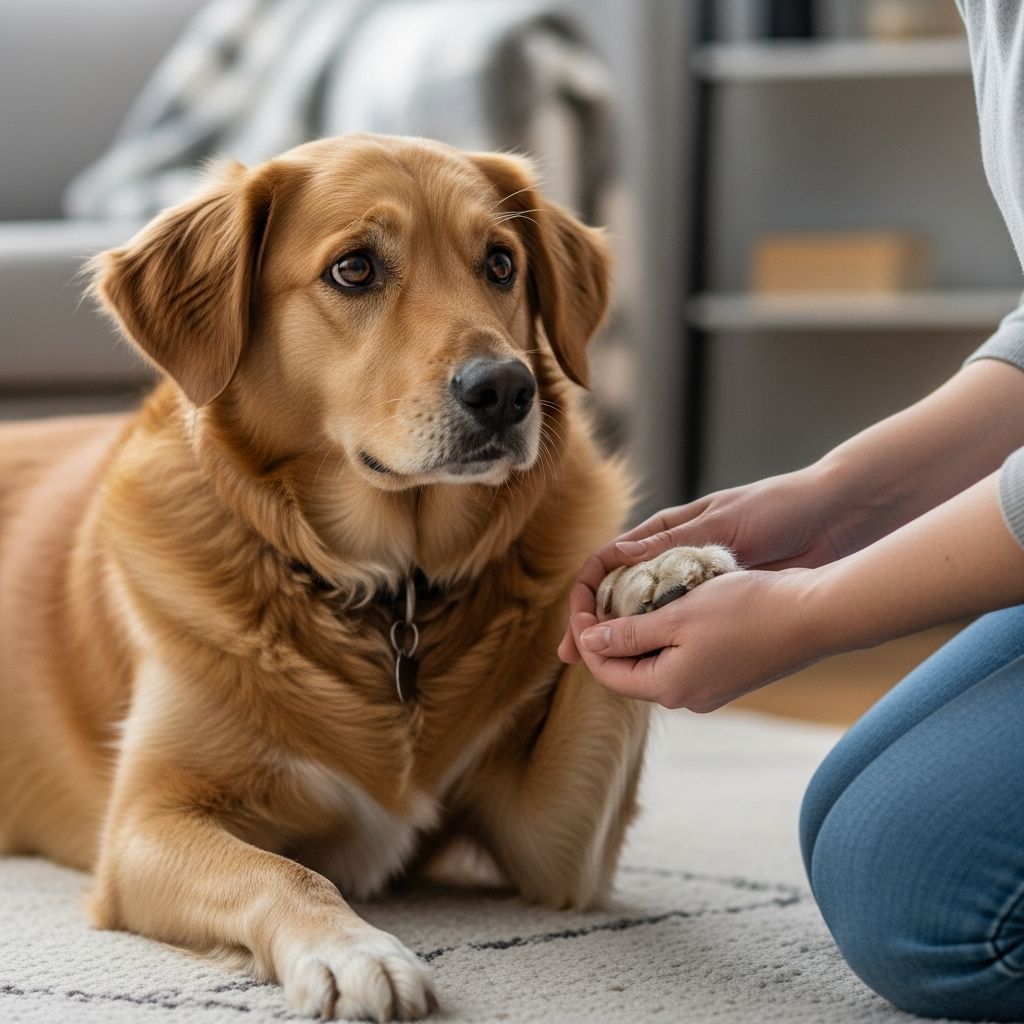
Observing your dog limp can be distressing, but many cases stem from minor issues that respond well to simple home interventions. Prompt assessment and basic care often alleviate discomfort without immediate professional help, though persistent symptoms demand veterinary evaluation.
Recognizing the Signs of Lameness in Canines
Limping, or lameness, appears as an abnormal gait where a dog favors one leg, hops, or avoids bearing weight on a limb. It may affect front or hind legs and vary in severity from subtle to pronounced. Watch for accompanying signs like swelling, whining, or reluctance to move, which signal pain levels.
- Sudden onset: Often linked to trauma or foreign objects.
- Gradual development: Typically indicates chronic conditions like joint degeneration.
- Intermittent limping: Common in growing pups or arthritic seniors.
Examine the affected limb gently for heat, cuts, or deformities. Note if the dog guards the area or shows behavioral changes like reduced appetite.
Primary Causes Behind Your Dog’s Limp
Dogs limp for diverse reasons, ranging from everyday mishaps to underlying health disorders. Understanding these helps tailor appropriate responses.
| Cause Category | Examples | Affected Dogs | Key Symptoms |
|---|---|---|---|
| Trauma | Sprains, fractures, paw injuries | All ages, active breeds | Sudden pain, swelling |
| Joint Issues | Hip dysplasia, patella luxation, CCL tears | Large breeds, small dogs | Stiffness, instability |
| Infections/Inflammation | Abscesses, Lyme disease | Outdoor explorers | Fever, lethargy |
| Developmental | OCD, panosteitis | Young large breeds | Growth pains |
| Degenerative | Osteoarthritis | Seniors | Worsens with activity |
Step-by-Step Home Assessment Protocol
Before intervening, perform a safe check-up. Isolate your dog in a quiet space and observe from afar first.
- Visual inspection: Look for obvious wounds, swelling, or foreign materials like thorns or stones in paws.
- Gentle palpation: Touch the limb starting from the paw upward, stopping if the dog reacts painfully. Check toes, nails, joints, and muscles.
- Flexion test: Carefully bend and extend the leg to pinpoint pain sources, avoiding force.
- Compare sides: Examine the opposite limb for baseline normalcy.
If no visible injury exists and the dog tolerates touch, minor issues like strains are likely. Document findings with photos for your vet.
Safe First Aid Measures for Mild Limping
For non-severe cases without open wounds or fractures, home care focuses on the RICE method: Rest, Ice, Compression, Elevation.
- Rest: Confine to a crate or small room for 24-48 hours, limiting stairs and play. Use leashes for potty breaks.
- Ice therapy: Apply a cold pack wrapped in cloth for 10-15 minutes, 3-4 times daily to curb swelling.
- Compression: Lightly wrap with an elastic bandage if swelling persists, ensuring it’s not too tight—check for circulation by pressing toes.
- Elevation: Position the dog so the limb is above heart level when possible.
Over-the-counter human pain meds are toxic to dogs; never administer without vet approval. Instead, maintain hydration and offer soft bedding.
Advanced Home Therapies to Consider
Beyond basics, supportive techniques can aid recovery under vet guidance.
Massage: Gentle circular strokes around (not on) painful areas promote circulation. Start with 5 minutes daily.
Heat alternation: After 48 hours of icing, switch to warm compresses to relax muscles.
Supplements: Omega-3 fatty acids or glucosamine may support joint health long-term, but consult dosing.
Laser therapy mimic: Low-level light devices for pets can reduce inflammation if available, though professional sessions are ideal.
Red Flags: When to Rush to the Vet
Not all limps resolve at home. Seek immediate care if:
- Limp lasts over 24-48 hours or worsens.
- Visible bone deformity, open wounds, or dragging leg.
- Multiple limbs affected or systemic signs like vomiting, fever, or swelling elsewhere.
- Non-weight bearing or yelping on touch.
- Puppy, senior, or chronic illness history.
Vets may use X-rays, blood tests, or ultrasounds for diagnosis, prescribing NSAIDs, antibiotics, or surgery as needed.
Preventing Future Episodes of Limping
Proactive steps minimize recurrence risks.
- Maintain ideal weight to ease joint stress.
- Provide joint-friendly ramps and orthopedic beds.
- Regular exercise on soft surfaces; avoid high-impact activities for at-risk breeds.
- Routine paw checks after walks, trimming nails monthly.
- Annual vet exams for early detection of dysplasia or arthritis.
Case Studies: Real-World Recovery Examples
Consider a young Labrador with sudden hind-limb limp from a CCL partial tear. Home rest and icing for two days allowed vet-confirmed conservative management with success.
A senior Chihuahua with patella issues benefited from weight reduction and supplements, restoring near-normal gait.
These highlight tailored approaches’ value.
FAQs on Dog Limping Home Care
Q: Can I give my dog aspirin for limping?
A: No, consult a vet for canine-safe alternatives like carprofen.
Q: How long before worrying about a limp?
A: Monitor 24 hours for mild cases; act sooner if severe.
Q: Is limping always painful?
A: Often yes, but neurological causes may not elicit obvious pain.
Q: What if my dog limps after surgery?
A: Follow post-op instructions; contact vet if unexpected.
Q: Are certain breeds more prone?
A: Yes, large breeds for hip issues, small for patella.
Long-Term Management for Chronic Limpers
For ongoing conditions like osteoarthritis, combine home care with professional therapies: hydrotherapy, acupuncture, or custom braces. Track progress in a journal, adjusting as needed.
Nutrition plays a key role—prescription joint diets reduce inflammation. Encourage low-impact play like swimming.
References
- The Limping Dog — Marlboro Animal Hospital. N/A. https://www.marlboroah.com/blog/the-limping-dog/
- Causes of Limping in Dogs and How to Treat — Bixby Animal Hospital. N/A. https://www.bixbyah.com/blog/1257885-causes-of-limping-in-dogs-and-how-to-treat
- Causes of Limping in Dogs & How to Treat Limping — Guilford Jamestown Vet. 2024-02-15. https://www.guilfordjamestownvet.com/site/blog-greensboro-vet/2024/02/15/dog-limping
- Why Is My Dog Limping? — PetMD. N/A. https://www.petmd.com/dog/symptoms/why-is-my-dog-limping
- Help, my dog is limping! What should I do? — SWFVS. 2024-08-31. https://www.swfvs.com/site/blog/2024/08/31/dog-limping
- Dog Limping Guide | When to Seek Emergency Vet Care — BluePearl Vet. N/A. https://bluepearlvet.com/hospital/irvine-ca/specialties-services/emergency-medicine/dog-limping/
Similar Articles








Read full bio of Sneha Tete




