
Managing Limb Pain In Pets: Veterinary Guide To Relief
Comprehensive strategies for alleviating lameness discomfort in dogs and cats through medications, therapies, and holistic care.
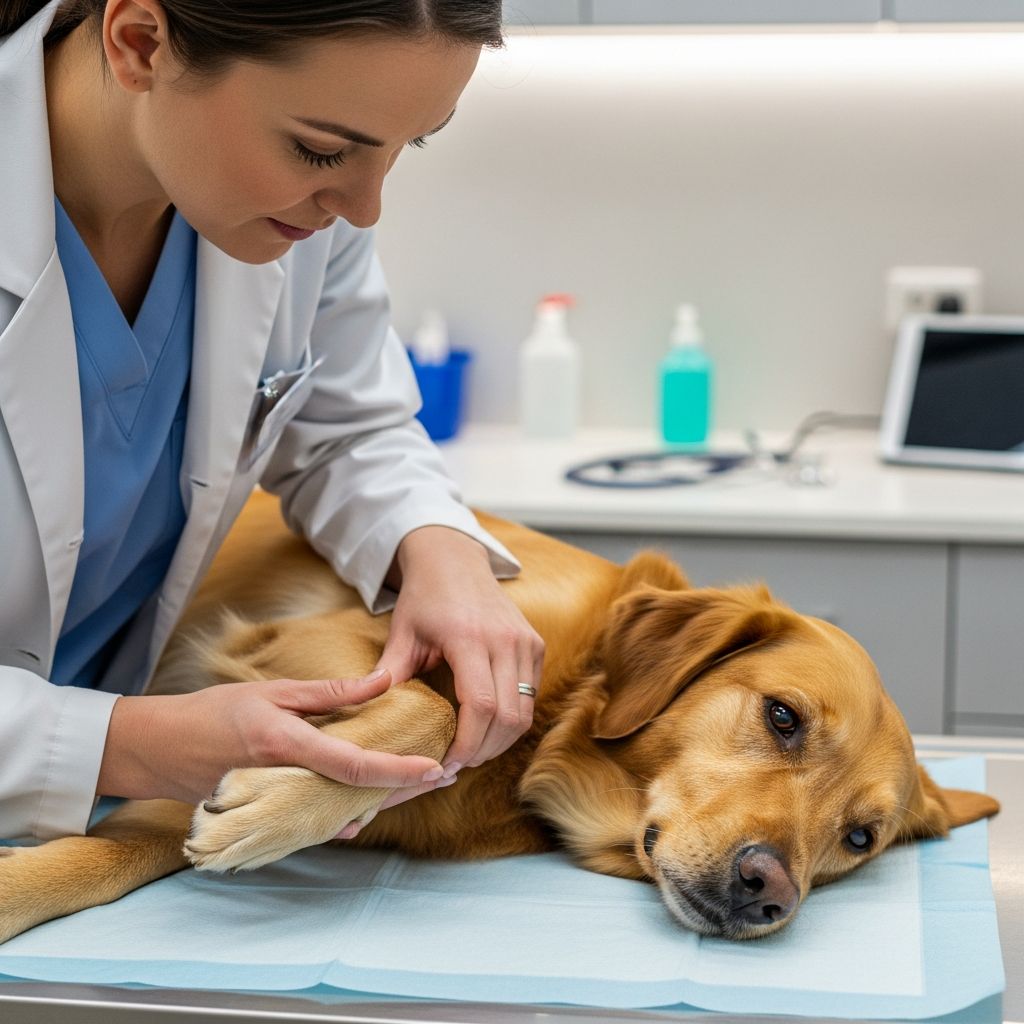
Lameness in small animals like dogs and cats often stems from musculoskeletal injuries, surgeries, or chronic conditions, leading to significant discomfort that affects daily life. Effective pain control not only improves welfare but also speeds recovery and prevents long-term issues. This article details pharmacological options, non-drug therapies, assessment methods, and supportive strategies tailored for veterinary practice.
Understanding Lameness and Its Impact
Lameness manifests as abnormal gait, reluctance to bear weight, or complete limb avoidance, signaling underlying pain from fractures, ligament tears, arthritis, or post-surgical inflammation. Pets mask pain instinctively, complicating detection, yet untreated discomfort can lead to muscle atrophy, behavioral changes, and reduced appetite. Early intervention using multimodal approaches—combining drugs, physical aids, and owner education—yields optimal outcomes.
Key Principles of Pain Relief
Successful management hinges on recognizing pain cues, selecting appropriate therapies, and monitoring response. Veterinary teams should adopt a team-based model involving vets, technicians, and owners for consistent care. Proactive strategies, like preemptive analgesia before surgery, minimize pain sensitization. Species-specific differences matter: cats require careful dosing due to metabolism variations, while dogs tolerate broader options.
Pharmacological Interventions
Medications form the cornerstone, targeting inflammation, nerve signals, and central pain perception. Always consider contraindications like renal disease or concurrent therapies.
Non-Steroidal Anti-Inflammatory Drugs (NSAIDs)
NSAIDs inhibit COX enzymes, reducing prostaglandin-mediated inflammation and pain. They are first-line for mild to moderate lameness.
| Drug | Dogs Dosage | Cats Dosage | Notes |
|---|---|---|---|
| Deracoxib | 1–2 mg/kg PO q24h; 3–4 mg/kg PO q24h max 7 days | Not approved | Post-op orthopedic use |
| Meloxicam | 0.1 mg/kg IV/SC/PO q24h | 0.1 mg/kg PO/IV/SC/IM q24h | Long-term arthritis |
| Firocoxib | 5 mg/kg PO q24h | Not approved | Chronic pain |
| Grapiprant | 2 mg/kg PO q24h | Not approved | Selective EP4 blocker |
| Ketoprofen | 1 mg/kg PO/IV/SC/IM q24h | 1 mg/kg PO/IV/SC/IM q24h | Short-term |
Use lowest effective dose; monitor for GI ulcers or kidney strain.
Opioid Analgesics
Opioids bind mu-receptors for potent relief in severe cases, often combined with NSAIDs. Common choices include:
- Morphine: 0.1 mg/kg IV/IM/SC q3-4h
- Hydromorphone: 0.1 mg/kg IV/IM/SC q2-4h
- Buprenorphine: 0.01–0.03 mg/kg IV/IM/SC q6-8h; transmucosal in cats
- Fentanyl patch: Transdermal, 3-5 days
- Tramadol: 5–10 mg/kg PO q8h (dogs)
Sustained-release buprenorphine offers single-injection relief: dogs 0.03–0.06 mg/kg SC, cats 0.12 mg/kg SC. Pair with sedatives like acepromazine for synergy.
Local and Regional Blocks
Targeted delivery enhances efficacy while minimizing systemic effects. Intra-articular bupivacaine or liposome suspensions (0.4 mL/kg) block joint pain pre- or post-op. Epidural morphine (0.1 mg/kg lumbosacral) aids hindlimb procedures. Loco-regional techniques like TAP blocks (0.2 mL/kg 0.25% bupivacaine) excel in abdominal-related lameness. Neuraxial methods reduce rescue analgesia needs in surgeries.
Adjunct Medications
- Gabapentin: 10 mg/kg PO q12h for neuropathic/chronic pain; modulates calcium channels.
- Alpha-2 Agonists: Dexmedetomidine for sedation-analgesia during exams.
- Corticosteroids: Prednisone 1–2 mg/kg PO q24h; avoid with NSAIDs.
Non-Pharmacologic Approaches
Integrate these to reduce drug reliance and promote healing.
Physical Rehabilitation
Therapies like laser, ultrasound, hydrotherapy, and therapeutic exercise restore function. Start post-acute phase to build strength without overload.
Alternative Therapies
- Acupuncture: Stimulates endorphins for chronic cases.
- Massage: Improves circulation, reduces muscle tension.
- Nutraceuticals: Omega-3s, PCSO-524 from green-lipped mussel match NSAID effects in some studies.
Environmental Modifications
Provide ramps, orthopedic beds, and low-impact exercise. Cats benefit from vertical spaces; dogs from weight management.
Pain Assessment Tools
Objective scales ensure accurate scoring. Use multi-faceted evaluation: behavior, posture, response to palpation.
| Scale | Species | Key Features |
|---|---|---|
| Canine Acute Pain Scale | Dogs | Visual analog, facial expression, posture |
| Feline Grimace Scale | Cats | Orbital tightening, ear position |
| Colorado State Scale | Dogs | Resting behavior, wound interaction |
Reassess q4-6h acutely; adjust plans dynamically. Algorithms in guidelines aid decision-making.
Species-Specific Considerations
Dogs
Larger breeds prone to orthopedic issues; favor oral NSAIDs long-term. Multimodal post-TPLO or fracture repair.
Cats
Subtle signs; prefer buprenorphine, robenacoxib (2 mg/kg SC q24h x3 days). Vertical enrichment key.
Owner Involvement and Long-Term Care
Educate on home monitoring, med administration, and signs warranting recheck. Chronic arthritis plans include weight control, joint supplements. Caregiver burden addressed via simple protocols.
Frequently Asked Questions (FAQs)
What are early signs of pain in lame pets?
Limping, trembling, vocalizing, appetite loss, or hiding.
Can I give human painkillers to my dog?
No; acetaminophen toxic. Consult vet for pet-safe options.
How long do opioid effects last?
2-8 hours typically; patches 3-5 days.
Is rehab necessary after surgery?
Yes, accelerates recovery, prevents stiffness.
What if NSAIDs upset my pet’s stomach?
Switch agents, add gastroprotectants, or use alternatives like gabapentin.
Conclusion
Holistic, evidence-based pain management transforms lameness outcomes for small animals, enhancing life quality through vigilant care.
References
- Pain Management in Small Animals with Lameness — Merck Veterinary Manual. 2023. https://www.merckvetmanual.com/musculoskeletal-system/lameness-in-small-animals/pain-management-in-small-animals-with-lameness
- Editorial: Pain assessment and management in small animals — PMC/NCBI. 2023-05-01. https://pmc.ncbi.nlm.nih.gov/articles/PMC10173411/
- AAHA updates guidelines on pain management in dogs and cats — AVMA. 2022-06. https://www.avma.org/news/aaha-updates-guidelines-pain-management-dogs-and-cats
- 2022 AAHA Pain Management Guidelines for Dogs and Cats — AAHA. 2022-06-06. https://www.aaha.org/wp-content/uploads/2022/02/2022-aaha-pain-management-guidelines-for-dog-and-cats_updated_060622.pdf
- Canine Pain Scale — Colorado State University Veterinary Teaching Hospital. 2020. https://vetmedbiosci.colostate.edu/vth/wp-content/uploads/sites/7/2020/12/canine-pain-scale.pdf
Similar Articles








Read full bio of medha deb


