
Managing Kitten Biting and Scratching
Discover effective strategies to curb your kitten's natural biting and scratching instincts for a harmonious home.
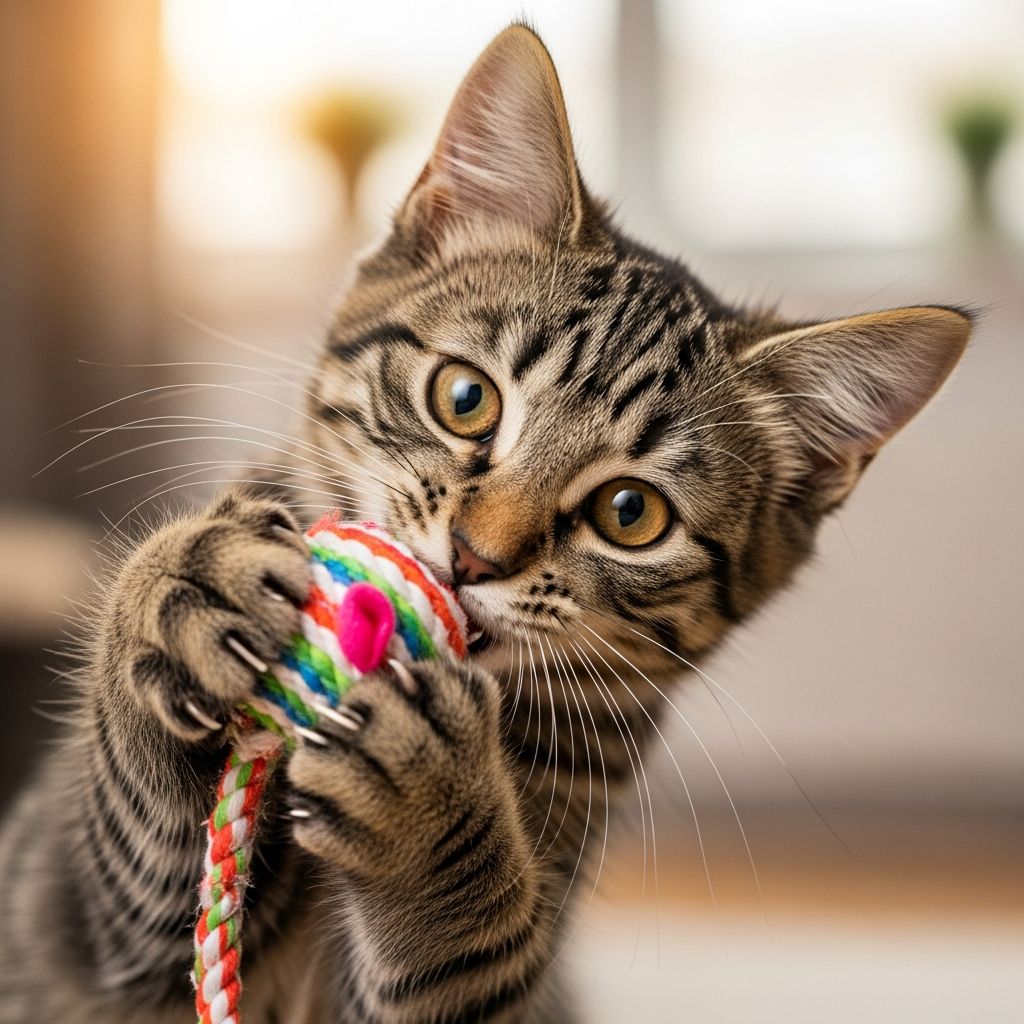
Kittens naturally bite and scratch as part of their development, mimicking hunting instincts through play. Proper management prevents these behaviors from becoming problematic habits in adulthood.
Understanding the Instincts Behind Kitten Play
From as early as three weeks old, kittens engage in biting and scratching to hone their predatory skills. This play peaks between 9 and 16 weeks, driven by the need to explore, socialize, and practice survival techniques. Without littermates, single kittens may exhibit intensified aggression around five months, lacking natural bite inhibition learned from siblings.
These actions serve multiple purposes: testing textures with their mouths since they lack hands, responding to discomfort from illness or injury, or seeking attention through reactive play. Recognizing these as normal helps owners respond appropriately rather than reinforcing unwanted patterns.
Key Causes of Biting and Scratching in Young Cats
Several factors contribute to these behaviors, ranging from biological drives to environmental influences.
- Exploratory Mouthing: Kittens use teeth to investigate their surroundings, reacting to movement or sound, which can inadvertently target human skin.
- Overstimulation During Interaction: Extended petting sessions lead to sudden bites when cats reach their tolerance limit, signaled by tail flicking, ear changes, or skin twitching.
- Play Aggression Peak: Intensifies around nine months, potentially lasting until 18 months, fueled by insufficient outlets for stalking, chasing, and pouncing.
- Fear or Defensive Responses: Biting occurs when kittens feel trapped or threatened, often accompanied by hiding, hissing, or growling—distinct from playful intent.
- Health-Related Irritation: Pain from parasites, allergies, or dry skin prompts excessive scratching or biting, sometimes leading to fur loss or hot spots.
Indoor lifestyles amplify these issues due to limited exercise and novelty, turning boredom into compulsive habits.
Signs Your Kitten’s Behavior Needs Intervention
Distinguish playful from problematic actions by observing context and body language. Playful kittens have dilated pupils, forward ears, and a playful posture, while defensive ones show flattened ears, arched backs, and avoidance.
| Playful Indicators | Defensive/Fearful Signs |
|---|---|
| Relaxed tail, pouncing on toys | Tail lashing, growling, hiding |
| Chasing feet as ‘prey’ | Cowering, swatting without play |
| Soft nips without breaking skin | Hard bites, scratches drawing blood |
If behaviors persist beyond 18 months or include self-harm like obsessive licking, consult a veterinarian to rule out medical causes.
Effective Strategies to Redirect Playful Energy
Proactive training focuses on positive reinforcement, environmental enrichment, and consistent boundaries.
Provide Hunting-Style Enrichment
Offer toys that simulate prey: wand toys for chasing, balls for batting, and puzzle feeders for mental stimulation. Daily sessions of 15-20 minutes mimic natural hunting cycles, reducing frustration.
- Use interactive toys during peak energy times (dawn/dusk).
- Rotate toys to maintain interest and prevent boredom.
- Avoid hands or feet as targets—always use toys for play.
Set Clear Boundaries with Timeout Techniques
When biting occurs, freeze movement immediately and withdraw attention for 30-60 seconds. This teaches that rough play ends interaction. Never yell or punish physically, as it increases fear-based aggression.
For persistent cases, use clicker training: mark desired behaviors (gentle play) with a click and treat, gradually shaping softer interactions.
Optimize Petting and Handling
Respect sensitivity zones—many kittens dislike belly or tail-base touch. Watch for early warnings like rippling skin and stop promptly. Short, frequent sessions build tolerance over time.
Creating a Kitten-Friendly Environment
A stimulating home reduces unwanted behaviors. Vertical spaces like cat trees satisfy climbing urges, while scratching posts protect furniture.
- Place multiple posts near sleeping areas.
- Use pheromone diffusers to ease stress from changes.
- Ensure 15-20 minutes of daily play per kitten.
Socialization during the 3-12 week window is crucial; gentle handling with mother and siblings teaches inhibition. Orphaned kittens benefit from supervised playdates.
Training Timeline and Expectations
Expect peak challenges at 9 months, with improvement by 18 months if managed consistently. Track progress:
| Age | Focus | Expected Outcome |
|---|---|---|
| 8-12 weeks | Basic redirection | Reduced mouthing on skin |
| 3-6 months | Enrichment routines | Preference for toys |
| 9-18 months | Boundary enforcement | Minimal aggression |
Adult cats retain some playfulness; ongoing enrichment prevents regression.
Common Mistakes to Avoid
Owners often exacerbate issues unintentionally:
- Encouraging hand play, teaching hands are toys.
- Ignoring warning signals, leading to surprise bites.
- Inconsistent responses among household members.
- Insufficient exercise, channeling energy into humans/pets.
When to Seek Professional Help
If behaviors include fear aggression, self-mutilation, or don’t improve by 18 months, involve a vet or certified behaviorist. Rule out parasites, allergies, or anxiety first.
Frequently Asked Questions (FAQs)
Why does my kitten suddenly bite during petting?
This is overstimulation; stop at the first tail flick or ear twitch.
Is it normal for kittens to scratch furniture?
Yes, for claw maintenance; provide posts and deter with double-sided tape.
How much playtime does a kitten need daily?
At least 30 minutes in 2-3 sessions, focusing on predatory motions.
What if my kitten bites out of nowhere?
Observe for pain or stress; ensure ample solo play options.
Can adult cats outgrow biting habits?
Many do by 1.5 years with training, but enrichment sustains good behavior.
References
- Cats and Compulsive Scratching, Licking, and Chewing — WebMD. 2023. https://www.webmd.com/pets/cats/features/cats-and-compulsive-scratching-licking-and-chewing
- Understanding Cat Biting and Scratching — Pet Assure. 2022. https://www.petassure.com/new-newsletters/understanding-cat-biting-and-scratching/
- How to Stop Your Cat from Biting — PetMD. 2024-01-15. https://www.petmd.com/cat/behavior/how-to-stop-a-cat-from-biting
- Why Is My Kitten Biting Me—and How Do I Stop It? — Chewy. 2023. https://www.chewy.com/education/cat/training-and-behavior/why-is-my-kitten-biting-me
- Pet InfoRx ® Kittens Scratching and Biting — Preventive Vet. 2024. https://www.preventivevet.com/pet-inforx/kittens-scratching-and-biting
Similar Articles








Read full bio of medha deb




