Managing Kitten Biting: A Comprehensive Guide
Learn effective strategies to address and redirect kitten biting behavior
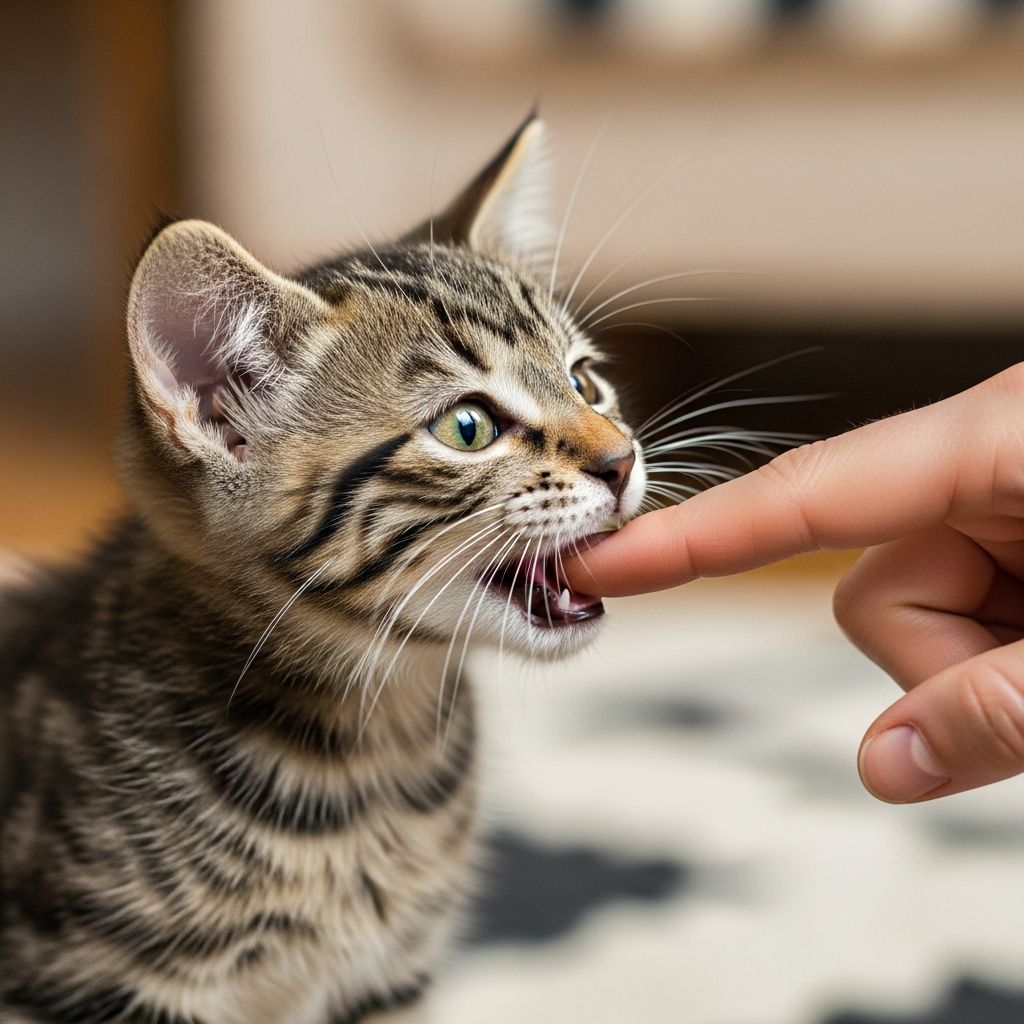
Kitten biting is one of the most common challenges new cat owners face. Those tiny teeth and enthusiastic pounces can transform a cute kitten into a pint-sized predator. However, understanding the root causes behind this behavior and implementing appropriate strategies can significantly reduce unwanted biting incidents while maintaining a healthy relationship with your feline companion.
Understanding the Biological and Behavioral Origins of Kitten Biting
Kittens bite for multiple interconnected reasons rooted in their development and instinctual drives. Recognizing these underlying causes is fundamental to addressing the behavior effectively rather than simply trying to suppress it.
Teething and Oral Discomfort: Between two to six months of age, kittens experience significant dental development. During this period, their emerging teeth and sensitive gums create genuine physical discomfort. Biting and chewing provide relief and satisfy the urge to gnaw on objects. This is a developmental phase that naturally diminishes as permanent teeth fully emerge and settle into place.
Predatory and Hunting Instincts: Kittens possess innate hunting behaviors encoded in their genetic makeup. These instincts drive them to stalk, chase, pounce, and capture moving objects. In the absence of littermates or other appropriate targets, human hands and feet often become the focus of these natural predatory behaviors. This represents normal feline development rather than aggression or misbehavior.
Play-Based Learning and Development: Interactive play serves as the primary mechanism through which kittens learn crucial social and hunting skills. During play sessions, they practice the movements and techniques they would use in hunting situations. However, kittens raised without siblings or other cats miss important lessons about appropriate bite inhibition that littermates would naturally teach them.
Nursing and Weaning Behaviors: Kittens that are not fully weaned may engage in suckling behaviors that mimic biting. This typically occurs in kittens younger than four to six weeks of age and generally resolves naturally as weaning progresses.
Fear-Based Responses and Defensive Biting: Kittens may bite when they feel threatened or frightened. In these situations, biting functions as a defensive mechanism to protect themselves from perceived threats. Every new experience can potentially trigger fear responses in young kittens, making environmental sensitivity an important consideration.
Identifying Environmental and Situational Triggers
Effective management of kitten biting requires systematic identification of specific triggers that precede biting incidents. Understanding what causes your kitten to bite allows you to modify the environment or your interactions appropriately.
Physical Overstimulation: Some kittens communicate their threshold for physical interaction through biting. If your kitten bites when you pet their belly or continue touching them after they’ve shown signs of discomfort, they’re establishing boundaries. Respecting these limits prevents defensive biting and reinforces trust in your relationship.
Attention-Seeking Behaviors: Kittens may bite to capture your attention, particularly if previous biting incidents generated strong reactions or resulted in play. Even negative attention can inadvertently reinforce biting behavior if the kitten associates it with engagement and entertainment.
Environmental Stressors: Loud noises, unfamiliar animals, or new household members can trigger anxiety-related biting. Creating a low-stress environment with adequate hiding spaces and gradual introductions to new stimuli helps reduce fear-based biting responses.
Energy and Activity Levels: Kittens with insufficient physical and mental stimulation often develop excess energy that manifests as play aggression and biting. This represents a natural outlet for pent-up energy rather than true behavioral problems.
Environmental Enrichment and Preventive Strategies
Prevention represents the most effective approach to managing kitten biting. By proactively meeting your kitten’s physical and behavioral needs, you substantially reduce inappropriate biting incidents.
Establishing Core Environmental Elements
Creating an appropriate living space addresses fundamental kitten needs and reduces stress-related biting:
- Multiple litter boxes placed in accessible, quiet locations away from food and water bowls
- Elevated perches and vertical spaces where kittens can climb and survey their territory
- Secure hiding spots where kittens can retreat when stressed or overstimulated
- Clean, fresh water sources distributed throughout the living space
- High-quality, age-appropriate nutrition delivered on a consistent schedule
- Comfortable resting areas where kittens can sleep undisturbed
Strategic Toy Selection and Interactive Play
Providing appropriate toys that engage natural hunting instincts while redirecting biting impulses proves essential:
- Wand toys with feathers or string that simulate bird movements
- Plush toys designed to resemble prey animals like mice or small birds
- Kicker toys with legs that invite grasping and kicking motions
- Crinkle balls that produce sounds mimicking prey
- Tunnels that encourage stalking and pouncing behaviors
- Food puzzle toys that combine hunting with feeding stimulation
Ensure all toys are appropriately sized and constructed for your kitten’s age to prevent choking hazards and injuries.
Structured Play Sessions and Activity Scheduling
Regular interactive play sessions fulfill multiple developmental needs simultaneously. Schedule multiple short play periods throughout the day rather than single extended sessions. This prevents overstimulation while maintaining consistent engagement. During play sessions, always allow your kitten to “catch” the toy, simulating successful prey capture. This completion satisfies their hunting sequence and provides psychological reward for appropriate prey-directed behavior.
Training Techniques and Behavioral Modification
Beyond environmental management, active training approaches teach kittens to direct biting impulses appropriately and recognize behavioral boundaries.
The Interruption and Redirection Method
When your kitten bites during interaction, immediate disengagement communicates that biting terminates play. Follow this sequence:
- Say “no” in a neutral, unemotional tone
- Immediately cease interaction and avoid eye contact
- Refrain from talking or providing attention
- If necessary, gently toss a toy in a different direction to shift their focus
- Allow several minutes for your kitten to settle
- Once calm, introduce an appropriate hunting toy for directed play
Consistency in this approach teaches kittens that biting ends the interaction they find rewarding, gradually reducing biting frequency.
Positive Reinforcement for Gentle Interactions
Rewarding gentle play strengthens desired behaviors more effectively than punishment-based approaches. When your kitten plays gently with toys or your hands without biting:
- Provide immediate praise and verbal encouragement
- Offer treats to create positive associations
- Continue pleasant interaction to reinforce the behavior
Kittens learn more readily through positive reinforcement than through scolding, which often leaves them confused about why their natural instinctual behaviors are being discouraged.
Boundary Setting and Communication
Teaching family members and visitors appropriate interaction techniques ensures consistent messages. Communicate that:
- Rough, aggressive play encourages biting behavior
- Play should always involve appropriate toys rather than hands or feet
- Overstimulation should be recognized and respected as a signal to end interaction
Addressing Specific Biting Scenarios
Managing Play Aggression and Excessive Biting
If your kitten demonstrates excessive biting despite preventive measures, evaluate their daily routine for adequate physical and mental stimulation. Increase the frequency and duration of interactive play sessions, introduce varied toys, and incorporate enrichment activities like puzzle feeders. Many cases of persistent play aggression resolve significantly once kittens receive sufficient outlets for their natural behaviors.
Responding to Fear-Based and Defensive Biting
When fear motivates biting, removing or minimizing the stressor represents the most effective intervention. Once the source of fear is eliminated, biting typically ceases. For unavoidable triggers like loud sounds or fear of other pets, gradual desensitization through slow, positive exposure helps reduce defensive responses over time.
Handling Attention-Seeking Biting
If your kitten bites to capture attention, provide consistent interaction outside of those biting incidents. Ensure adequate daily play and engagement occurs on your initiative rather than only in response to biting. This removes the reward incentive for attention-seeking behavior while meeting the kitten’s legitimate social and stimulation needs.
Techniques and Strategies to Avoid
While addressing kitten biting, certain approaches prove ineffective or potentially harmful to your relationship with your kitten:
- Physical punishment, including hitting, flicking, or spraying with water, confuses kittens and damages trust
- Yelling or aggressive scolding creates stress without teaching appropriate behavior
- Allowing hands and feet to be treated as toys inadvertently encourages biting
- Responding to biting with excited play or attention rewards the unwanted behavior
- Abrupt, forceful removal of your hand can reinforce prey-like movement that encourages pursuit biting
Developmental Timeline and Expectation Setting
Understanding the developmental trajectory of kitten behavior helps establish realistic expectations for progress. Most teething-related biting naturally diminishes between six to nine months of age as permanent teeth fully develop. Play aggression gradually improves as kittens mature and develop better bite inhibition, typically between nine to twelve months. Complete behavioral resolution may require several months of consistent training and environmental management. Patience and consistency throughout this developmental period produce the most sustainable results.
When Professional Guidance Becomes Necessary
If kitten biting persists despite consistent implementation of these strategies or if you observe signs of genuine aggression rather than play behavior, consulting with a veterinary behaviorist or certified animal behaviorist provides professional assessment and customized training protocols. These professionals can identify underlying behavioral or medical issues requiring specialized intervention.
Creating a Sustainable Training Foundation
Successfully managing kitten biting establishes positive behavioral patterns that extend throughout your cat’s life. The skills learned during these formative months—appropriate prey recognition, appropriate play partners, and respectful interaction boundaries—become the foundation for a well-adjusted adult cat. By combining environmental enrichment, consistent training, positive reinforcement, and clear boundary setting, you transform natural kitten behaviors into acceptable expressions of their feline nature while protecting yourself and your household from painful bites. This balanced approach respects your kitten’s developmental needs while establishing the mutual respect necessary for a lasting human-feline bond.
References
- How to Stop Kittens from Biting — Zoetis Petcare. 2024. https://www.zoetispetcare.com/blog/article/how-stop-kittens-biting
- How to Stop Kittens from Biting — Brown Veterinary Hospital. 2024. https://brownvethospital.com/blog/how-to-stop-kittens-from-biting/
- How To Stop a Kitten From Biting (And Why It Happens) — Chewy. 2024. https://www.chewy.com/education/cat/training-and-behavior/how-to-stop-kitten-biting
- Kitten Biting Behavior — Creekside Veterinary Hospital. 2024. https://creeksidepetvet.com/kitten-biting-behavior/
- How to Stop Kitten Biting — Purina US. 2024. https://www.purina.com/articles/cat/kitten/behavior/how-to-stop-kitten-biting
- Pet InfoRx ® Kittens Scratching and Biting — Preventive Vet. 2024. https://www.preventivevet.com/pet-inforx/kittens-scratching-and-biting
- How To Handle Kitten Biting — VCA Animal Hospitals. 2024. https://vcahospitals.com/pediatric/kitten/behavior-training/how-to-deal-with-kitten-biting
Similar Articles







Read full bio of medha deb