

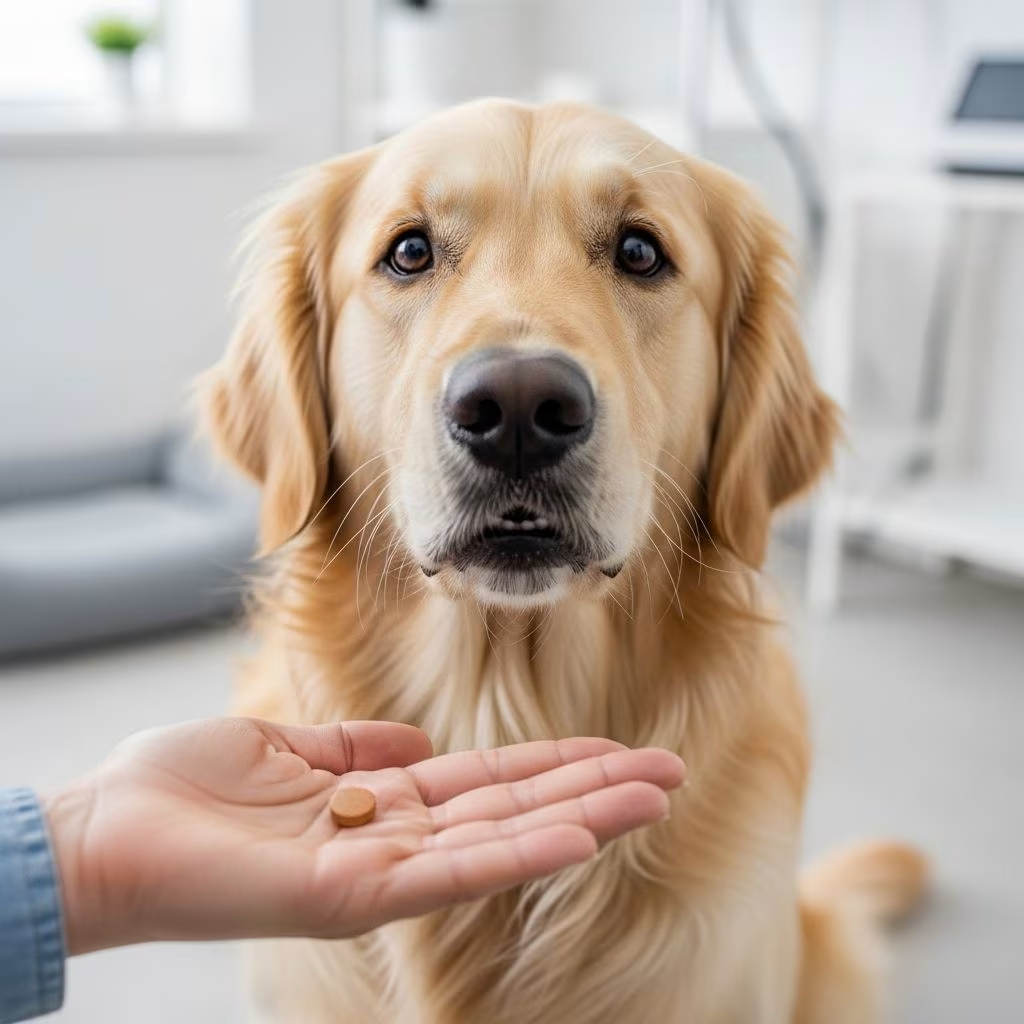
Kennel cough, also known as canine infectious respiratory disease complex (CIRDC), is a highly contagious upper respiratory infection in dogs that produces a persistent, honking cough. While it often resolves on its own within 10-14 days, symptomatic relief can improve comfort, especially through cough suppressants like dextromethorphan found in products such as Robitussin DM. Always consult a veterinarian before administering any medication, as human formulations may contain harmful ingredients for dogs.
Understanding the Nature of Kennel Cough
Kennel cough typically arises from a combination of viral and bacterial pathogens, including Bordetella bronchiseptica, canine parainfluenza virus, and others. Dogs in high-contact environments like boarding facilities, dog parks, or shelters are at greatest risk. The hallmark symptom is a dry, forceful cough that sounds like a goose honk, often triggered by excitement or pressure on the neck from collars.
Other signs include sneezing, nasal discharge, mild fever, lethargy, and loss of appetite in more severe cases. Puppies, senior dogs, and those with underlying health issues face higher risks of complications like pneumonia.
- Mild cases: Coughing without systemic illness; self-limiting.
- Moderate cases: Persistent cough with fatigue; may need supportive care.
- Severe cases: Difficulty breathing, pneumonia; requires immediate vet intervention.
Symptoms That Signal It’s Time for Action
Monitor your dog closely for progression. A simple cough might not alarm, but watch for worsening patterns. Key red flags include green-yellow nasal discharge indicating bacterial involvement, prolonged coughing fits preventing rest, dehydration from reduced eating/drinking, or respiratory distress like rapid breathing or blue gums.
| Symptom | Mild Indicator | Severe Indicator |
|---|---|---|
| Cough Frequency | Occasional, dry honk | Constant, with gagging |
| Energy Level | Normal playfulness | Lethargy, weakness |
| Appetite | Slightly reduced | Complete refusal |
| Breathing | Normal | Labored, wheezing |
Early detection prevents escalation. If symptoms persist beyond a week or intensify, schedule a vet visit promptly.
The Role of Dextromethorphan in Symptom Relief
Dextromethorphan (DXM) is a cough suppressant that acts on the brain’s cough center to reduce the urge to cough, providing rest essential for recovery. In veterinary medicine, it’s sometimes recommended for non-productive kennel cough when the hacking disrupts sleep.
Pure dextromethorphan products like certain Robitussin DM formulations (without added guaifenesin, acetaminophen, or alcohol) may be vet-approved for dogs. Typical dosing is 0.5-1 mg/kg every 6-8 hours, but never self-dose—vets tailor based on weight, age, and health.
- Pros: Reduces cough frequency, improves rest, non-sedating at proper doses.
- Cons: Overdose risks sedation, gastrointestinal upset; ineffective for productive coughs.
- Warnings: Avoid multi-ingredient syrups; check labels for xylitol or decongestants toxic to dogs.
Vets may prescribe veterinary-specific alternatives like hydrocodone or butorphanol for stronger suppression.
Home Remedies to Support Recovery
Supportive care forms the cornerstone of mild kennel cough management, easing symptoms without drugs.
Humidification and Steam Therapy
Moist air loosens mucus and soothes irritated airways. Sit your dog in a steamy bathroom for 10-15 minutes, 2-3 times daily, or use a humidifier. This simple step significantly reduces cough intensity.
Honey for Throat Soothing
Raw honey coats the throat, offering natural relief. Give 1 tsp for small dogs or 1 tbsp for large breeds, 2-3 times daily, if vet-approved. Avoid in puppies under 1 year due to botulism risk.
Nutritional Boosts and Hydration
Ensure constant fresh water access; add low-sodium broth to encourage drinking. Probiotics like FortiFlora support gut and immune health during illness. Home-cooked bland diets (boiled chicken/rice) aid appetite recovery.
- Boost immunity with omega-3 rich fish oil.
- Avoid smoke, dust, and irritants.
- Use harnesses instead of collars.
Veterinary Treatments for Persistent or Severe Cases
When home care falls short, professional intervention is crucial. Vets diagnose via history, exam, and possibly PCR swabs or cultures to identify pathogens.
Antibiotics: Reserved for bacterial components (e.g., doxycycline 5-10 mg/kg daily for 7-14 days) if pus-like discharge or fever present. Not routine for viral cases.
Advanced Therapies:
- Nebulization with saline or mucolytics to clear airways.
- Bronchodilators for wheezing.
- IV fluids, oxygen for hospitalized cases.
Most recover fully with rest; complications like pneumonia affect under 10% but demand swift action.
Prevention Strategies: Vaccination and Hygiene
Prevention trumps treatment. Core vaccines target common strains, available intranasally, orally, or injectable. Administer boosters annually or as required by facilities, though efficacy varies.
- Isolate sick dogs.
- Disinfect environments.
- Limit exposure in high-risk areas.
Prophylactic doxycycline may be used in outbreaks at shelters (5 mg/kg daily for 5 days).
FAQs on Kennel Cough and Dextromethorphan
Q: Can I give my dog Robitussin DM for kennel cough?
A: Only plain dextromethorphan versions, at vet-recommended doses. Confirm ingredients first.
Q: How long does kennel cough last?
A: Typically 10-14 days with supportive care; longer in severe cases.
Q: Is kennel cough contagious to humans?
A: No, it’s dog-specific.
Q: When should I see a vet?
A: If cough worsens, lasts over a week, or includes lethargy/breathing issues.
Q: Are essential oils safe for kennel cough?
A: Diluted topical use may soothe, but consult vet; ingestion risks toxicity.
Long-Term Respiratory Health for Dogs
Beyond acute episodes, maintain lung health with regular exercise, weight control, and annual check-ups. Breeds like Bulldogs with brachycephalic airways need extra vigilance.
Integrate immune-supportive foods: blueberries, yogurt, turmeric (vet-dosed). Avoid over-vaccination; follow tailored protocols.
References
- What Dog Owners Should Expect When it Comes to Kennel Cough Treatment — Pierz Vet Clinic. 2023. https://www.pierzvetclinic.com/services/blog/what-dog-owners-should-expect-when-it-comes-kennel-cough-treatment
- Kennel Cough in Dogs: Symptoms, Causes, and Treatment — PetMD. 2024-10-15. https://www.petmd.com/dog/conditions/respiratory/kennel-cough-dogs-what-are-symptoms-and-how-kennel-cough-treated
- Kennel Cough Home Treatment for Dogs — Franklin TN Vet. 2023. https://franklintnvet.com/kennel-cough-home-treatment-for-dogs/
- Kennel Cough in Dogs: Symptoms, Treatments, Vaccine — Best Friends Animal Society. 2024. https://bestfriends.org/pet-care-resources/kennel-cough-dogs-symptoms-treatments-vaccine
- Kennel Cough Revisited — Today’s Veterinary Practice. 2022-05-01. https://todaysveterinarypractice.com/preventive-medicine/vital-vaccination-series-kennel-cough-revisited/
- The Risks of Kennel Cough — Cornell University College of Veterinary Medicine. 2024. https://www.vet.cornell.edu/departments-centers-and-institutes/riney-canine-health-center/canine-health-topics/risks-kennel-cough
- Canine Infectious Respiratory Disease Complex (Kennel Cough) — AVMA. 2024-01-20. https://www.avma.org/resources-tools/pet-owners/petcare/canine-infectious-respiratory-disease-complex-kennel-cough



