

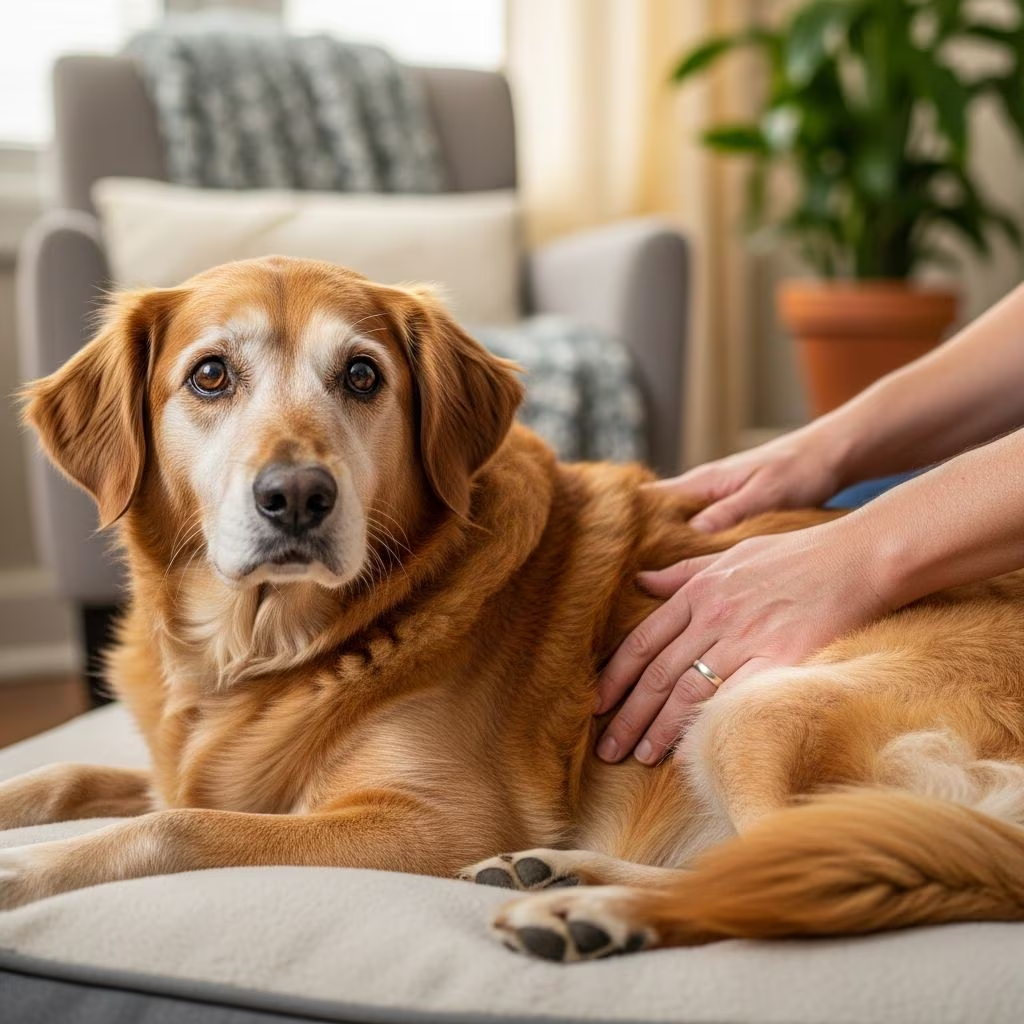
Joint pain, particularly from osteoarthritis, affects many dogs, especially as they age, leading to reduced mobility and discomfort that impacts their daily lives. Effective management combines veterinary care, lifestyle adjustments, and targeted therapies to maintain comfort and activity levels.
Understanding the Nature of Canine Joint Issues
Canine joint pain often stems from osteoarthritis, a degenerative condition where cartilage breaks down, causing bones to rub together painfully. This progressive disease worsens over time, starting subtly and escalating to significant mobility challenges. Unlike acute injuries, it requires ongoing management rather than a quick fix.
Dogs of all ages can develop these issues, though seniors are most prone due to cumulative wear. Early detection allows for interventions that slow progression and preserve joint function.
Common Indicators of Joint Discomfort
Recognizing signs early is crucial for timely intervention. Owners often notice behavioral and physical changes that signal underlying joint problems.
- Stiffness upon rising: Dogs may hesitate or struggle to stand after rest, with a slow, shuffling gait.
- Limping or lameness: Favoring one or more legs, especially after activity.
- Reluctance to engage: Avoiding jumps, stairs, runs, or play sessions they once enjoyed.
- Joint swelling and warmth: Visible puffiness or heat around affected areas.
- Behavioral shifts: Increased irritability, whining, restlessness, or excessive licking at joints.
- Reduced enthusiasm: Less interest in walks or interactions, signaling pain.
These symptoms can mimic other conditions, so veterinary evaluation is essential for accurate diagnosis via exams, X-rays, or joint fluid analysis.
Primary Causes Behind Joint Deterioration
Several factors contribute to joint pain in dogs, often interacting to accelerate damage.
| Cause | Description | Common in Breeds |
|---|---|---|
| Wear and Tear | Age-related cartilage erosion from daily use. | All breeds, especially seniors |
| Injuries | Ligament tears, fractures, or dislocations stressing joints. | Active breeds |
| Dysplasia | Genetic hip or elbow malformation. | Labradors, German Shepherds |
| Obesity | Excess weight overloading joints. | Large breeds |
| Developmental Issues | Improper puppy exercise leading to joint abnormalities. | Fast-growing large breeds |
Large breeds like Labradors, Golden Retrievers, and German Shepherds face higher risks due to size and genetics. Obesity exacerbates all causes by adding mechanical stress.
Diagnostic Approaches for Confirmation
Veterinarians start with a physical exam, assessing gait, joint range, and pain responses. Imaging like radiographs reveals bone changes, while advanced tests like CT scans or arthroscopy provide detailed views. Blood work rules out infections or other diseases.
Pharmacological Options for Pain Control
Medications form the cornerstone of symptom relief, targeting inflammation and pain.
- NSAIDs: Drugs like carprofen, meloxicam, or grapiprant (Galliprant) reduce swelling and discomfort effectively. Administered daily as tablets or liquids.
- Adequan Injections: FDA-approved polysulfated glycosaminoglycan boosts joint lubrication and curbs inflammation via vet-administered shots.
- Librela: Monthly anti-NGF monoclonal antibody injection specifically for osteoarthritis pain.
- Other Analgesics: If NSAIDs insufficient, vets may add opioids or gabapentinoids for breakthrough pain.
Always follow vet dosing to avoid side effects like gastrointestinal upset; regular monitoring via blood tests is standard.
Physical Rehabilitation Techniques
Rehab restores function, builds strength, and minimizes pain without surgery.
- Underwater Treadmills: Buoyancy reduces joint load while enabling controlled exercise.
- Passive Range of Motion: Gentle joint flexing prevents stiffness.
- Massage: Improves circulation, eases muscle tension.
- Therapeutic Exercises: Balance work, obstacle courses tailored to ability.
- Electrical Stimulation: TENS or neuromuscular units combat atrophy and provide analgesia.
Certified canine rehab specialists design programs, often combining modalities for optimal results.
Advanced and Alternative Therapies
Emerging treatments offer non-drug relief.
- Laser Therapy: Low-level light penetrates tissues, promoting healing, reducing inflammation.
- Shockwave Therapy: Acoustic waves target deep inflammation.
- Stem Cell Therapy: Regenerative cells injected to repair tissue, showing promise.
- Acupuncture: Needle stimulation for pain modulation in some cases.
Surgery is rare, reserved for instabilities like cruciate ruptures.
Nutritional Strategies and Weight Management
Diet directly influences joint health.
- Weight Control: Every pound lost eases joint burden; low-calorie diets prevent regain.
- Joint Supplements: Glucosamine, chondroitin, omega-3s support cartilage.
- Specialized Formulas: Prescription foods with antioxidants and EPA/DHA.
Maintain ideal body condition score through portion control and monitoring.
Home Care and Environmental Modifications
Simple changes enhance comfort.
- Comfortable Bedding: Orthopedic foam beds cushion joints.
- Ramps and Steps: Assist with cars, furniture, stairs.
- Non-Slip Surfaces: Mats prevent slips on slick floors.
- Warmth: Heated pads soothe stiffness (supervised).
- Gentle Exercise: Short, frequent low-impact walks (10-15 min, 3-4x/day).
Avoid high-impact activities like jumping.
Preventive Measures for Long-Term Joint Health
Proactive steps reduce risk.
- Balanced puppy exercise: Neither over- nor under-doing it.
- Lifelong weight management.
- Regular vet check-ups for early detection.
- Supplements from middle age in at-risk breeds.
Frequently Asked Questions
Can arthritis in dogs be cured?
No, it’s progressive and incurable, but treatments manage symptoms effectively, improving quality of life.
At what age does joint pain typically start?
Often in seniors over 8 years, but younger dogs with dysplasia or injuries can be affected.
Are supplements safe for all dogs?
Generally yes, but consult vets for dosing and interactions.
How often should I exercise a dog with joint issues?
Short sessions multiple times daily; tailor to tolerance with vet guidance.
Is surgery ever necessary?
Rarely for advanced cases like joint replacements or stabilizations.
References
- Arthritis in Dogs | Blue Cross — Blue Cross UK. 2023. https://www.bluecross.org.uk/advice/dog/health-and-injuries/arthritis-in-dogs
- Dog Arthritis Treatment: How To Help a Dog — PetMD. 2024. https://www.petmd.com/dog/general-health/dog-arthritis-treatment-how-to-help-a-dog
- Osteoarthritis in Dogs – Causes, Symptoms & Treatments — Berkeley Dog & Cat Hospital. 2022-09-15. https://www.berkeleydogandcat.com/site/blog/2022/09/15/osteoarthritis-in-dogs-symptoms-treatment
- Osteoarthritis in Dogs: Causes, Symptoms & Treatment — Barton Heights Veterinary Hospital. 2024-03-15. https://www.bartonheights.com/site/blog/2024/03/15/osteoarthritis-dogs
- Arthritis in dogs — PDSA. 2024. https://www.pdsa.org.uk/pet-help-and-advice/pet-health-hub/conditions/arthritis-in-dogs
- Osteoarthritis | Cornell University College of Veterinary Medicine — Cornell University. 2024. https://www.vet.cornell.edu/departments-centers-and-institutes/riney-canine-health-center/canine-health-topics/osteoarthritis



