

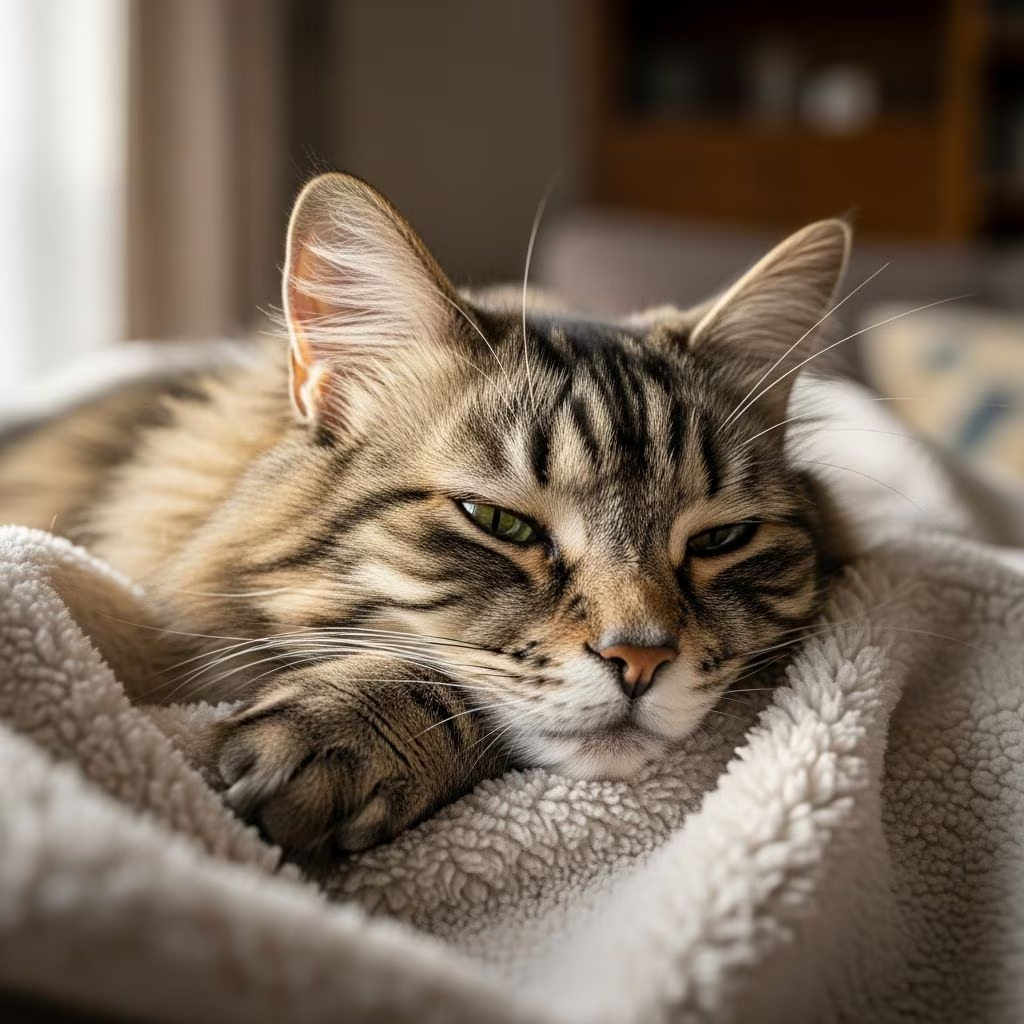
Understanding Osteoarthritis in Senior Cats
As cats age, many experience a progressive deterioration of their joint cartilage that leads to discomfort and reduced mobility. Osteoarthritis represents the most prevalent joint condition affecting feline populations, particularly in senior cats. This degenerative joint disease occurs when the protective cartilage that cushions the bones within a joint gradually wears away over time. As this protective layer diminishes, the underlying bones begin to make direct contact with one another, resulting in pain, inflammation, and decreased range of motion.
The prevalence of this condition in aging felines is remarkably high, with veterinary research indicating that the majority of senior cats develop some degree of joint degeneration. Despite this widespread occurrence, many pet owners remain unaware that their cats are experiencing joint-related discomfort because felines characteristically mask signs of pain through behavioral changes rather than obvious physical symptoms.
Recognizing Subtle Signs of Joint Discomfort
One of the most challenging aspects of managing feline arthritis involves recognizing that cats often conceal their pain in ways that differ significantly from dogs or humans. Unlike canine companions who frequently limp or vocalize their discomfort, cats typically maintain their normal gait even when experiencing considerable joint damage. This natural tendency to hide pain stems from their evolutionary survival instincts, making it crucial for owners to observe behavioral patterns rather than relying on obvious physical indicators.
Common behavioral changes that may signal joint-related pain include:
- Reluctance to jump onto or down from furniture, beds, or elevated surfaces
- Difficulty navigating stairs or requiring assistance with vertical movement
- Increased stiffness, particularly noticeable after periods of rest or sleep
- Reduced time spent grooming, resulting in a less-maintained coat appearance
- Avoidance or difficulty using the litter box, sometimes leading to inappropriate elimination
- Changes in activity levels, including decreased engagement with toys or play
- Increased irritability or changes in temperament
- Spending more time sleeping or resting in hidden locations
Pet owners should contact their veterinarian whenever they notice any of these behavioral changes, regardless of how minor they may seem. Early intervention can significantly improve a cat’s comfort level and quality of life.
Creating an Arthritis-Friendly Home Environment
Environmental modifications represent one of the most effective non-pharmaceutical interventions for managing feline joint pain. By reducing the physical demands placed on compromised joints during daily activities, owners can substantially decrease pain and improve their cat’s mobility and independence.
Accessibility and Movement Considerations
Minimizing the need for high-impact jumping is essential, as this activity places considerable stress on already-compromised joints. Strategically positioning food, water, and litter boxes on the same level as your cat’s main living areas can eliminate unnecessary jumping. When elevated spaces remain important for your cat’s comfort, installing pet ramps or low-profile stairs provides accessible alternatives to jumping. These additions allow cats to reach their favorite elevated spots while substantially reducing joint strain.
Litter box management warrants particular attention, as many senior cats with joint pain struggle with traditional high-sided boxes. Selecting boxes with low entry sides or replacing them with open litter pans can make this essential daily activity considerably more comfortable.
Comfort and Support Modifications
Providing soft, warm resting areas specifically designed for arthritic cats can offer both physical and psychological benefits. Heated beds or orthopedic cushions maintain joint warmth, which increases blood circulation and may provide pain relief. These comfortable spaces should be situated in quiet areas where your cat can retreat without navigating obstacles.
For cats who enjoy scratching and climbing, flat or slanted scratching surfaces may be more accessible than traditional vertical posts. This accommodation allows cats to engage in natural behaviors without the joint stress associated with vertical climbing.
Nutritional Management and Weight Control
Excess body weight directly contributes to accelerated joint deterioration and increased pain severity in arthritic cats. The additional weight places excessive strain on already-compromised joints, causing osteoarthritis to progress more rapidly. Weight management stands as one of the most important therapeutic interventions available for feline arthritis management.
Veterinarians frequently recommend weight loss programs for overweight cats with joint disease, as even modest weight reductions can produce noticeable improvements in mobility and pain levels. Working with your veterinarian to develop an appropriate weight management plan ensures that any dietary changes are nutritionally balanced and sustainable for your individual cat.
Beyond weight management, certain supplements may support joint health, though results typically take several weeks to manifest and provide only mild pain relief. Common supplements for arthritic cats include glucosamine, chondroitin sulfate, and methylsulfonylmethane (MSM). However, any supplementation regimen should be discussed with your veterinarian prior to implementation.
Pharmaceutical Interventions and Pain Management
Medication Safety and Efficacy
Cats possess unique metabolic characteristics that make them highly sensitive to many pain medications that are safe for other species. Common human pain relievers such as acetaminophen and ibuprofen are highly toxic to cats and should never be administered without veterinary guidance. A qualified veterinarian can recommend safer pharmaceutical alternatives appropriate for feline metabolism.
Treatment Options
The primary pharmaceutical approach to feline arthritis involves non-steroidal anti-inflammatory drugs (NSAIDs), which represent the most commonly prescribed treatment category. These medications reduce inflammation while providing temporary pain relief, making daily activities more comfortable for affected cats.
For cats unable to tolerate oral medications, injectable options provide viable alternatives. Injectable joint protectants containing glycosaminoglycans are administered approximately every four weeks and help relieve arthritic pain. Injections are typically administered in a veterinary setting and may prove more effective for cats that resist oral medication administration.
A newer advancement in feline arthritis treatment involves Solensia (frunevetmab), a monoclonal antibody injection approved by the FDA specifically for long-term arthritis management in cats. This monthly injection targets pain-causing substances within the body and offers an alternative for cats requiring chronic pain management.
Oral pain management medications may also be recommended when NSAIDs alone prove insufficient, though medication selection must account for feline liver function and sensitivity to various compounds. Your veterinarian can determine the most appropriate medication profile for your cat’s specific condition.
Physical Therapy and Movement-Based Approaches
Appropriate physical activity remains essential for most cats with osteoarthritis, despite their joint pain. Strategic exercise maintains ideal body weight, preserves muscle tone, improves range of motion, and supports overall joint health.
Gentle Exercise and Play Modification
Play sessions may require adjustment in both duration and intensity compared to your cat’s pre-arthritis activity level. Toys that encourage movement without high-impact running or jumping provide optimal benefits. Shorter, gentler play sessions prevent excessive joint wear while maintaining adequate physical activity for weight management and muscle preservation.
Therapeutic Interventions
Several hands-on therapeutic approaches can provide joint pain relief:
- Gentle massage improves circulation and may provide localized pain relief
- Assisted stretching maintains flexibility and range of motion
- Heat therapy increases blood flow and soothes joint discomfort
Physical therapy specialists can design individualized exercise programs tailored to your cat’s specific symptoms and pain tolerance levels. Not all cats tolerate every therapeutic modality equally, so professional guidance ensures that chosen treatments align with your cat’s temperament and physical capabilities.
Advanced Therapeutic Technologies
Laser and Energy-Based Treatments
Cold laser therapy, also known as photobiomodulation (PBMT), represents a noninvasive treatment option that may dramatically reduce inflammation and pain. This painless procedure involves moving a specialized device that emits therapeutic light waves across your cat’s body over their fur. The treatment stimulates cellular healing processes without discomfort or side effects.
Targeted pulsed electromagnetic field (tPEMF) therapy provides an alternative energy-based approach that reduces inflammation by sending therapeutic signals into tissues to trigger natural repair mechanisms. Both laser and magnetic therapies can be incorporated into comprehensive pain management strategies for senior cats.
Water-Based Exercise Programs
Hydrotherapy offers another therapeutic option for cats whose mobility is significantly compromised. Water-based exercise using underwater treadmills or guided swimming improves range of motion, strength, and overall mobility while minimizing impact on joints. However, many cats require gradual acclimation to water-based therapies, and not all cats will tolerate this intervention.
Complementary and Alternative Approaches
In addition to conventional treatments, several complementary therapies may provide benefit for some arthritic cats, though scientific evidence varies regarding their effectiveness.
Acupuncture
This traditional Chinese medicine approach involves placing needles at specific body points to relieve pain. While research regarding acupuncture efficacy in cats remains limited, some felines may experience pain relief through this treatment method.
Electromagnetic Field Devices
Home-based devices such as the Assisi Loop use targeted electromagnetic fields to reduce inflammation and pain. These devices allow pet owners to administer therapy sessions at home, typically requiring multiple 15-minute sessions per day during initial treatment phases.
Developing a Personalized Treatment Strategy
Effective arthritis management typically requires combining multiple treatment approaches rather than relying on a single intervention. A comprehensive plan might integrate medication, supplements, physical therapy, environmental modifications, and weight management simultaneously to address various aspects of the condition.
Your veterinarian can evaluate your cat’s specific situation and recommend an individualized treatment combination suited to their particular needs, pain severity, and tolerance for various interventions. Regular follow-up appointments allow for treatment adjustments based on your cat’s response and changing condition.
Important Medication Precautions
Never administer any medication to your cat without explicit veterinary direction and prescription. Cats metabolize medications differently than other species, making them susceptible to toxicity from compounds safe for dogs or humans. Always follow dosing instructions precisely and report any adverse reactions to your veterinarian immediately.
Frequently Asked Questions About Feline Arthritis
What can I provide at home for my senior cat with arthritis?
Common recommendations include soft and heated beds for comfort, elevated food and water bowls to reduce bending, litter boxes with low entry sides for accessibility, and pet ramps or stairs for reaching favorite elevated spaces. Weight management through appropriate nutrition also represents an essential component of home care.
How is cat arthritis typically treated?
Treatment approaches include non-steroidal anti-inflammatory drugs (NSAIDs), pain management medications, injectable joint protectants, acupuncture, laser therapy, physical therapy, environmental modifications, and weight management. Most effective treatment plans combine multiple approaches rather than relying on a single intervention.
Are human pain medications safe for cats with arthritis?
No. Many human pain medications including acetaminophen and ibuprofen are highly toxic to cats. Always obtain pain management recommendations from your veterinarian rather than using over-the-counter human medications.
How long do arthritis treatments take to show results?
Medications may provide relatively quick pain relief, while supplements typically require several weeks to demonstrate effectiveness and provide only mild relief. The timeline for improvement varies depending on which treatment approaches are implemented and your individual cat’s response.
References
- What to do if your cat has arthritis and what you can do at home — Vetster. Accessed February 2026. https://vetster.com/en/wellness/what-to-do-if-your-cat-has-arthritis-and-what-you-can-do-at-home
- Cat Arthritis Symptoms, Pain Relief, Treatments, and Types — WebMD Pets. https://www.webmd.com/pets/cats/cat-arthritis-symptoms-pain-relief
- 9 Treatments for Arthritis in Cats: Medications and More — GoodRx Pet Health. https://www.goodrx.com/pet-health/cat/arthritis-treatment
- Arthritis Management — The Cat’s Meow Veterinary Hospital. https://www.catsmeowvets.com/cat-health-info/arthritis
- Arthritis in Cats — PetMD. https://www.petmd.com/cat/conditions/musculoskeletal/arthritis-cats
- Arthritis in cats — International Cat Care. https://icatcare.org/articles/arthritis-in-cats



