
Managing Itchiness In Horses: Prevention And Treatment Guide
Comprehensive guide to identifying, treating, and preventing pruritus in horses for optimal skin health and comfort.
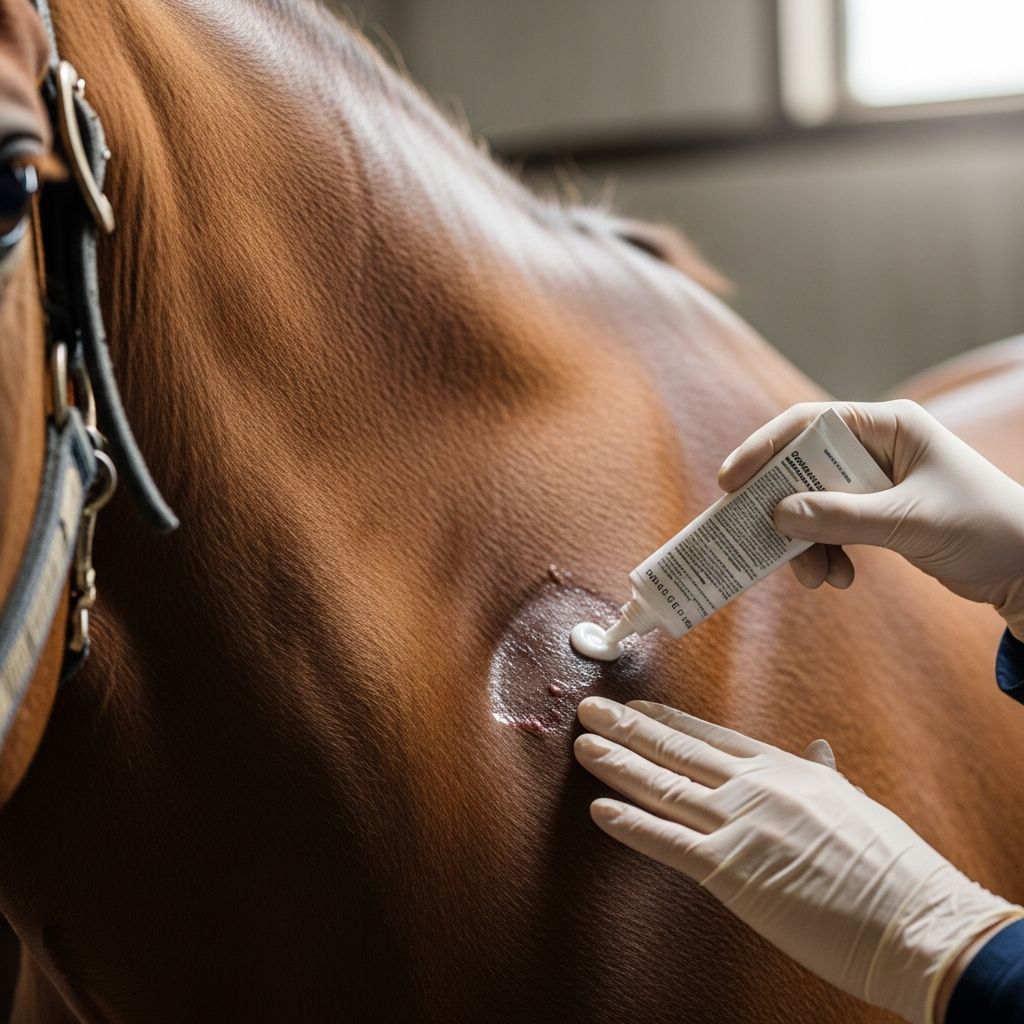
Itching, or pruritus, represents a frequent dermatological challenge in equine care, signaling underlying issues that demand prompt attention. This condition manifests as relentless scratching, rubbing, or biting at the skin, potentially leading to hair loss, sores, and secondary infections if unmanaged. Horse owners must recognize that pruritus is a symptom rather than a standalone illness, often stemming from parasites, allergic reactions, or infectious agents. Early intervention through veterinary assessment can prevent escalation and restore equine well-being.
Primary Triggers of Skin Discomfort
Understanding the root causes is essential for effective resolution. Parasitic infestations top the list, with external parasites like lice, mites, and pinworms provoking intense irritation. Chorioptic mange, caused by mites residing in the pasterns, exemplifies this, damaging skin barriers and inviting bacterial entry. Allergic responses follow closely, particularly to insect bites from Culicoides midges, triggering what is commonly termed sweet itch or insect bite hypersensitivity (IBH). This seasonal affliction affects susceptible horses, leading to hypersensitivity via immune-mediated pathways involving cytokines like IL-31.
Infections contribute significantly, encompassing bacterial folliculitis and fungal overgrowths such as those from Malassezia or Dermatophilus congolensis in pastern dermatitis. Less common culprits include food sensitivities, contact irritants from topical products, drug reactions, or systemic conditions like hepatic dysfunction. Seasonal patterns often hint at environmental allergens, while persistent cases may indicate atopy or atopy-like responses.
Recognizing Clinical Signs
Horses exhibit distinctive behaviors and lesions indicative of pruritus. Affected animals frequently rub against fences, stalls, or trees, targeting mane, tail, and ventral midline regions classic for IBH. Visible signs include alopecia, excoriations, urticaria (hives), crusting, and hyperpigmentation from chronic friction. In pastern dermatitis, known as scratches, expect moist, oozing lesions with scab formation. Odor, scaling, and exudate signal infectious involvement. Behavioral shifts, such as restlessness or reduced performance, underscore the distress.
- Alopecia and excoriations: From self-trauma due to scratching.
- Urticaria: Raised wheals from mast cell degranulation.
- Crusting and scaling: Indicative of chronic inflammation or secondary infection.
- Regional patterns: Tailhead and withers for insect allergies; legs for mange or pastern issues.
Diagnostic Approaches
Veterinarians employ a systematic process to pinpoint causes. A detailed history covers onset, seasonality, diet changes, and management practices, followed by a comprehensive physical exam focusing on skin scrapings, hair plucks, and cytology. Parasite exclusion involves microscopic examination for mites, lice, or eggs. Biopsies or intradermal testing aid allergy confirmation, while bloodwork rules out systemic diseases. For IBH, clinical scoring systems assess lesion severity and pruritus intensity over time.
Skin sampling proves invaluable: tape preps reveal bacteria or yeast, while fungal cultures identify ringworm. Allergy trials may necessitate feed elimination diets or environmental alterations. Advanced imaging or serology supports equivocal cases, ensuring targeted therapy.
Treatment Strategies
Therapy hinges on etiology. Parasitic cases respond to ivermectin or doramectin for nematodes, alongside topical acaricides for mites. Allergic pruritus demands multifaceted management: insect repellents, fly sheets, and stabling at dawn/dusk minimize Culicoides exposure. Corticosteroids like prednisolone provide rapid relief by curbing inflammation, though short-term use is advised to avoid side effects.
Nutritional support enhances skin integrity; supplementing with omega-3 fatty acids from flaxseed or fish oil reduces inflammation and improves coat quality. Topical emollients containing urea, glycerol, or zinc oxide soothe locally, while calcineurin inhibitors like tacrolimus offer steroid-sparing alternatives. Systemic antihistamines, such as cetirizine, yield variable results but aid urticarial cases.
| Condition | Key Treatments | Expected Outcome |
|---|---|---|
| Parasitic (lice/mange) | Ivermectin, topical washes | Rapid resolution post-deparasitization |
| Insect Bite Hypersensitivity | Fly sheets, steroids, IL-31 vaccine | Seasonal control, reduced self-trauma |
| Pastern Dermatitis | Antibacterial creams, scab removal | Healing in 1-2 weeks with hygiene |
| Allergic/Atopic | Omega-3s, antihistamines, immunotherapy | Gradual improvement, maintenance needed |
Advanced and Emerging Therapies
For refractory cases, innovative options emerge. Janus kinase inhibitor oclacitinib (0.25-0.5 mg/kg PO q12h) targets cytokine pathways, mirroring canine success and showing promise in equines. Virus-like particle vaccines against IL-31 have demonstrated clinical amelioration in IBH trials, reducing pruritus via antibody neutralization over multiple seasons. Allergen-specific immunotherapy desensitizes via gradual exposure, offering long-term efficacy for identified hypersensitivities.
Biologics and tricyclic antidepressants like doxepin cream address neurological itch components. Owners should prioritize veterinary oversight to balance efficacy and safety, particularly with off-label applications.
Preventive Measures and Long-Term Care
Proactive strategies curtail recurrence. Rigorous parasite control via regular deworming and grooming prevents infestations. Environmental management includes fly traps, pour-on repellents, and breathable rugs denying insect access. Dietary omega enrichment bolsters epidermal barriers, while clean, dry bedding mitigates pastern issues. Monitoring for early signs enables swift action, minimizing chronicity.
Herd screening identifies at-risk individuals, facilitating tailored prophylaxis. Educational outreach empowers owners, reducing reliance on unproven topicals that may exacerbate irritation.
Frequently Asked Questions (FAQs)
What is the most common cause of itching in horses?
Parasites and insect bite allergies, particularly Culicoides midges causing sweet itch, are predominant.
Can diet help with horse pruritus?
Yes, omega-3 fatty acid supplementation improves skin health and reduces inflammation in chronic cases.
How do I prevent sweet itch?
Use full-body fly sheets, stable during peak midge activity, and apply repellents; consider relocation to low-midge areas.
When should I call a vet for itching?
Immediately if accompanied by hair loss, oozing, or behavioral changes to avert secondary complications.
Are antihistamines effective for equine itch?
They offer partial relief, especially second-generation types, but steroids often provide superior results.
Holistic Management Outlook
Integrating diagnostics, targeted treatments, and prevention forms a robust framework for pruritus control. While challenges persist in allergic etiologies, advancing therapeutics like anti-IL-31 vaccines herald improved prognoses. Vigilant owners partnering with veterinarians achieve optimal outcomes, ensuring horses enjoy itch-free vitality.
References
- Non-responsive pruritus cases: guide to potential options — Vet Times. 2023-10-01. https://www.vettimes.com/news/vets/equine/non-responsive-pruritus-cases-guide-to-potential-options
- Itching (Pruritus) in Horses – Horse Owners — Merck Veterinary Manual. 2023-01-15. https://www.merckvetmanual.com/horse-owners/skin-disorders-of-horses/itching-pruritus-in-horses
- Skin Irritations in Horses: Hives, Infections, Allergies & Hair Loss — Mad Barn. 2024-05-20. https://madbarn.com/skin-irritations-in-horses/
- Insect Bite Hypersensitivity in Horses: Causes, Diagnosis, Scoring — PMC (NCBI). 2023-08-10. https://pmc.ncbi.nlm.nih.gov/articles/PMC10416928/
- Sweet Itch in Horses: Symptoms, Causes, and Treatment Options — PetMD. 2024-02-14. https://www.petmd.com/horse/conditions/skin-health/sweet-itch-in-horses
Similar Articles








Read full bio of medha deb


