
Managing Intraocular Inflammation in Veterinary Patients
Comprehensive strategies for treating uveitis and related eye inflammations in dogs, cats, horses, and other animals using targeted pharmacotherapeutics.
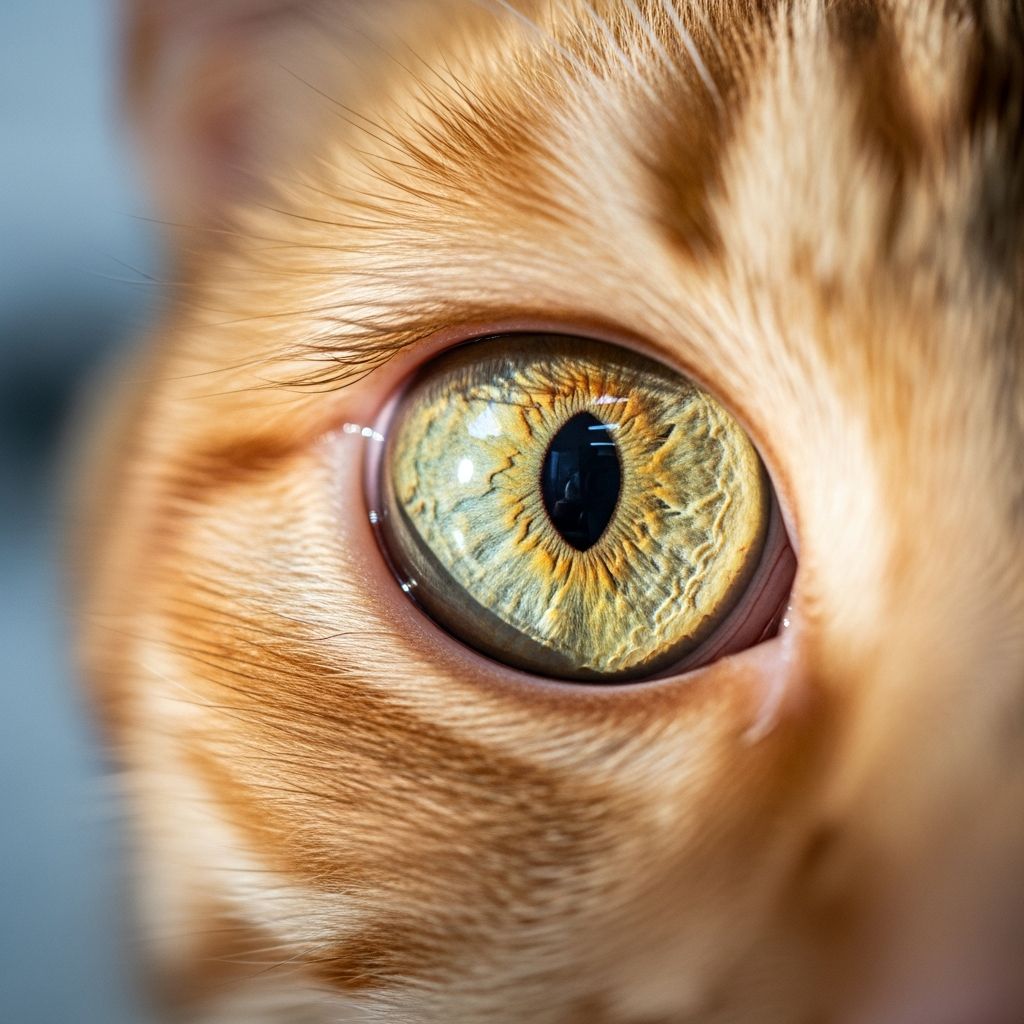
Intraocular inflammation, often manifesting as uveitis, poses significant challenges in veterinary medicine due to its potential to cause pain, vision loss, and secondary complications like glaucoma or cataracts. Effective management requires a multifaceted approach combining anti-inflammatory agents, pain relief, and treatment of underlying causes. This article delves into pharmacotherapeutic options, emphasizing topical, systemic, and injectable therapies tailored to common domestic species such as dogs, cats, and horses.
Understanding the Pathophysiology of Intraocular Inflammation
Intraocular inflammation involves the uveal tract, comprising the iris, ciliary body, and choroid. Triggers include infectious agents (e.g., bacteria, viruses, fungi), immune-mediated disorders, trauma, or neoplasia. In dogs, tick-borne diseases like ehrlichiosis can precipitate uveitis, while horses frequently suffer from recurrent episodes linked to leptospirosis. Cats may experience it secondary to feline infectious peritonitis or toxoplasmosis. The inflammatory cascade leads to aqueous humor protein leakage, cellular infiltration, and vascular permeability changes, resulting in clinical signs like miosis, aqueous flare, hyphema, and elevated intraocular pressure (IOP).
Early intervention is crucial to prevent irreversible damage. Diagnosis typically involves slit-lamp biomicroscopy, tonometry, and systemic workups to identify etiologies. Treatment prioritizes reducing inflammation, stabilizing IOP, and addressing root causes.
Topical Pharmacotherapeutics: First-Line Defense
Topical medications offer direct delivery to the anterior segment with minimal systemic absorption, making them ideal for initial therapy. Corticosteroids such as
prednisolone acetate 1%
ordexamethasone 0.1%
are staples, applied every 4-6 hours for acute cases. These agents suppress phospholipase A2, inhibiting prostaglandin and leukotriene synthesis.- Dosing for dogs: Prednisolone acetate QID until resolution, then taper.
- For cats: Similar protocols, monitoring for corneal sequestration risks.
- Horses: Frequent application challenging; combine with systemic options.
Non-steroidal anti-inflammatory drugs (NSAIDs) like
diclofenac 0.1%
orflurbiprofen 0.03%
complement steroids, especially in ulcer-prone eyes, applied QID. They inhibit cyclooxygenase, reducing prostaglandins without steroid-related collagenolysis risks.Mydriatics such as
atropine 1%
(Q6-8H) relieve ciliary spasm and prevent posterior synechiae but are contraindicated in glaucoma due to IOP elevation potential.Systemic Anti-Inflammatory Strategies
When topical therapy insufficient, systemic agents provide broader control. Glucocorticoids like
prednisone (1-2 mg/kg PO SID)
are used for noninfectious cases post-ruling out infections. Start antimicrobials 24-48 hours prior if infectious etiology suspected.NSAIDs such as
meloxicam (0.2 mg/kg IV/PO)
orfirocoxib (5 mg/kg PO)
aid uveitis control, particularly in dogs, but assess renal/hepatic function first.| Agent | Species/Dose | Indications | Precautions |
|---|---|---|---|
| Meloxicam | Dogs: 0.2 mg/kg IV/PO | Uveitis inflammation | Renal monitoring |
| Firocoxib | Dogs: 5 mg/kg PO | Pain relief | GI ulceration risk |
| Prednisone | All: 1-2 mg/kg PO | Severe uveitis | Rule out infection |
Oral carbonic anhydrase inhibitors (CAIs) like
methazolamide (2-5 mg/kg Q8-12H)
support IOP management but show limited additive benefit over topicals.Advanced Delivery Methods: Injections and Implants
Subconjunctival injections bypass compliance issues.
Betamethasone
ordexamethasone
(0.5-1 mL) provide 2-4 weeks effect without depot plaques. Risks include corneal ulceration potentiation; avoid in ulcerated eyes.In horses with recurrent uveitis (ERU),
cyclosporine scleral implants
release immunomodulators over years, reducing flare frequency.Intravitreal
triamcinolone acetonide (2-4 mg)
treats posterior segment issues like chorioretinitis, washed preservative-free to minimize toxicity.Species-Specific Considerations
Dogs
Canine uveitis often secondary to systemic disease. Combine topicals (prednisolone + NSAID) with orals post-diagnostics. Azathioprine or cyclosporine for idiopathic cases after excluding neoplasia.
Cats
Feline cases demand infection rule-out. Prednisolone acetate preferred; monitor for hypertension.
Horses
ERU management: Topicals + systemic NSAIDs + implants for prophylaxis.
Complications and Monitoring
Therapy risks include secondary glaucoma (steroids/mydriatics), ulcers (steroids), and iatrogenic infections. Monitor IOP weekly, taper meds gradually. Surgical options like enucleation for blind, painful globes.
Emerging Therapies and Future Directions
Proteasome inhibitors and biologics show promise for refractory cases. Laser cyclophotocoagulation aids glaucoma control.
Frequently Asked Questions (FAQs)
What is the first step in treating animal uveitis?
Stabilize with topical corticosteroids and mydriatics while investigating causes.
Can NSAIDs replace steroids in uveitis?
No, NSAIDs adjunct steroids; alone insufficient for intraocular control.
How long does subconjunctival steroid last?
Typically 2-4 weeks, ideal for non-compliant patients.
Is atropine safe in all uveitis cases?
No, avoid if IOP elevated.
What about antibiotics in uveitis?
Only if bacterial confirmed; broad-spectrum rarely indicated.
References
- Clinical Approach to the Canine Red Eye — Today’s Veterinary Practice. 2023. https://todaysveterinarypractice.com/ophthalmology/clinical-approach-to-the-canine-red-eye/
- Anti-inflammatory Agents in Animals — MSD Veterinary Manual. 2024-02-01. https://www.msdvetmanual.com/pharmacology/systemic-pharmacotherapeutics-of-the-eye/anti-inflammatory-agents-in-animals
- Equine Ophthalmology: Recurrent Uveitis — NC State Veterinary Hospital. 2023. https://hospital.cvm.ncsu.edu/services/equine/ophthalmology/recurrent-uveitis/
- Uveitis – Canine — Indy Animal Eye Clinic. 2022. https://indyanimaleyeclinic.com/veterinary-ophthalmology-publications/uveitis-canine/
- Uveitis in Dogs — VCA Animal Hospitals. 2024. https://vcahospitals.com/know-your-pet/uveitis-in-dogs
- Uveitis in Dogs & Cats — MedVet. 2023. https://www.medvet.com/uveitis-dogs-cats/
Similar Articles








Read full bio of medha deb


