Managing Ich in Fish Using Formalin Therapy
Discover effective formalin-based strategies to combat Ich white spot disease and restore your aquarium's balance safely.
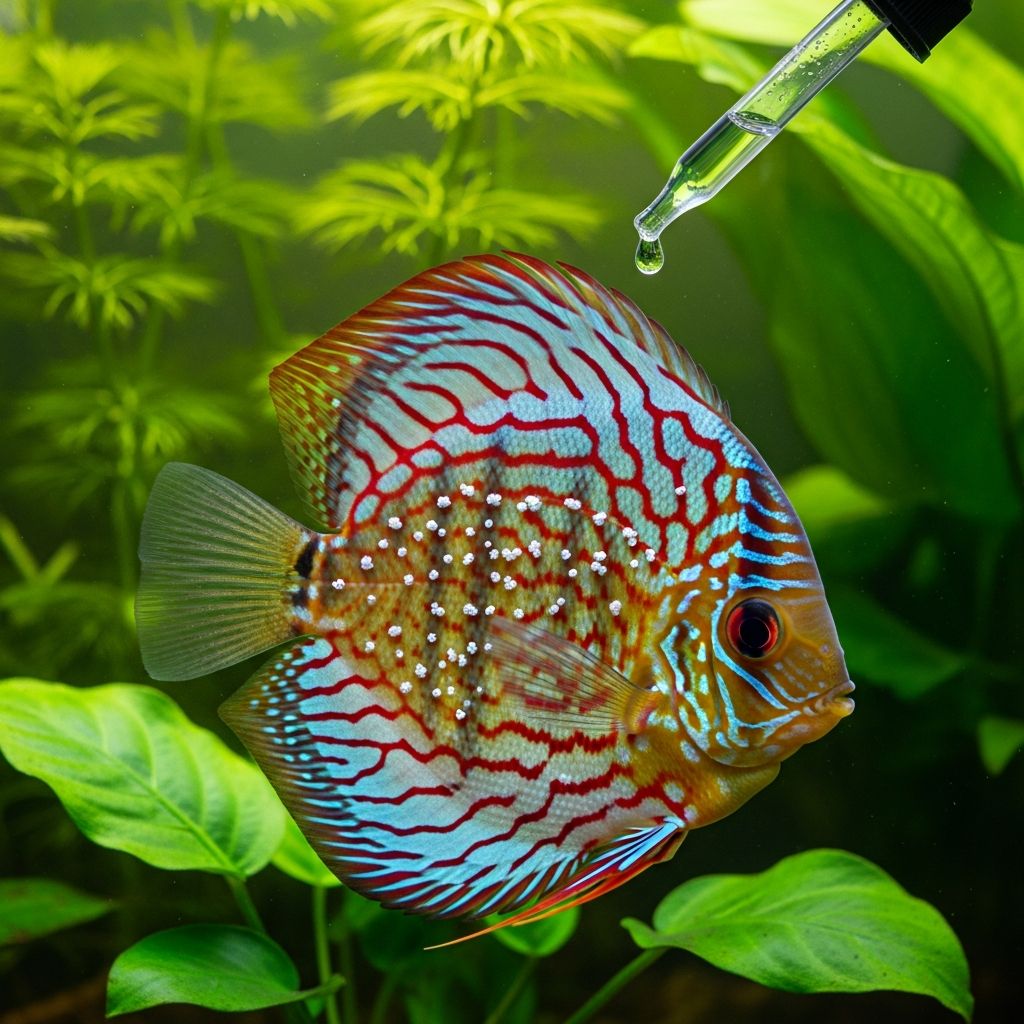
Ichthyophthirius multifiliis, commonly known as Ich or white spot disease, poses a significant threat to freshwater aquariums by manifesting as small white cysts on fish bodies, fins, and gills. Formalin, a solution of formaldehyde, serves as a reliable therapeutic agent particularly suited for tank systems, targeting the free-swimming theront stage of the parasite’s life cycle.
Understanding the Nature of Ich Parasite
The Ich parasite undergoes a complex four-stage life cycle: trophont (attached to fish), tomont (encysted in environment), cyst, and theront (infective free-swimmer). Only theronts are vulnerable to chemical interventions like formalin, necessitating repeated treatments to break the cycle. Symptoms include lethargy, clamped fins, rapid breathing, and visible white spots, often exacerbated by stress factors such as poor water quality or sudden temperature shifts.
Early detection is crucial; confirm diagnosis by observing progression over 24 hours, distinguishing Ich from similar conditions like velvet. Fish survivors may become carriers, underscoring the need for comprehensive tank treatment rather than isolating affected individuals.
Why Choose Formalin for Ich Control
Formalin excels in recirculating tank setups due to its efficacy against Ich at controlled doses, especially when gills are compromised, provided vigorous aeration is maintained. Unlike pond applications where copper sulfate is preferred, formalin minimizes environmental impact in smaller volumes while effectively disrupting parasite reproduction. Products like Parasite-S or Formacide-B deliver formalin safely for aquarium use.
Compared to alternatives, formalin pairs well with malachite green in formulations like Ich-X, enhancing potency without harming scaleless fish, plants, or invertebrates when dosed correctly.
Preparation Steps Before Treatment
- Assess Tank Conditions: Test ammonia, nitrite, nitrate, pH, and temperature. Optimal range: 75-82°F to accelerate parasite cycle without stressing fish.
- Remove Carbon Filters: Activated carbon absorbs medications; bypass or replace with mechanical filtration to maintain clarity.
- Boost Aeration: Install air stones or adjust powerheads for high oxygen levels, critical during formalin exposure.
- Calculate Volume Accurately: Measure total system water, excluding substrate voids, for precise dosing.
Detailed Formalin Treatment Protocol
Initiate treatment upon confirmation of Ich. For formalin solutions (typically 37% formaldehyde), standard dosing is 25 mg/L (or per product label, e.g., 1-2 ml per 10 gallons of 37% formalin). Repeat every 24-48 hours based on temperature: daily at 75°F+, every 3 days at 60°F.
- Day 1 – Initial Dose: Add formalin to achieve target concentration. Observe fish for 4-6 hours; distress signals include gasping or listing—perform 25% water change if needed.
- Daily Monitoring: Check for new spots; continue dosing until 48 hours post-last visible trophonts, ensuring cyst rupture releases theronts for kill.
- Water Changes: Exchange 25-50% water between doses, treating replacement volume equivalently.
- Minimum Duration: Five treatments or until zero mortality and clean fish, retesting survivors if possible.
| Temperature (°F) | Treatment Interval | Minimum Treatments |
|---|---|---|
| 75-79 | 24 hours | 7-10 days |
| 60-70 | 3-5 days | 5+ |
Note: Never halve doses for sensitive species; full strength is required for efficacy.
Supportive Therapies to Enhance Recovery
Integrate non-chemical aids to bolster fish resilience:
- Salt Addition: 0.3-0.5% NaCl (3-5 g/L) reduces osmoregulatory stress; suitable for hardy species like cichlids, avoid with loaches.
- Temperature Elevation: Gradually raise to 82°F to hasten theront release, monitoring species tolerance.
- UV Sterilization: Post-treatment, employ UV to eradicate free theronts, proven effective even at low wattages.
Avoid herbal remedies as primary treatment; reserve for mild cases or immune support.
Common Mistakes and How to Avoid Them
Premature treatment cessation allows cyst survival; always extend one day beyond clearance. Overlooking total volume leads to under-dosing; gravel vacuums remove tomonts effectively. Sensitive species like catfish may require quarantine or salt-free protocols.
- Misdiagnosis: Wait 24 hours; no improvement after 5 days signals alternative issue—discontinue and diagnose anew.
- Ignoring Aeration: Hypoxia worsens gill damage.
- Filter Disruption: Never halt filtration; mature biofilters buffer ammonia spikes.
Post-Treatment Tank Maintenance
Gradually taper formalin via 30% weekly changes over 2 weeks. Reintroduce carbon to polish water. Feed high-quality, nutrient-dense foods to regenerate slime coat. Quarantine new arrivals 4 weeks minimum to prevent reinfestation.
Prevention Blueprint for Ich-Free Aquariums
Proactive management trumps reaction:
- Quarantine New Fish: 2-4 weeks in separate systems.
- Stable Parameters: Weekly tests; pH 6.8-7.5, nitrates <20 ppm.
- Stress Minimization: Avoid overstocking, abrupt changes.
- Stock Ich-X: Keep on hand for rapid response.
Frequently Asked Questions (FAQs)
Is formalin safe for all fish?
Effective across species including scaleless catfish when aerated properly; test sensitivity with small dose first.
How long does Ich treatment take?
7-14 days typically, varying with temperature and compliance.
Can I use formalin in planted tanks?
Yes, low doses spare plants; Ich-X variants are plant-safe.
What if treatment fails?
Reevaluate diagnosis; consider velvet or bacterial secondary infection. Seek vet consult.
Does raising temperature alone cure Ich?
Speeds cycle but insufficient without medication; combine approaches.
Advanced Considerations for Breeders
In breeding setups, formalin baths (200 mg/L for 30-60 min) clear breeders pre-spawn. For large systems, integrate salinity adjustments at 4-5 ppt for 7-10 days. Research confirms formalin outperforms salt in tanks.
Maintain logs of outbreaks to correlate with stressors. UV integration prevents recurrence in display tanks.
References
- Ichthyophthirius multifiliis (White Spot) Infections in Fish — University of Florida IFAS Extension (edis.ifas.ufl.edu). 2023. https://edis.ifas.ufl.edu/publication/FA006
- How to Treat Ich or White Spot Disease on Freshwater Fish — Aquarium Co-Op. Recent (post-2023 access). https://www.aquariumcoop.com/blogs/aquarium/how-to-treat-ich-on-freshwater-fish
- 1.1.11. Ich — Aquarium Science (.edu-equivalent research summary). Recent. https://aquariumscience.org/1-1-11-ich/
- How to Treat Ich — Aquariums West. Recent. https://aquariumswest.com/blogs/helpful-articles/how-to-treat-ich
- Chemical Treatment Options for Ich — University of Florida IFAS (excerpt). 2023. https://edis.ifas.ufl.edu/publication/FA006
Similar Articles





Read full bio of medha deb