

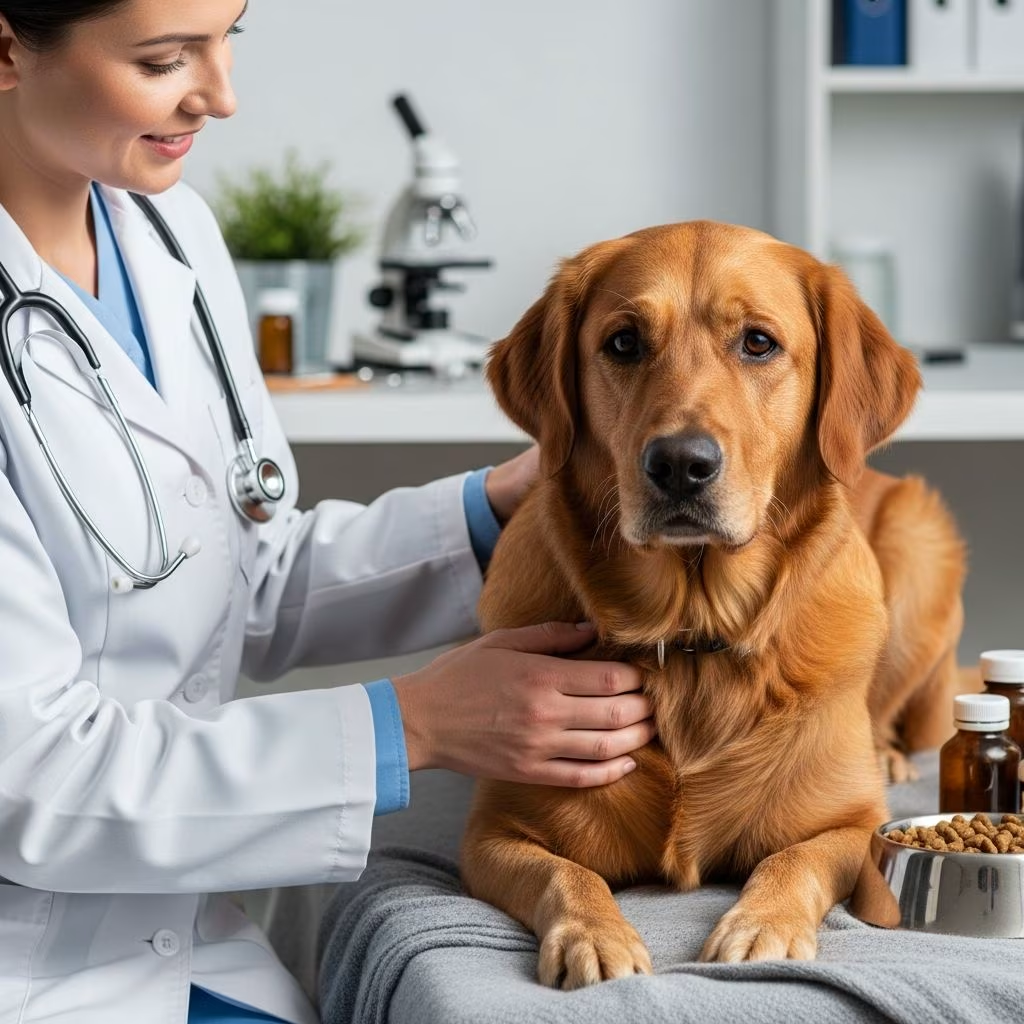
Hypothyroidism occurs when a dog’s thyroid gland fails to produce sufficient thyroid hormones, leading to widespread metabolic slowdowns that impact energy, skin health, and overall vitality. This condition is prevalent among middle-aged to older dogs, particularly certain breeds, and requires prompt veterinary attention for effective control through daily medication.
Understanding the Thyroid’s Role in Canine Health
The thyroid gland, located in the neck, secretes hormones T4 (thyroxine) and T3 (triiodothyronine) that regulate metabolism, influencing everything from heart rate to body temperature. When production drops, dogs experience systemic effects, making early recognition crucial.
Primary hypothyroidism, the most common form, stems from thyroid destruction due to immune-mediated atrophy or idiopathic reasons. Secondary cases arise from pituitary gland issues disrupting hormone signals. Unlike humans, canine hypothyroidism rarely links to dietary iodine deficiency.
Common Breeds and Risk Factors
- Golden Retrievers: High susceptibility due to genetic predispositions.
- Doberman Pinschers: Frequently affected, often with skin-related symptoms first.
- Irish Setters: Show early signs like lethargy and coat changes.
- Boxers and Cocker Spaniels: Common in middle-aged individuals.
Females and dogs over six years old face elevated risks, though any breed can develop it. Spayed or neutered status may correlate, but genetics play the dominant role.
Recognizing Early Warning Signs
Symptoms develop gradually, often mistaken for aging. Key indicators include:
- Unexpected weight gain despite stable appetite, signaling slowed metabolism.
- Lethargy and reduced exercise enthusiasm, with prolonged sleep periods.[10]
- Cold intolerance, where dogs seek warm spots frequently.
- Skin and coat issues: dry, flaky skin, excessive shedding, thinning hair (especially trunk, tail, legs), and hyperpigmentation.
- Recurrent infections in ears and skin due to weakened immunity.[10]
- Other signs: slow heart rate, high cholesterol, anemia, lameness, or fertility problems.
Owners might notice a dull coat failing to regrow after grooming or subtle behavioral shifts like mental fog.
Diagnostic Process Explained
Veterinarians start with a thorough exam and history review. Blood tests measure total T4, free T4, and TSH levels; low T4 with high TSH confirms primary hypothyroidism. False lows can occur from non-thyroid illnesses, so repeat testing or advanced assays like free T4 via equilibrium dialysis ensure accuracy.
Additional checks include cholesterol (often elevated), complete blood count for anemia, and urinalysis. Thyroid autoantibodies test for lymphocytic thyroiditis. Imaging or biopsies are rare, reserved for masses.
| Test | Expected Result in Hypothyroid Dogs | Purpose |
|---|---|---|
| Total T4 | Low | Initial screening |
| TSH | Elevated | Confirms primary issue |
| Free T4 (ED) | Low | Most accurate, rules out interferences |
| Cholesterol | High | Supports metabolic slowdown |
Diagnosis demands ruling out mimics like allergies or Cushing’s disease.
Lifelong Treatment Protocols
No cure exists; treatment involves daily oral levothyroxine (L-T4), an FDA-approved synthetic thyroxine mimicking natural hormone. Brands include Thyro-Tabs Canine and ThyroKare.
Start with 0.02 mg/kg once daily; some vets use twice-daily (0.02 mg/kg q12h) initially for steady levels. Improvements: energy in weeks, skin/coat in months. Lifelong therapy with monitoring prevents relapse.
Dosage adjusts via follow-up bloodwork at 4-6 weeks, then every 6-12 months. Feed-consistent timing avoids absorption issues from food.
Monitoring Progress and Adjustments
Post-treatment labs target T4 in upper normal range pre-pill, mid-range post-pill. Watch for over-supplementation: rapid heart rate, polydipsia, polyuria, weight loss.
- Week 2-4: Energy boost, reduced lethargy.
- Month 1-3: Weight stabilization, infection drop.
- 3-6 Months: Coat regrowth, skin normalization.
Annual exams track cholesterol, heart, and hormones. Pregnancy or growth phases may need tweaks.
Supporting Care and Lifestyle Tips
Medication anchors management, but diet aids success. High-quality, moderate-fat foods combat weight gain; omega-3 supplements soothe skin. Avoid iodine extremes or unproven herbals without vet approval.
Exercise maintains muscle, counters obesity. Regular grooming prevents secondary issues. Holistic options like selenium/zinc glandulars complement but don’t replace drugs—consult vets.
Potential Complications if Untreated
Chronic cases risk coronary artery disease, infertility, neurological deficits, or myxedema coma (rare, life-threatening hypothermia). Early intervention reverses most effects.[10]
Frequently Asked Questions
Can hypothyroidism be cured in dogs?
No, it’s managed lifelong with hormone replacement; stopping medication revives symptoms.
How quickly does treatment work?
Energy improves in weeks; full skin/coat recovery takes months.
Is levothyroxine safe long-term?
Yes, FDA-approved for dogs with proper monitoring.
Can diet alone treat it?
No, supplements support but hormone therapy is essential.
What breeds are prone?
Golden Retrievers, Dobermans, Setters, Boxers.
Prognosis with Proper Care
Treated dogs enjoy normal lifespans and vitality. Compliance yields excellent outcomes; most regain pre-disease vigor.
References
- Canine Hypothyroidism: Diagnosis and Treatment — Today’s Veterinary Practice. 2023. https://todaysveterinarypractice.com/endocrinology/canine-hypothyroidism-diagnosis-and-treatment/
- Hypothyroidism in Dogs: Causes, Symptoms, and Treatment — GoodRx. 2024. https://www.goodrx.com/pet-health/dog/signs-symptoms-of-hypothyroidism-in-dogs
- Thyroid Disease in Dogs: Causes, Signs, and Treatments — MedVet. 2023. https://www.medvet.com/thyroid-disorders-in-dogs/
- Hypothyroidism in Dogs | VCA Animal Hospitals — VCA. 2024. https://vcahospitals.com/know-your-pet/hypothyroidism-in-dogs
- Hypothyroidism | Cornell University College of Veterinary Medicine — Cornell Vet. 2023. https://www.vet.cornell.edu/departments-centers-and-institutes/riney-canine-health-center/canine-health-information/hypothyroidism
- Hypothyroidism in Dogs—There are FDA-Approved Drugs to Treat It — FDA. 2022. https://www.fda.gov/animal-veterinary/animal-health-literacy/hypothyroidism-dogs-there-are-fda-approved-drugs-treat-it



