

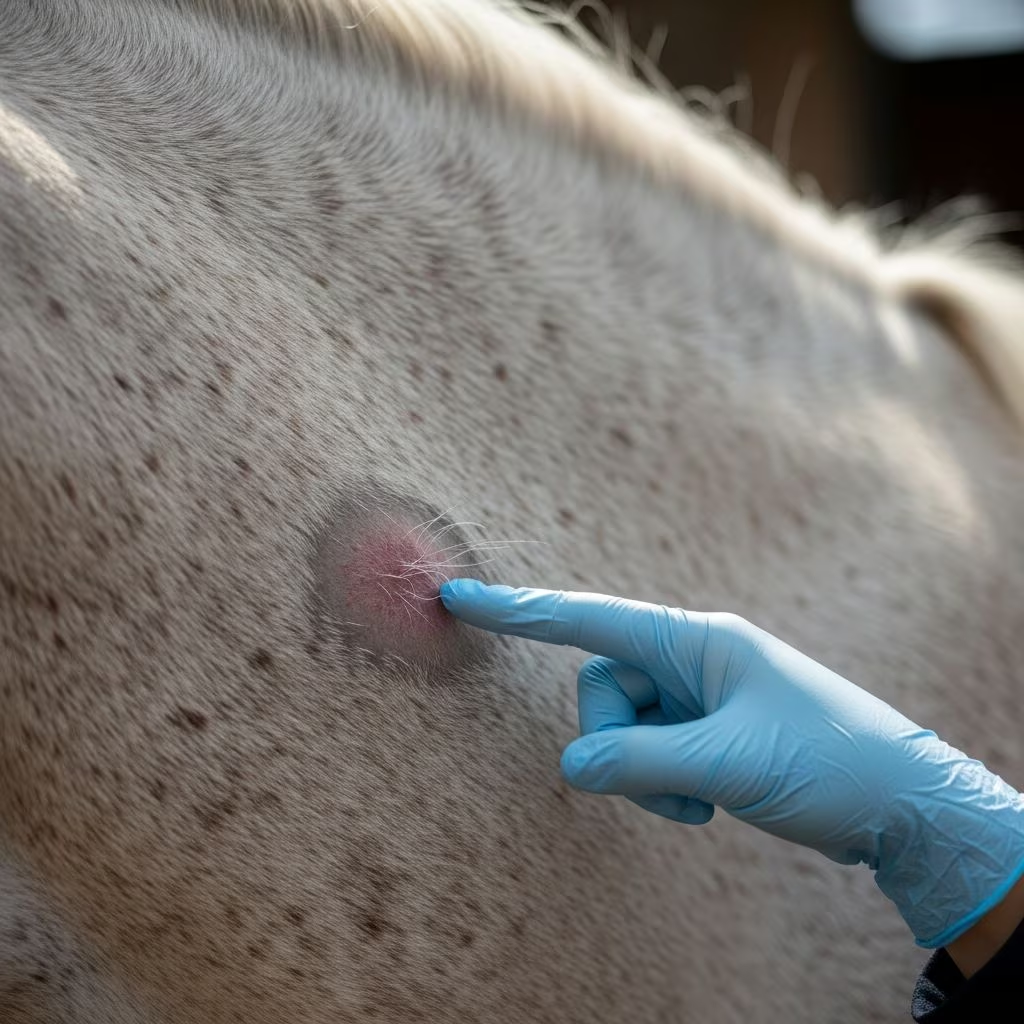
Horse skin problems range from minor irritations to serious conditions requiring veterinary intervention. Early recognition and appropriate care can prevent complications and improve recovery rates. This guide covers diagnosis, treatment options, and prevention for owners.
Recognizing Early Signs of Skin Trouble
Observe changes like redness, hair loss, crusting, or nodules. Itching, rubbing against objects, or reluctance to be saddled signal discomfort. Check legs, mane, tail, and under-saddle areas regularly, as these are prone spots. Prompt action reduces spread and severity.
Bacterial and Fungal Infections: Common Culprits
Bacterial issues often stem from damp environments, causing pus-filled lesions or scabs. Fungal problems thrive in warm, moist conditions, leading to circular patches.
Treating Pastern Dermatitis
This affects the area between hoof and fetlock, worsened by mud. Clip hair, clean crusts, and apply antibacterial or antifungal shampoos. Severe cases need antibiotics or antifungals.
Handling Rain Rot and Dermatophilosis
Rain rot features raised scabs along the back. Remove crusts gently, shampoo with chlorhexidine-based products, and keep dry. Tea tree oil aids healing in mild cases. Antibiotics treat deep infections.
Key Treatment Steps for Infections:
- Clip affected fur for better access.
- Shampoo twice weekly with medicated formulas, allowing 15-minute contact.
- Apply topical antimicrobials like silver sulfadiazine.
- Use oral broad-spectrum antibiotics for 2-6 weeks if needed.
Allergic Reactions and Insect-Related Problems
Spring and summer bring insect bites triggering intense itching. Allergies cause hives or eczema under saddles.
Sweet Itch Management
Culicoides midges provoke tail-rubbing. Reduce exposure with fly sheets and masks. Oral prednisolone (1mg/kg daily, tapered) or topical corticosteroids like hydrocortisone sprays help. Antihistamines such as hydroxyzine (0.5-1.5mg/kg) offer variable relief.
Urticaria and Hives
Sudden swelling responds to dexamethasone (0.01-0.04mg/kg). Follow with oral prednisolone if persistent.
Immune-Mediated and Autoimmune Disorders
These rare conditions involve the body attacking its skin, causing nodules or ulcers. Immunosuppression is key.
Glucocorticoid Therapy
Use prednisolone (1-4mg/kg) or dexamethasone (0.02-0.4mg/kg) orally daily. Taper once controlled. Add antimicrobials for infections.
Emerging Options
Oclacitinib (0.25-0.5mg/kg) controls itching in allergies and may aid immune issues, pending more equine studies.
Comparison of Systemic Treatments:
| Drug | Dose | Use Case | Notes |
|---|---|---|---|
| Prednisolone | 1-4 mg/kg q24h | Allergies, autoimmune | Taper after remission |
| Dexamethasone | 0.02-0.4 mg/kg q24h | Hives, inflammation | Preferred over prednisone |
| Oclacitinib | 0.25-0.5 mg/kg q24h | Pruritus control | Experimental in horses |
| Hydroxyzine | 0.5-1.5 mg/kg | Sweet itch | Variable efficacy |
Tumors and Growths on the Skin
Sarcoids, melanomas, and granulomas require specific approaches.
Sarcoid Varieties and Care
These stubborn tumors appear as colonies or single masses. Surgery or chemotherapy like cisplatin works best.
Melanoma in Gray Horses
Monitor for growth. Excise early-stage tumors; inject cisplatin for others. Research ongoing for advanced cases.
Eosinophilic Granulomas
Firm, non-itchy bumps in saddle areas. High-dose corticosteroids orally or injected, plus antibiotics if infected.
Chronic Conditions Demanding Ongoing Care
Some issues persist, needing lifelong management.
Chronic Progressive Lymphedema (CPL)
Swollen legs in draft breeds. No cure, but clip feathers, exercise daily, massage for drainage, treat mites, and maintain hooves. Compression bandaging helps.
Photosensitization
White skin blisters in sun. Shade horses, apply zinc oxide creams, and use prednisolone (1mg/kg) for 1-2 weeks.
Home Care and First Aid Essentials
Support vet treatments with these steps:
- Clean gently with warm water and approved shampoos.
- Apply barrier creams like those with sulfur or copper for greasy heel.
- Restrict turnout in wet weather; use rugs.
- Monitor for secondary infections.
Over-the-counter equine ointments soothe mild cases, but check ingredients to avoid irritation.
Prevention Strategies for Healthy Skin
Minimize risks through hygiene and environment control.
- Regular grooming removes debris.
- Insect repellents and screens block bites.
- Dry stalls prevent bacterial growth.
- Balanced nutrition supports immunity.
For high-risk horses like grays, monthly skin checks catch tumors early.
When to Call the Vet Immediately
Seek help for spreading lesions, fever, lameness, or no improvement after home care. Biopsies confirm tricky cases like sarcoids or autoimmune diseases.
Frequently Asked Questions (FAQs)
What causes most horse skin infections?
Damp conditions favor bacteria like Staphylococcus and fungi.
Can I treat sweet itch at home?
Yes, with fly protection and topicals, but severe cases need steroids.
Is rain rot contagious?
To other horses via shared tack or grooming tools.
How do I manage melanomas?
Regular exams and surgical removal for small ones.
What’s the prognosis for CPL?
Managed but not cured with diligent care.
Long-Term Wellness Tips
Integrate skin checks into routines. Nutrition with omega-3s bolsters skin barriers. Collaborate with vets for tailored plans, ensuring horses thrive year-round.
References
- How to Detect and Treat Horse Skin Conditions — Reelfoot Animal Hospital. 2024-07-30. https://www.reelfootanimalhospital.com/site/blog/2024/07/30/detect-treat-horse-skin-conditions
- Overview of the diagnosis and treatment of autoimmune skin … – PMC — PMC. 2024. https://pmc.ncbi.nlm.nih.gov/articles/PMC11339893/
- Equine skin diseases – treatment protocols in spring and summer — Vet Times. 2024. https://www.vettimes.com/news/vets/equine/equine-skin-diseases-treatment-protocols-in-spring-and-summer
- 16 Common Skin Diseases in Horses: Identification & Treatment — Mad Barn. 2024. https://madbarn.com/skin-diseases-in-horses/
- Equine Skin Conditions: First Aid Tips for Effective Management — Equine Institute. 2024. https://equineinstitute.org/blogs/horse-care-tips/equine-skin-conditions-first-aid-tips-for-effective-management
- An absolute must have to treat and prevent your horse’s skin … — Kelato. 2024. https://www.kelato.com.au/equine-articles/an-absolute-must-have-to-treat-and-prevent-your-horses-skin-conditions



