

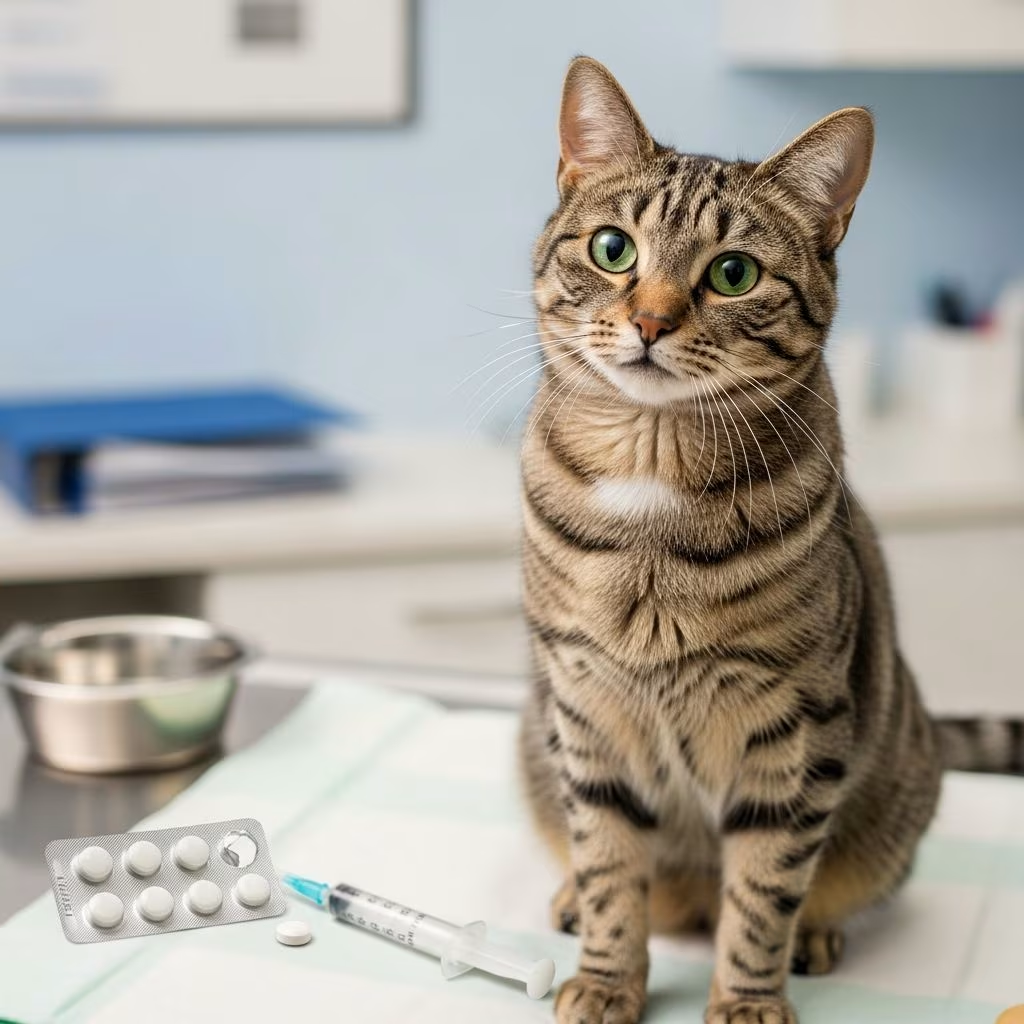
Gastritis in cats involves inflammation of the stomach lining, often leading to vomiting, reduced appetite, and discomfort. Metoclopramide, known as Reglan, serves as a key anti-emetic and prokinetic agent to control these symptoms effectively.
Understanding Feline Gastritis: Causes and Symptoms
Gastritis affects cats of all ages, triggered by dietary indiscretions, infections, parasites, toxins, or underlying conditions like inflammatory bowel disease (IBD). Acute forms arise suddenly from eating spoiled food or ingesting foreign objects, while chronic cases stem from allergies or persistent irritants.
Common signs include repeated vomiting, lethargy, abdominal pain, diarrhea, and weight loss. In severe instances, dehydration occurs rapidly due to fluid loss. Early recognition allows for prompt intervention, preventing complications like ulcers or gastric stasis.
- Vomiting: Often contains food, bile, or blood in advanced stages.
- Appetite loss: Cats may refuse meals entirely.
- Dehydration indicators: Sunken eyes, dry gums, and skin tenting.
- Behavioral changes: Hiding or reduced activity levels.
Diagnostic Approaches for Accurate Treatment
Veterinarians start with a thorough history and physical exam, followed by blood tests to check for dehydration, organ function, and infections. Fecal analysis rules out parasites, while imaging like ultrasound or X-rays detects obstructions.
Endoscopy provides direct visualization of the stomach lining, enabling biopsies for chronic cases to identify IBD or cancer. These steps ensure treatments target the root cause rather than just symptoms.
Core Role of Metoclopramide in Therapy
Metoclopramide excels as both an antiemetic, blocking nausea signals in the brain, and a prokinetic, enhancing stomach motility to prevent stasis. It proves especially useful when foreign bodies are absent, promoting food passage through the digestive tract.
Dosage typically ranges from 0.2 to 0.5 mg/kg every 8-12 hours, administered orally, subcutaneously, or intravenously based on severity. It pairs well with other medications without major interactions in most cats.
| Medication | Primary Function | Typical Dosage for Cats | Common Side Effects |
|---|---|---|---|
| Metoclopramide (Reglan) | Antiemetic & Prokinetic | 0.2-0.5 mg/kg q8-12h | Lethargy, restlessness |
| Maropitant (Cerenia) | Antiemetic | 1 mg/kg q24h SC/PO | Minimal |
| Omeprazole | Acid Reducer (PPI) | 0.7-1 mg/kg q24h | Diarrhea (rare) |
Supportive Care: Fluids and Nutritional Strategies
Fluid therapy addresses dehydration, using subcutaneous or intravenous isotonic solutions for mild to severe cases. This stabilizes the cat before introducing oral intake.
Non-medical management begins with fasting for 8-12 hours post-vomiting, followed by small water sips. If tolerated, offer bland diets like boiled chicken and rice in frequent, tiny portions. Gradually transition to hydrolyzed or novel protein foods over 3-5 days to minimize irritation.
- Monitor for vomiting resumption during refeeding.
- Use probiotics to support gut flora restoration.
- Avoid high-fat or allergenic foods initially.
Acid Suppression and GI Protectants
Proton pump inhibitors (PPIs) like omeprazole or pantoprazole reduce gastric acid, protecting the inflamed lining. H2 blockers such as famotidine or ranitidine offer similar benefits for milder cases.
Sucralfate coats ulcers, while misoprostol prevents them in high-risk scenarios. These combine with metoclopramide for comprehensive relief.
Handling Chronic Gastritis and Complications
Chronic gastritis demands long-term management, often involving steroids like prednisolone at 2 mg/kg daily, tapered gradually. Immunosuppressants such as chlorambucil may be added for refractory IBD.
Lifelong diets with novel proteins or hydrolyzed formulas, plus stress reduction, improve outcomes. Regular vet check-ups monitor progress via bloodwork and imaging.
Potential Side Effects and Monitoring
While effective, metoclopramide can cause hyperactivity, sedation, or extrapyramidal signs in rare cases. Monitor for allergic reactions or worsening symptoms, adjusting doses as needed.
Prognosis for acute gastritis is excellent with supportive care; chronic forms vary by cause, with many cats achieving remission through combined therapies.
Home Care Tips for Feline Recovery
Provide a quiet environment to reduce stress. Elevate food bowls to ease digestion. Track intake, output, and symptoms in a journal for vet consultations.
- Ensure fresh water availability.
- Prevent access to toxins or inappropriate foods.
- Follow medication schedules precisely.
FAQs on Gastritis Treatment in Cats
What is the first step when my cat shows gastritis symptoms?
Withhold food for 8-12 hours and offer small water amounts. Contact your vet if vomiting persists.
Is metoclopramide safe for all cats?
Generally yes, but avoid in seizure-prone cats or those with GI obstructions. Consult your vet.
How long does recovery take?
Acute cases often resolve in 24-48 hours; chronic management may last months.
Can diet alone cure gastritis?
It helps mild cases but severe ones require medications like metoclopramide.
When should I seek emergency care?
If dehydration worsens, blood appears in vomit, or symptoms exceed 24 hours.
Preventive Measures for Gastric Health
Maintain a consistent, high-quality diet. Deworm regularly and vaccinate against infections. Annual check-ups catch issues early.
References
- Gastritis in Cats – Petcube Blog — Petcube. 2023. https://petcube.com/blog/gastritis-in-cats/
- Gastritis in Cats – VCA Animal Hospitals — VCA Hospitals. 2024-01-15. https://vcahospitals.com/know-your-pet/gastritis-in-cats
- Gastritis in Cats – PetMD — PetMD. 2024. https://www.petmd.com/cat/conditions/digestive/c_ct_gastric_stasis
- Gastritis in Small Animals – Merck Veterinary Manual — Merck & Co. 2023-11-20. https://www.merckvetmanual.com/digestive-system/diseases-of-the-stomach-in-small-animals/gastritis-in-small-animals
- My Tummy Hurts – Cat Fanciers’ Association — CFA. 2022. https://cfa.org/cat-talk/gastritis/



