
Managing Furunculosis in Dogs
Comprehensive strategies for diagnosing, treating, and preventing furunculosis to keep your dog's skin healthy and pain-free.
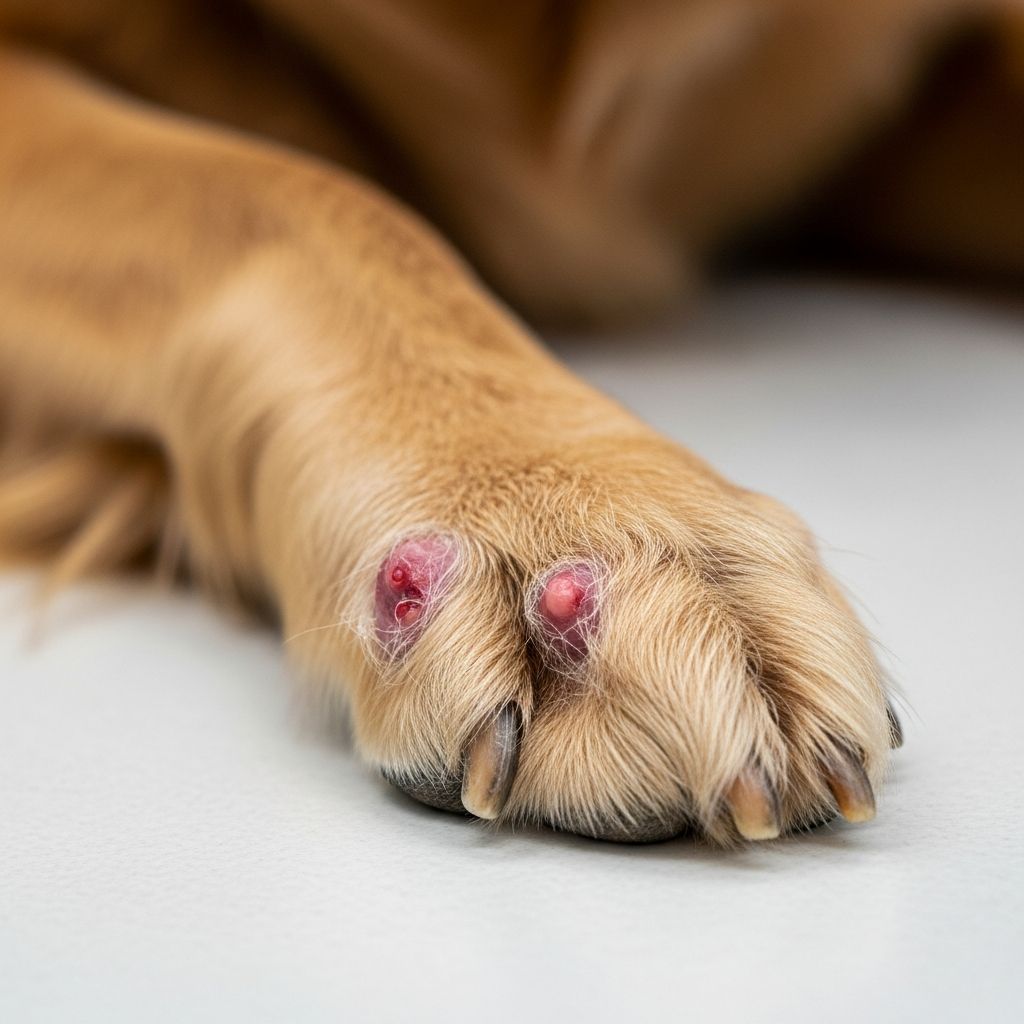
Furunculosis refers to deep bacterial infections of hair follicles in dogs, leading to painful boils, abscesses, and inflammation in specific body areas. This condition demands prompt veterinary care to alleviate discomfort and prevent complications.
Understanding the Nature of Furunculosis
Furunculosis arises when bacteria invade hair follicles, often triggered by trauma, allergies, or underlying immune issues. Common pathogens include Staphylococcus and Pseudomonas species, causing pus-filled lesions that rupture and drain. Early recognition improves outcomes, as untreated cases can lead to scarring and chronic pain.
Dogs of any breed can be affected, but those with short coats or paw trauma are at higher risk. The condition manifests differently based on location, requiring tailored diagnostic approaches.
Common Forms of Furunculosis in Canines
Furunculosis presents in distinct patterns, each with unique triggers and symptoms. Recognizing these helps in guiding treatment.
- Interdigital Furunculosis: Occurs between toes, often from foreign bodies, allergies, or friction. Lesions appear as red swellings that progress to draining cysts.
- Anal Furunculosis: Affects the perianal region, linked to immune-mediated factors. Deep tracts form, causing scooting and defecation pain.
- Facial Furunculosis: Limited to the muzzle and lips, starting as papules that evolve into painful pustules.
- Post-Grooming Furunculosis: Follows clipping, with rapid onset of widespread boils due to skin trauma.
- Acral Lick Furunculosis: Results from excessive licking, forming thickened, ulcerated nodules on limbs.
Spotting the Warning Signs
Symptoms vary by type but share hallmarks like swelling, pain, and discharge. Dogs may limp, lick excessively, or show fever. For interdigital cases, toe webbing reddens and nodules form; anal types cause bloody stools and posture changes.
| Type | Key Symptoms | Common Locations |
|---|---|---|
| Interdigital | Limping, paw licking, pus-filled cysts | Between toes |
| Anal | Scooting, tail chasing, fistulas | Perianal area |
| Facial | Muzzle swelling, mild itching | Lips and chin |
| Post-Grooming | Sudden red lumps, fever, pain | Trunk, legs |
Monitor for progression: small bumps enlarge into boils, potentially scarring tissue if ignored.
Diagnostic Approaches for Accurate Identification
Veterinarians start with history and physical exams, noting lesion distribution and triggers like grooming or allergies. Cytology reveals bacteria or eosinophils; biopsies confirm eosinophilic types.
Culture and sensitivity tests guide antibiotic choice, essential for resistant strains like MRSA. Allergy testing identifies environmental or food contributors in recurrent cases. Imaging or endoscopy aids anal furunculosis assessment.
Core Treatment Strategies
Treatment combines addressing infections, reducing inflammation, and tackling root causes. Duration often spans 4-8 weeks or longer for chronic issues.
Antimicrobial Therapies
Topical agents like chlorhexidine soaks clean lesions daily. Systemic antibiotics (e.g., cephalosporins, fluoroquinolones) target deep infections; culture-based selection prevents resistance. For fungal co-infections, antifungals are added.
Anti-Inflammatory and Pain Management
Short-term glucocorticoids (e.g., prednisone 1-2 mg/kg) control severe swelling, tapered over weeks. Alternatives like pentoxifylline reduce inflammation without immunosuppression. NSAIDs, tramadol, or gabapentin ease pain.
Supportive Home Care
- Daily paw soaks in antiseptic solutions (10-15 minutes).
- Topical mupirocin or polymyxin ointments.
- Prevent licking with cones or bandages.
- Clip hair with scissors, avoiding clippers.
Advanced Interventions for Stubborn Cases
Immunosuppressants like cyclosporine (4-8 mg/kg/day) excel in anal furunculosis, inducing remission in most dogs. Allergen-specific immunotherapy benefits 70% of allergic patients after one year.
Laser surgery removes scar tissue or pseudopads in chronic interdigital disease, requiring anesthesia and bandaging. Surgery is last-resort for anal fistulas unresponsive to meds.
Preventing Recurrence Through Lifestyle Changes
Control allergies with hypoallergenic diets and flea prevention. Maintain paw hygiene, avoiding irritants. For lick granulomas, redirect behaviors with puzzles or exercise.
Regular vet check-ups monitor progress. Environmental cleanliness curbs reinfection.
Potential Complications and Prognosis
Untreated furunculosis leads to fibrosis, lameness, or sepsis. With compliant treatment, most achieve remission; anal cases may need lifelong management. Eosinophilic variants respond well to steroids.
Frequently Asked Questions
What causes furunculosis in dogs?
Bacterial invasion of follicles, often secondary to allergies, trauma, or poor hygiene.
How long do treatments last?
Typically 4-8 weeks, extendable for deep infections.
Can furunculosis spread to humans?
Rarely, but maintain hygiene.
Is surgery always needed for anal furunculosis?
No, medical management succeeds in most.
What home remedies help?
Epsom salt soaks and cleanliness, but consult vets first.
References
- Eosinophilic Folliculitis/Furunculosis in a Dog — Today’s Veterinary Practice. 2023. https://todaysveterinarypractice.com/dermatology/eosinophilic-folliculitis-furunculosis-in-a-dog/
- Furunculosis In Dogs: A Comprehensive Guide For Dog Owners — Kingsdale Animal Hospital. 2024. https://www.kingsdale.com/furunculosis-in-dogs-a-comprehensive-guide-for-dog-owners
- Interdigital furunculosis: medical and surgical options — dvm360. 2022. https://www.dvm360.com/view/interdigital-furunculosis-medical-and-surgical-options
- Interdigital furunculosis in dogs — Unleashed Veterinary Dermatology. 2023. https://www.unleashedvetderm.com/furunculosis/
- Interdigital Furunculosis in Dogs — Merck Veterinary Manual. 2024. https://www.merckvetmanual.com/integumentary-system/interdigital-furunculosis/interdigital-furunculosis-in-dogs
- Abscesses Between the Toes (Interdigital Furunculosis) in Dogs — MSD Veterinary Manual. 2024. https://www.msdvetmanual.com/dog-owners/skin-disorders-of-dogs/abscesses-between-the-toes-interdigital-furunculosis-in-dogs
- Managing Anal Furunculosis in Dogs — VetFolio. 2023. https://www.vetfolio.com/learn/article/managing-anal-furunculosis-in-dogs
Similar Articles








Read full bio of Sneha Tete




