

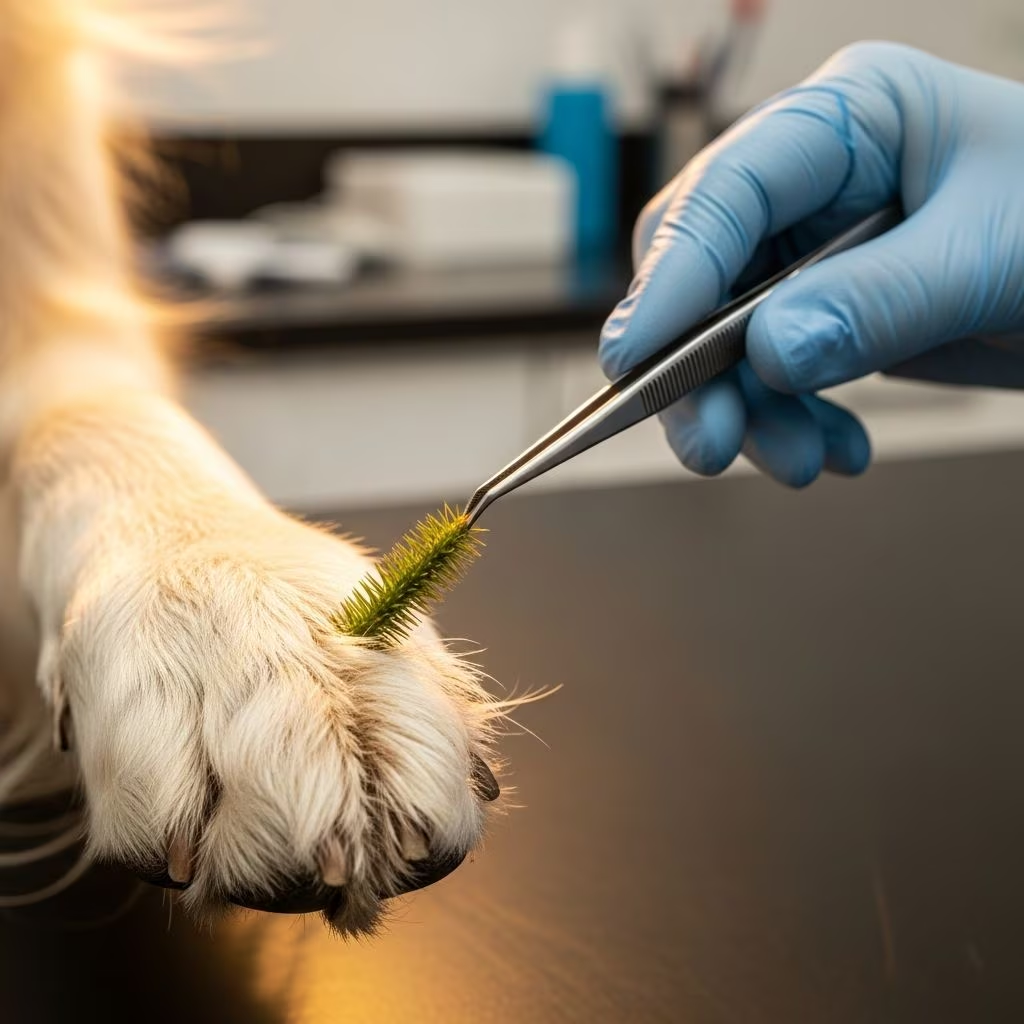
Foxtails represent a significant seasonal hazard for dogs, particularly those who spend time in grassy or rural environments. These barbed seed heads, also known as grass awns, possess a unique structure that allows them to embed themselves in a dog’s fur, skin, and internal tissues with remarkable ease. Understanding the nature of these plant materials and how they affect canine health is essential for any pet owner living in regions where they proliferate. This comprehensive guide explores the full scope of foxtail-related injuries and provides actionable strategies for management and prevention.
Understanding the Foxtail Threat
Foxtails consist of seed clusters with distinctive barbed structures designed by nature to penetrate and travel through vegetation and animal fur. When a dog encounters these plant materials during outdoor activities, the barbs catch on fur and skin, making removal increasingly difficult as the dog moves. The barbed design creates a one-way mechanism—the foxtail easily moves forward but resists backward extraction. This characteristic makes foxtails particularly dangerous because they can migrate deeper into tissues over time, potentially causing severe complications if left untreated.
The risk period for foxtail injuries typically extends from late spring through early fall, though timing varies by geographic location. Dogs with longer coats or those who frequently explore tall grass face elevated risk levels. Certain activities, such as hiking or playing in open fields, increase the likelihood of foxtail encounters significantly.
Recognizing Foxtail Injuries in Paw Pads
Paw injuries represent the most common location where foxtails lodge in dogs. The pads provide an ideal entry point because they lack protective fur coverage and come into direct contact with ground vegetation. Early recognition of foxtail injuries allows for less invasive treatment options before complications develop.
Behavioral and Physical Indicators
Dogs with foxtails embedded in their paws typically display distinctive behavioral changes that warrant immediate attention. These signs include:
- Continuous licking or chewing of the affected paw, often to the point of causing additional injury
- Visible limping or reluctance to bear weight on the injured limb
- Noticeable favoring of one paw while walking or standing
- Swelling between the toes or across the paw pad
- Redness and warmth in the affected area indicating inflammation
- A small visible hole or puncture site on the paw
- Development of an abscess or bump formation on the paw or lower leg
Some dogs may not show immediate symptoms, with signs appearing only after several days or even weeks have passed. This delayed presentation occurs because foxtails travel slowly through tissue, and the body’s inflammatory response takes time to manifest visibly. Pet owners should monitor their dogs’ behavior during and after outdoor activities in areas where foxtails grow, paying special attention to paw condition and gait changes.
Immediate Response Strategies
Initial Assessment and Visible Foxtail Removal
When you discover a foxtail on your dog’s paw, quick and gentle action can prevent deeper embedding. If the foxtail is readily visible on the surface of the skin or between the toes, you may be able to remove it using basic tools available at home.
Hand removal works best when the foxtail is still partially exposed. Grasp it firmly but gently and pull slowly in a straight motion, keeping tension consistent throughout the extraction. Jerky movements can break off portions of the barbed structure, leaving fragments embedded in the skin.<
Tweezers removal offers more control and precision, particularly for foxtails that have partially penetrated the skin. Use blunt-tipped tweezers rather than sharp-pointed ones to minimize tissue damage. Pinch the foxtail near its base and withdraw slowly, maintaining steady pressure. The goal is complete removal of both the visible seed head and the barbed base structure, as any remaining fragments can continue to migrate through tissues.<
After removal, thoroughly wash the affected area with antibacterial soap and clean tap water to reduce infection risk. Allow the area to air dry or gently pat it dry with a clean cloth.
Managing Embedded Foxtails
When foxtails have become embedded beneath the skin surface, different approaches become necessary. Warm water soaking represents a non-invasive first-aid technique that encourages the body’s natural healing response. Soak the affected paw in plain warm water for 15 minutes, repeating this process two to three times daily for three consecutive days.< This treatment stimulates abscess formation, which can eventually rupture and expel the foxtail naturally.
If an abscess forms and ruptures, continue soaking the paw in antiseptic water for several additional days to prevent secondary infection and promote complete healing. However, if the foxtail does not spontaneously expel within this timeframe, veterinary intervention becomes necessary.
Advanced Treatment Options
When Professional Veterinary Care Is Necessary
Certain situations demand immediate veterinary attention rather than home treatment attempts. Contact your veterinarian if:
- The foxtail remains embedded after three days of soaking treatment
- You observe bumps or swelling forming in multiple areas of the paw or along the leg
- Signs of infection develop, including increased redness, warmth, discharge, or odor
- Your dog shows signs of systemic infection such as fever or lethargy
- The foxtail appears to be deeply embedded or you cannot visualize its full structure
- Your dog is in significant pain or displaying behavioral distress
Veterinarians possess specialized equipment and expertise to locate and safely remove embedded foxtails. After local anesthesia numbs the area, the veterinarian will probe the wound to locate the foxtail completely. Incomplete removal leaves fragments that continue their migration, potentially causing additional complications.<
Surgical Intervention
When foxtails have migrated deep into tissue or traveled up the leg, surgical exploration becomes necessary. Your veterinarian will anesthetize your dog to ensure comfort and prevent movement during the procedure. Using surgical instruments, the veterinarian carefully explores the affected tissue to locate the foxtail, then removes it completely.< Your dog will receive pain medication and may be prescribed antibiotics to prevent secondary infection during recovery.
Foxtail Injuries Beyond the Paws
Ocular Foxtail Injuries
Foxtails that lodge in or around the eyes pose serious risks, potentially causing corneal scratches, ulcers, conjunctivitis, and vision loss. Dogs with eye foxtails display excessive squinting, eye discharge, or an eye held shut. While some recommend manual removal of visible foxtails from the third eyelid using tweezers or dampened cotton swabs, this approach risks incomplete removal or deeper embedding.<
Instead, minimize eye contact by preventing your dog from pawing at the affected area and transport them immediately to a veterinarian, preferably a veterinary ophthalmologist. The veterinarian will apply numbing medication and carefully extract the foxtail under direct visualization. Anxious or uncooperative dogs may require sedation to ensure safe removal.
Nasal and Otic Foxtail Injuries
Foxtails in the nose trigger violent, explosive, serial sneezing and may produce slight bloody discharge. Unlike paw injuries, nasal foxtails represent true emergencies—there is no effective first-aid treatment. Seek immediate veterinary care, as nasal foxtails can potentially migrate toward the brain.<
Ear foxtails cause chronic irritation with risks of infection, eardrum damage, and hearing loss. Veterinarians use an otoscope to visualize the ear canal and alligator forceps to extract the embedded foxtail. Sedation is often necessary for safe removal.
Complementary and Alternative Approaches
Homeopathic Remedies
Some veterinarians and holistic practitioners incorporate homeopathic remedies alongside conventional treatment. Silica, also called Silicea, represents the most commonly recommended remedy for promoting foxtail expulsion. This substance is believed to encourage the body to push out foreign objects through natural processes.< Typical dosing involves 2-3 pellets of Silica 30C or 6C, administered three times daily, discontinued once improvement appears.
Hepar Sulphuris may help when infection develops alongside the foxtail injury. This remedy is associated with drawing abscesses to a head, facilitating drainage and expulsion of infected material.<
Chamomilla addresses pain sensitivity in dogs where even slight touch causes distress and vocalization. Dosing follows similar protocols to other homeopathic remedies.<
Epsom Salt Soaks
Warm Epsom salt soaks provide complementary support for foxtail management. Soak the affected paw in warm water containing Epsom salts three times daily, with treatment typically requiring only 3-5 days.< This approach combines the benefits of heat and mineral content to reduce inflammation and encourage healing.
Prevention and Risk Reduction
Environmental Awareness
Understanding foxtail distribution patterns and seasonal timing allows for strategic activity planning. During peak foxtail season in your region, avoid walking dogs through tall grass or wild vegetation where these plants proliferate. Stick to maintained paths and groomed areas when possible.
Post-Outdoor Inspection
After each outdoor excursion in areas where foxtails may be present, conduct a thorough inspection of your dog’s coat and paws. Pay particular attention to:
- Between the toes and toe pads
- Inside ear flaps
- Around the eyes and eyelids
- Along the abdomen and chest where the coat is typically thinner
- In the armpits and groin area
Remove any visible foxtails immediately using the hand or tweezers technique described earlier. Prompt removal prevents embedding and eliminates the risk of migration.
Coat Management
Regular brushing throughout the foxtail season reduces the likelihood of foxtails catching and embedding in long fur. Dogs with shorter coats face inherently lower risk, but no coat length provides complete protection. Trim excess fur around the paws and between toes to reduce foxtail trapping sites.
Frequently Asked Questions
Can foxtails dissolve on their own?
No. Foxtails do not dissolve or break down naturally. Without removal, they continue to migrate through tissue, potentially causing serious complications. The only effective treatment is complete removal of the entire foxtail structure, including all barbed segments.
How long can a foxtail remain in a dog’s body?
Foxtails can persist for weeks or months if not removed, all while migrating through tissue and causing progressive damage. Early removal prevents this extended complication and reduces tissue trauma.
Will antibiotics alone treat a foxtail injury?
No. While antibiotics address infection symptoms, they cannot remove the foreign object causing the problem. The foxtail must be physically extracted for true resolution.<
Is it safe to wait and see if the foxtail expels naturally?
Waiting risks serious complications. While some foxtails may eventually abscess and rupture naturally, this process takes time during which the foxtail migrates and causes additional tissue damage. Professional removal prevents these complications.
Summary and Key Takeaways
Foxtail injuries in dogs require prompt recognition and appropriate response to prevent serious complications. While visible, easily accessible foxtails can sometimes be removed at home using gentle techniques and basic tools, embedded or suspected foxtails warrant veterinary evaluation. The barbed structure of these plant materials prevents them from resolving without intervention, and delayed treatment increases the risk of migration, abscess formation, and systemic infection.
By remaining vigilant during foxtail season, conducting thorough post-outdoor inspections, and seeking professional help when needed, pet owners can protect their dogs from these seasonal hazards. Prevention through environmental awareness and coat management provides the most effective long-term protection against foxtail injuries.
References
- Symptoms and Treatment of Foxtail Invasions in Dogs — Whole Dog Journal. Accessed 2026. https://www.whole-dog-journal.com/care/symptoms-and-treatment-of-foxtail-invasions-in-dogs/
- How To Spot And Remove Dangerous Foxtails From Your Dog’s Fur — Dogs Naturally Magazine. Accessed 2026. https://www.dogsnaturallymagazine.com/remove-foxtails-from-dog/
- Foxtails and Dogs — UC Davis School of Veterinary Medicine Animal Health Topics. Accessed 2026. https://healthtopics.vetmed.ucdavis.edu/health-topics/foxtails
- Fun with Foxtails — Animalkind Vet Clinic. Accessed 2026. https://animalkindvet.com/fun-foxtails/



