Managing Food Guarding in Dogs
Discover effective strategies to prevent and resolve food guarding behaviors in dogs for a safer, happier home environment.
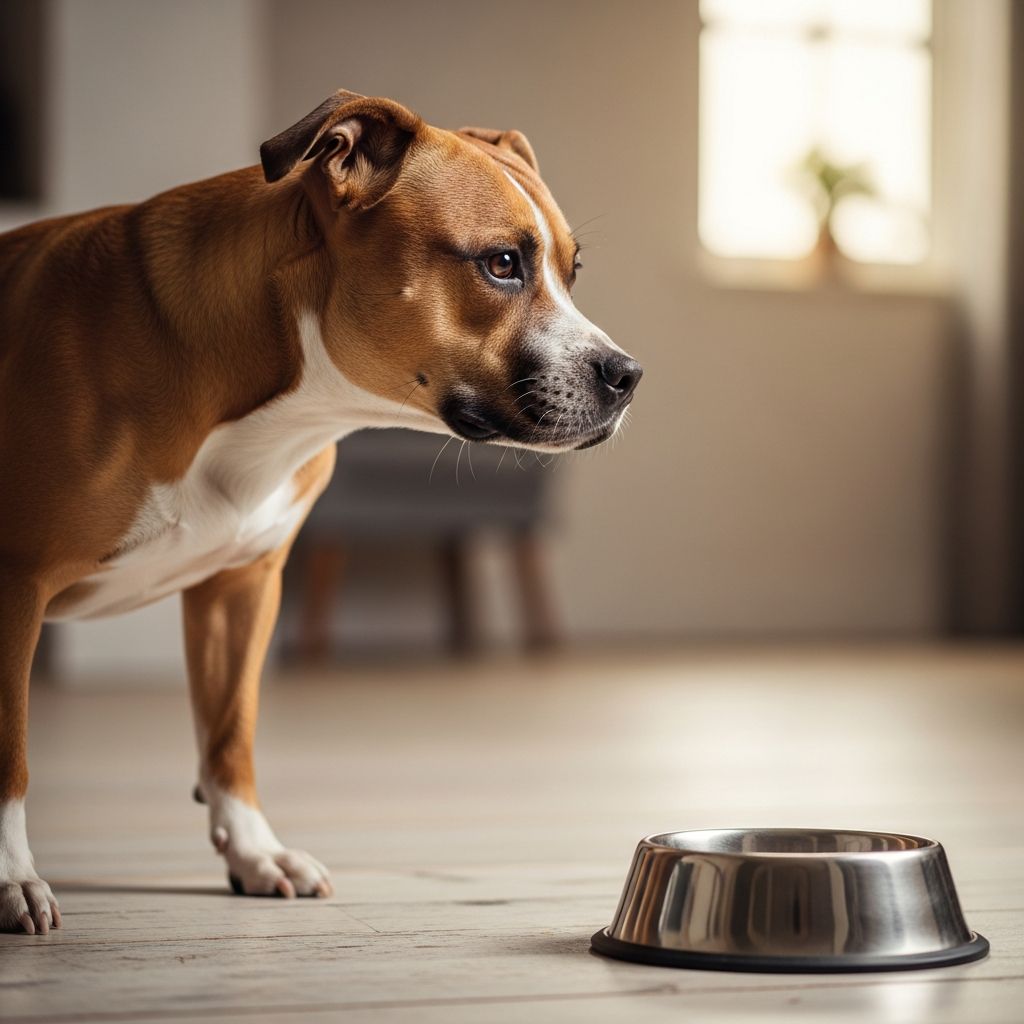
Food guarding occurs when dogs display protective or aggressive behaviors around their meals to safeguard valuable resources. This natural instinct, rooted in survival, can pose safety risks in households if not addressed properly.
Understanding the Instinct Behind Food Protection
Dogs guard food due to a mix of genetic predispositions, early life experiences, and environmental factors. In wild ancestors, securing food meant survival, and this trait persists in domestic dogs. Puppies from competitive litters or those with limited resources during development often learn to protect meals aggressively.
Medical conditions can exacerbate this behavior. Pain from dental issues, arthritis, or nutritional deficiencies heightens irritability, making dogs more likely to snap near their bowl. Always consult a veterinarian first to rule out health problems, as treating underlying issues may resolve guarding without further intervention.
Recognizing Early Warning Signs
Food guarding exists on a spectrum, from subtle cues to overt aggression. Mild signs include freezing, stiffening, or giving hard stares when approached during eating. More intense displays involve growling, baring teeth, or lunging.
- Body language indicators: Ears pinned back, tail tucked, or whale-eye (whites visible).
- Behavioral escalations: Snapping or biting if proximity increases.
- Contextual triggers: Common around bowls, treats, or high-value chews.
Owners unaware of these signals may inadvertently reinforce the behavior by avoiding the dog during meals, missing opportunities for prevention.
Prevention Strategies for Puppies and New Dogs
The most effective approach is proactive training from an early age, teaching dogs that human interaction near food brings rewards. Start with puppies to build positive associations before habits form.
Hand-Feeding Basics
Hand-feeding meals creates trust. Divide kibble into portions and deliver by hand, gradually introducing the bowl while maintaining control. This reassures dogs that hands mean food, not theft.
Positive Approach Conditioning
During meals, approach calmly, say the dog’s name, and drop higher-value treats near the bowl if they look up. Repeat to associate your presence with bonuses. Progress to requiring them to move away briefly for treats before returning.
| Prevention Step | Description | Frequency |
|---|---|---|
| Daily Hand-Feeding | Feed 100% of meals from hand initially | Every meal for 1-2 weeks |
| Treat Dropping | Approach and add treats during eating | 3-5 times per session |
| Name Response | Call name, reward glance away from bowl | Occasionally during meals |
For adopted dogs from shelters, where food scarcity may have occurred, implement these slowly to rebuild security.
Addressing Existing Food Guarding Behaviors
For dogs already showing guarding, prioritize safety through management before training. Feed in isolation to prevent incidents while working on modification.
Desensitization Techniques
Gradually expose the dog to approaches at a distance where they remain relaxed. Pair with high-value rewards to shift emotional responses. If tension appears, increase distance and retry.
Counterconditioning Protocols
Counterconditioning changes the dog’s emotional reaction. Start far from the trigger, then closer, always delivering treats upon approach. Over time, the dog anticipates good outcomes.
- Observe threshold distance where no stress shows.
- Approach to that point, toss treat, retreat.
- Repeat 5-10 times daily, advancing proximity gradually.
Teaching Trade-Up Skills
Train “leave it” and “drop it” commands using positive reinforcement. Offer something better in exchange, ensuring the dog chooses to release voluntarily. Practice with low-value items first, progressing to meals.
Day 1: Trade kibble for wet food bits.
Day 2: Increase value slightly.
Day 3: Floor items for superior trades.
Resource Guarding in Multi-Dog Homes
Competition intensifies in households with multiple dogs. Provide ample resources—separate bowls, toys, and resting spots—to reduce conflict. Feed separately initially, monitoring for relaxed reunions post-meal.
Use management: List triggers (e.g., shared toys) and restrict access until training progresses. Positive reinforcement fosters relaxation around shared spaces.
Common Mistakes to Avoid
- Forced Removal: Yanking bowls or items heightens fear and aggression.
- Punishment: Scolding reinforces anxiety rather than trust.
- Inconsistent Feeding: Irregular schedules create scarcity mindset.
- Ignoring Medical Checks: Untreated pain perpetuates issues.
Patience is key; progress may take weeks. If aggression escalates, seek certified professional trainers using force-free methods.
Creating a Secure Feeding Environment
Designate quiet feeding zones, like crates, free from interruptions. Ensure constant access to fresh water and sufficient portions to meet nutritional needs, minimizing perceived threats.
Long-term, maintain occasional trades and approaches with treats to sustain positive habits.
Frequently Asked Questions (FAQs)
What if my dog guards toys, not just food?
Apply similar desensitization and trade training, starting with lower-value items. Consistency across resources prevents generalization.
Is food guarding genetic?
Partly yes, combined with experiences. Selective breeding may influence tendencies, but training overrides.
Can puppies outgrow it?
Without intervention, it often worsens. Early prevention ensures lifelong calm.
When to see a professional?
If bites occur or training stalls, consult a veterinary behaviorist.
How long does training take?
Typically 2-8 weeks with daily practice, varying by dog.
References
- Preventing Food Guarding — AVSAB. Accessed 2026. https://avsab.org/preventing-food-guarding/
- Why Resource Guarding in Dogs Is a Problem & What to Do About It — Cincinnati Family Vet. Accessed 2026. https://www.cincinnatifamilyvet.com/services/dogs/blog/why-resource-guarding-dogs-problem-what-do-about-it
- Preventing Puppy Resource Guarding — American Kennel Club. Accessed 2026. https://www.akc.org/expert-advice/training/preventing-resource-guarding/
- Dealing With Resource or Food Guarding in Dogs — Taste of the Wild. Accessed 2026. https://www.tasteofthewildpetfood.com/articles/training-and-behavior/food-guarding-dogs/
- How to Stop Food Aggression and Resource Guarding in Dogs — Best Friends Animal Society. Accessed 2026. https://bestfriends.org/pet-care-resources/how-stop-food-aggression-and-resource-guarding-dogs
- How to Prevent Resource Guarding in a Multiple-dog Household — Clicker Training. Accessed 2026. https://clickertraining.com/how-to-prevent-resource-guarding-in-a-multiple-dog-household/
Similar Articles








Read full bio of medha deb