

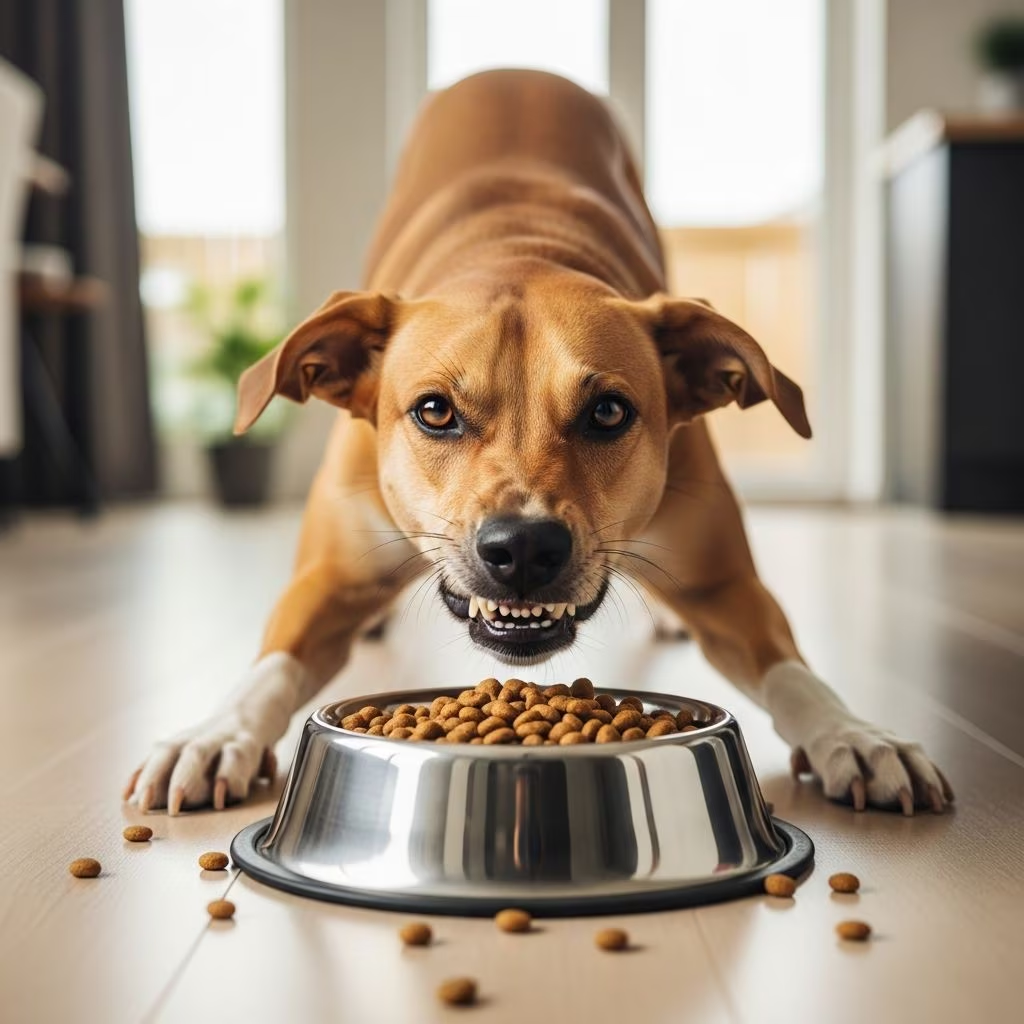
Food guarding, often called food aggression, occurs when dogs display defensive behaviors around their meals, treats, or high-value items to protect them from perceived threats. This instinctive response can range from subtle warnings to dangerous actions, but with consistent management, most cases improve significantly.
Recognizing the Warning Signals
Dogs communicate discomfort through body language before escalating. Early detection allows owners to intervene safely without confrontation.
- Subtle cues: Freezing in place, stiff posture, or rapid gulping to consume food quickly indicate tension.
- Verbal warnings: Low growls, lip curling, or teeth baring serve as audible alerts to back away.
- Physical threats: Lunging, snapping, or biting mark severe stages, demanding immediate professional input.
These signals intensify with high-value items like meaty bones over standard kibble, as dogs prioritize scarce resources.
Root Causes Behind the Behavior
Understanding origins helps tailor solutions. Food guarding stems from a mix of biology, history, and environment.
| Cause Category | Description | Examples |
|---|---|---|
| Instinctual | Survival mechanism from wild ancestors guarding limited resources. | Competition with littermates in communal feeding. |
| Genetic | Breeds with guarding heritage show higher tendencies. | German Shepherds, Dobermans, or mixed breeds inheriting traits. |
| Environmental | Past scarcity or punishment around meals reinforces defensiveness. | Rescues from hoarding situations or abusive homes. |
| Health-Related | Pain or discomfort heightens reactivity. | Dental issues, GI problems, or arthritis limiting mobility. |
Anxiety exacerbates guarding; stressed dogs view approaches as threats to their security.
Assessing Severity Levels
Classify behaviors to gauge risk and plan accordingly.
- Mild: Growling or teeth showing upon approach—manageable at home with basics.
- Moderate: Snapping or lunging—requires structured counter-conditioning.
- Severe: Biting incidents—veterinary behaviorist essential to rule out medical issues.
Multiple aggression types (e.g., toward strangers) complicate prognosis, signaling broader challenges.
Safe Management Strategies
Never punish; it heightens fear and worsens outcomes. Focus on positive associations instead.
Building Positive Associations
Teach dogs that human presence predicts good things.
- Start at a distance: Approach calmly, toss treats better than the guarded item, then retreat.
- Gradually close distance as relaxation builds, always rewarding calm responses.
- Progress to hand-feeding meals to link hands with provision.
Consistency across family members prevents confusion.
Practical Feeding Adjustments
- Use puzzle toys or scatter feeding to reduce bowl fixation.
- Feed in quiet areas away from high-traffic zones.
- Avoid free-feeding; scheduled meals enhance predictability.
Desensitization Techniques
Slow exposure reduces reactivity over time.
- Practice “drop it” with low-value toys first, trading up to higher rewards.
- Touch bowl lightly during meals, pairing with treats if calm.
- Introduce fake hand tools for safe practice if needed.
Prevention from Puppyhood
Early intervention yields best results. Puppies showing guarding by 16 weeks warrant vet checks.
- Separate feeding for litters to curb competition.
- Regular handling during meals builds tolerance.
- Socialize broadly, exposing to varied scenarios positively.
Basic obedience like “sit” and “leave it” boosts confidence, countering fear-based guarding.
When to Seek Professional Help
DIY works for mild cases, but escalate if:
- Behaviors intensify despite efforts.
- Children or vulnerable individuals are present.
- Biting occurs or aggression spreads beyond food.
Consult Certified Applied Animal Behaviorists, veterinary behaviorists, or CPDTs. They use science-backed protocols for lasting change.
Common Myths Debunked
| Myth | Reality |
|---|---|
| Eating from the bowl while dog watches cures it. | This mimics challenge, potentially escalating fear. |
| It’s dominance; dominate back. | Rooted in fear/anxiety, not status—punishment backfires. |
| All dogs outgrow it. | Untreated cases often worsen with maturity. |
Health Checks First
Rule out medical contributors via vet exams. Pain amplifies defensiveness, and treatment can resolve behaviors.
FAQs
Is food guarding normal?
Yes, among dogs it’s common, but unacceptable toward humans. Management makes coexistence safe.
How long does training take?
Weeks to months, depending on severity and consistency. Patience is key.
Can medication help?
In anxiety-driven cases, vets may prescribe alongside behavior modification.
What if my dog guards toys too?
It’s resource guarding broadly—apply similar techniques to all valued items.
Are certain breeds worse?
Guarding breeds prone, but any dog can develop it based on experiences.
Long-Term Success Tips
Maintain protocols lifelong. Monitor stress triggers like routine changes, addressing promptly. Enroll in group classes for socialization reinforcement. Track progress in a journal to celebrate gains and adjust as needed.
With dedication, food guarding transforms from risk to rarity, fostering trust between dog and owner.
References
- Food Aggression – Collaborative for Shelter Dogs — Tufts University. Accessed 2026. https://sites.tufts.edu/collaborativeforshelterdogs/dog-behavior/problems-and-management/food-aggression/
- Food Aggression in Dogs – Symptoms, Causes, Diagnosis — WagWalking. Accessed 2026. https://wagwalking.com/condition/food-aggression
- Food Aggression in Dogs: What You Need to Know — Lemonade Pet Insurance. Accessed 2026. https://www.lemonade.com/pet/explained/food-aggression-dogs/
- Understanding Dog Food Aggression and How to Manage It — Best Friends Veterinary Center. Accessed 2026. https://bestfriendsvet.org/blog/dog-food-aggression/
- Dog Food Aggression | Resource Guarding Facts + Infographic — Sniffspot. Accessed 2026. https://www.sniffspot.com/blog/dog-training/how-to-deal-with-food-aggression-in-dogs-facts-infographic
- How to Address Food Aggression in Dogs — Hill’s Pet Nutrition. Accessed 2026. https://www.hillspet.com/dog-care/behavior-appearance/food-aggression-in-dogs
- Food Guarding — ASPCA. Accessed 2026. https://www.aspca.org/pet-care/dog-care/common-dog-behavior-issues/food-guarding



