Food Guarding In Dogs: 7 Proven Strategies For Safe Feeding
Discover effective strategies to address and prevent food guarding behaviors in dogs for a safer home environment.
Managing Food Guarding in Dogs
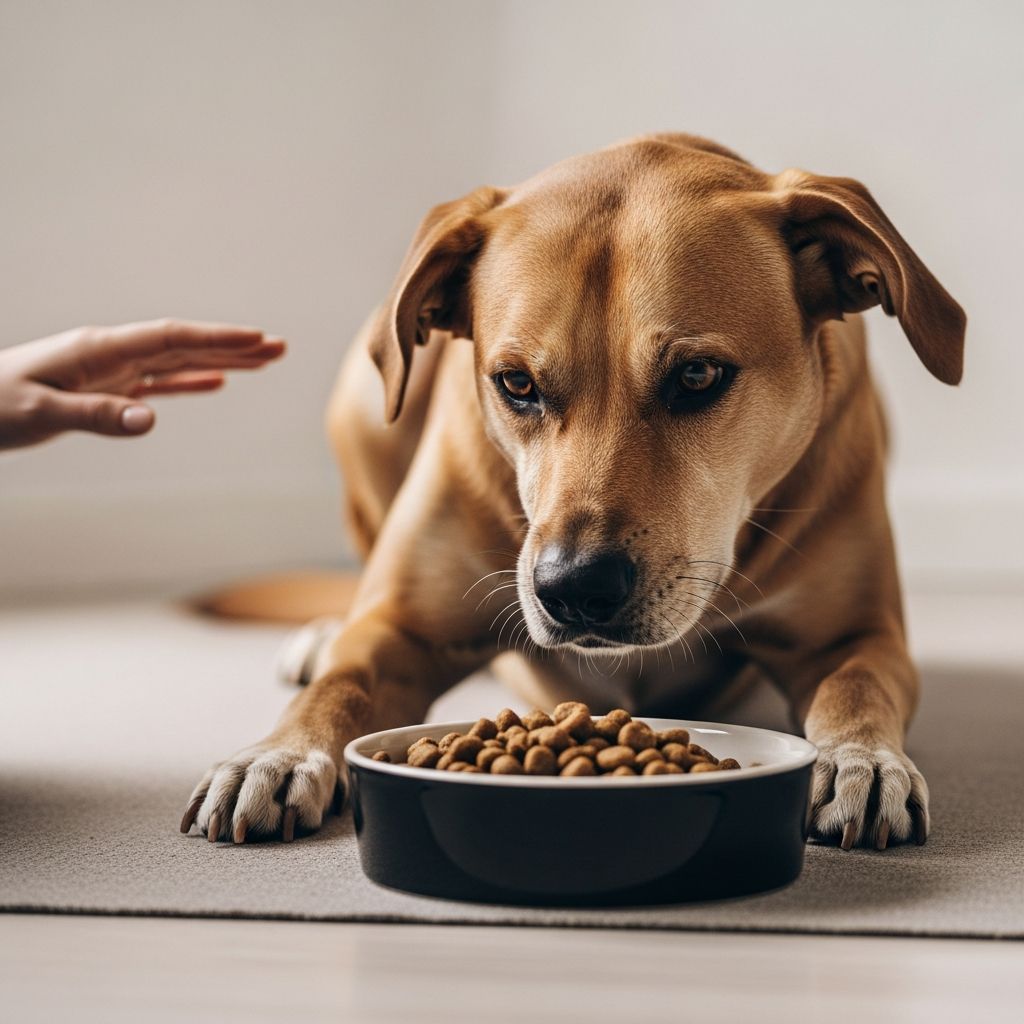
Food guarding, a common behavioral issue in dogs, involves protective reactions toward meals, treats, or bowls that can range from subtle warnings to dangerous aggression. This instinctive behavior stems from survival mechanisms but requires intervention to prevent risks to family members and other pets.
Recognizing the Warning Signals
Early detection of food guarding prevents escalation. Dogs communicate discomfort through body language before resorting to bites or snaps.
- Subtle cues: Freezing in place, gulping food rapidly, or staring intently at approaching individuals.
- Moderate displays: Stiff posture, pinned-back ears, crouching over the bowl, or rapid eating to secure resources.
- Severe indicators: Growling, baring teeth, lunging, snapping, or biting when neared during eating.
These signs often intensify with high-value items like treats or raw bones compared to standard kibble. About 20-25% of dogs exhibit some level of this behavior, highlighting its prevalence.
Root Causes of Protective Eating Habits
Understanding origins aids in tailored solutions. Multiple factors contribute to this conduct.
Instinctual and Genetic Influences
Resource guarding evolved as a survival trait in wild canines protecting scarce meals. Certain breeds, such as German Shepherds, Rottweilers, Akitas, and Cane Corsos, show stronger predispositions due to territorial heritages.
Developmental and Environmental Factors
Puppies competing with littermates or shelter dogs vying for limited food often learn guarding early. Rescue animals from neglectful settings may retain these habits as self-preservation.
Stress, Health, and Training Gaps
Anxiety from household changes, pain from dental issues or arthritis, or gastrointestinal discomfort heightens reactivity. Inadequate socialization or lack of sharing training reinforces possessiveness.
| Cause Category | Examples | Impact on Behavior |
|---|---|---|
| Genetic | Guard breeds like Akita | Increased territoriality |
| Early Life | Shelter competition | Learned defensiveness |
| Health-Related | Painful conditions | Heightened sensitivity |
| Environmental | Stressful events | Temporary escalation |
Safety Measures for Immediate Protection
Prioritize household safety while addressing the issue. Avoid punishment, as it worsens fear-based responses.
- Feed in isolated areas, away from children or other pets.
- Remove bowls post-meal to eliminate guarding triggers.
- Supervise all interactions near food; use baby gates if needed.
- Consult professionals for severe cases to avert bites.
Proven Strategies to Reduce Guarding
Counter-conditioning and desensitization form the core of effective programs, transforming food into a positive association.
- Establish Trust Basics: Hand-feed all meals initially to link human presence with provision.
- Approach Desensitization: Stand at a distance during eating, gradually closing in while offering superior treats; retreat on any tension signs.
- Value Exchange Training: Trade guarded items for better rewards, teaching relinquishing yields gains.
- Mealtime Routines: Use consistent commands like ‘sit’ before serving; scatter kibble to reduce bowl fixation.
- Multi-Dog Households: Separate feeding stations with supervision; never allow free-feeding.
- Progress Monitoring: Track improvements weekly; regress steps if aggression reappears.
- Professional Guidance: Engage certified trainers or veterinary behaviorists for personalized plans.
Consistency across family members ensures success; results may take weeks to months.
Health Evaluations and Professional Support
Rule out medical contributors first. Veterinary exams check for pain sources like oral diseases or mobility issues that amplify guarding. Behaviorists apply science-backed modifications, avoiding outdated dominance theories.
Preventive Practices for New Dogs
Proactive steps minimize risks in puppies or adoptions.
- Initiate hand-feeding from day one.
- Socialize with shared resources under supervision.
- Avoid competition in multi-pet homes.
- Maintain regular health checks.
These habits foster confident, non-guarding adults.
Common Myths and Realities
| Myth | Reality |
|---|---|
| Eating from elevated bowls fixes it | No evidence; address behavior directly |
| Punishment deters aggression | Increases fear and intensity |
| Only strays have this issue | Affects all backgrounds |
| It resolves with age | Often persists without intervention |
Frequently Asked Questions
What if my dog guards toys too?
This indicates broader resource guarding; apply similar techniques to all valuables.
Can puppies outgrow food guarding?
Early intervention is key; unmanaged cases typically endure.
Is food aggression dangerous?
Yes, especially with children; prioritize management.
How long until improvement?
Weeks to months with daily practice.
Should I muzzle during meals?
Only as a temporary safety tool under professional advice.
Long-Term Success Tips
Sustain progress through ongoing reinforcement, stress reduction via exercise, and environmental stability. Celebrate small victories to motivate consistency.
References
- Food Aggression in Dogs: What You Need to Know — Lemonade. 2023. https://www.lemonade.com/pet/explained/food-aggression-dogs/
- Understanding Dog Food Aggression and How to Manage It — Best Friends Veterinary Center. 2024. https://bestfriendsvet.org/blog/dog-food-aggression/
- 7 Steps to Stop Food Aggression in Dogs — Raw Bistro. 2023. https://rawbistro.com/blogs/raw-bistro/food-aggression-in-dogs
- Food Bowl Aggression in Dogs — VCA Animal Hospitals. 2024-01-15. https://vcahospitals.com/know-your-pet/food-bowl-aggression-in-dogs
- How to Address Food Aggression in Dogs — Hill’s Pet Nutrition. 2024. https://www.hillspet.com/dog-care/behavior-appearance/food-aggression-in-dogs
- Dog Food Aggression | Resource Guarding Facts + Infographic — Sniffspot. 2023. https://www.sniffspot.com/blog/dog-training/how-to-deal-with-food-aggression-in-dogs-facts-infographic
Similar Articles





Read full bio of Sneha Tete