
Managing Flies And Mosquitoes In Horses: Expert Control Guide
Essential strategies for protecting horses from flies and mosquitoes, preventing bites, allergies, and infections.
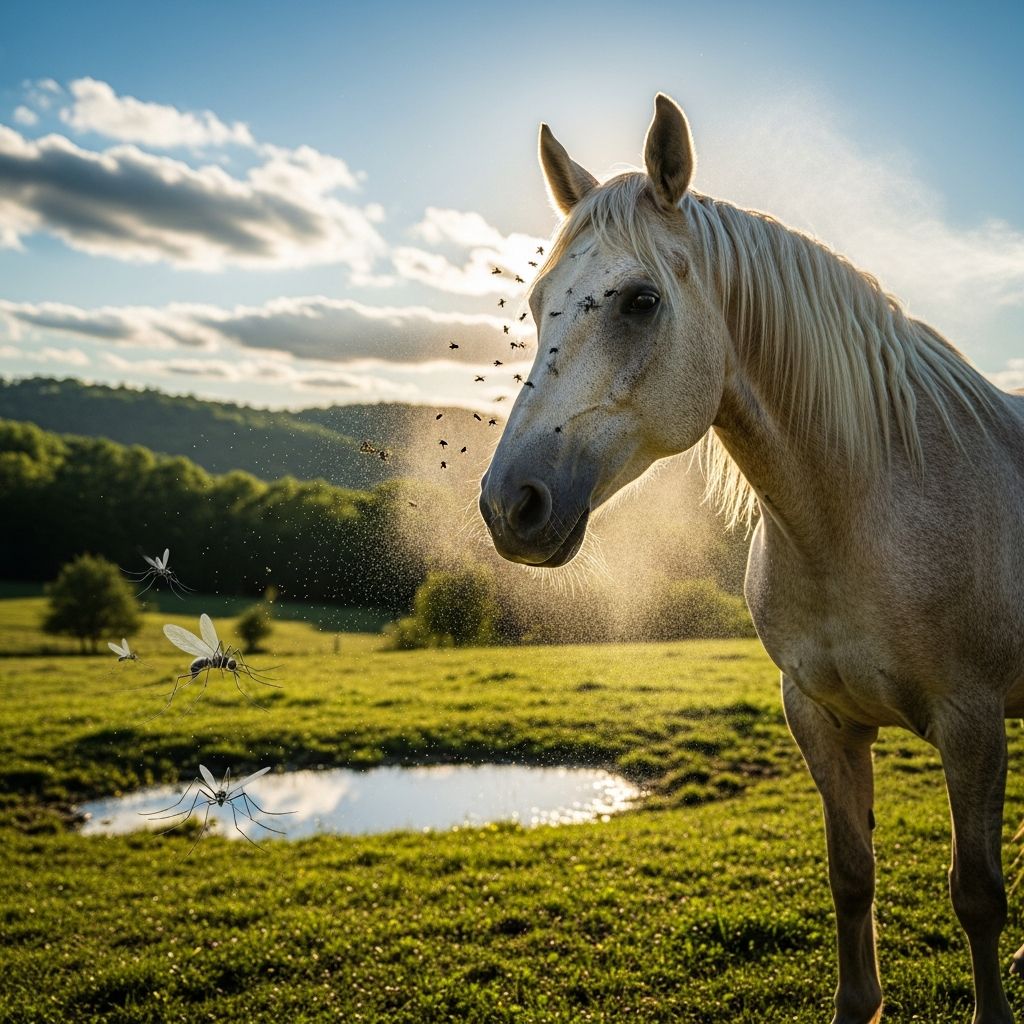
Flies and mosquitoes pose significant challenges to horse health, causing irritation, allergic reactions, and secondary infections. Effective management combines environmental control, protective gear, and targeted treatments to reduce exposure and alleviate symptoms.
Understanding Common Insect Pests Affecting Horses
Horses encounter various flying insects that target their skin, particularly during warmer months. Stable flies, horse flies, mosquitoes, and biting midges (often called no-see-ums) are primary culprits. These pests feed on blood or skin secretions, leading to painful bites and potential disease transmission.
- Stable flies: Thrive in decaying organic matter like manure and straw; bite legs and flanks during short daily feeding periods.
- Horse flies: Large, aggressive biters attracted to dark colors; prefer wet breeding areas and cause deep, painful punctures.
- Mosquitoes: Breed in standing water; active at dawn and dusk, transmitting irritants that provoke hypersensitivity.
- Biting midges: Tiny pests repelled by air movement; trigger severe allergic dermatitis in sensitive horses.
Recognizing these insects helps tailor prevention efforts. Horses with light coats or in open pastures face higher risks, as do those stabled near breeding sites.
Health Impacts of Insect Bites on Equine Skin
Bites from these insects disrupt skin integrity, leading to immediate pain and long-term issues. Itching prompts rubbing, causing hair loss, sores, and crusting. In allergic horses, reactions manifest as raised welts, hives, or summer sores—granular lesions from Habronema larvae deposited by flies.
Severe cases involve insect bite hypersensitivity, where repeated exposure sensitizes the immune system, resulting in chronic inflammation. Bacterial invasions complicate matters, forming pyoderma, while fungal infections exploit damaged barriers. Untreated, these escalate to systemic issues, affecting performance and welfare.
| Insect Type | Common Bite Sites | Key Health Risks |
|---|---|---|
| Stable Flies | Legs, belly | Bacterial infections, anemia from blood loss |
| Horse Flies | Back, sides | Painful swelling, secondary wounds |
| Mosquitoes | Face, mane | Allergic dermatitis, viral transmission |
| Biting Midges | Back, ears | Hypersensitivity, intense pruritus |
Environmental Strategies for Insect Population Control
Reducing breeding grounds is foundational. Eliminate standing water in troughs, tires, or ditches using larvicides or regular draining—mosquitoes require even small pools to proliferate. For stable flies, prioritize sanitation: remove manure daily, clear feed bunk debris, and maintain dry fence lines.
Mow tall grass and bushes to deter horse flies, which favor damp, vegetated edges. Fans in stalls create airflow, repelling weak-flying midges. Traps, such as disposable or permanent fly units, capture adults effectively when placed away from stables.
Stable and Pasture Hygiene Protocols
- Daily manure removal from paddocks and stalls.
- Compost piles located far from horse areas.
- Drainage improvements to prevent puddles.
- Regular vegetation trimming around facilities.
These measures cut populations by up to 80% in consistent applications, minimizing chemical reliance.
Physical Barriers and Protective Equipment
Fly masks, sheets, and leg boots form a frontline defense, blocking access to sensitive areas like eyes, face, and underbelly. Breathable mesh designs allow ventilation while excluding pests—essential for allergy-prone horses.
- Full-body fly sheets for daytime turnout.
- Ear nets and masks for facial protection.
- Leg wraps for lower limb coverage.
Stabling during peak activity (dusk/dawn for mosquitoes, daytime for flies) further limits exposure. Fine screens on windows and doors enhance indoor security. Light-colored gear deters horse flies, which prefer darker shades.
Repellents and Topical Insecticides
EPA-registered products provide chemical barriers. Permethrin (0.5-1% sprays) excels against midges and flies; apply daily to coat, avoiding eyes and mucous membranes. Dilute concentrates properly—never use undiluted 10% solutions.
Alternatives include pyrethroids for broad efficacy and neem oil for natural repulsion. DEET-based repellents suit human handlers but check equine safety. Reapply post-bathing or rain.
Safe Repellent Application
- Groom horse first to expose skin.
- Spray generously on legs, belly, neck.
- Use wipes for face/ears.
- Wear gloves; follow labels strictly.
Spot-on treatments like permethrin for polls offer targeted relief.
Diagnosing and Treating Bite Reactions
Veterinary confirmation distinguishes allergies from mimics like ringworm. Intradermal testing identifies culprits, guiding avoidance.
Managing Pruritus and Inflammation
Topical hydrocortisone, triamcinolone lotions soothe mild cases; shampoos with 4% chlorhexidine or 2.5% benzoyl peroxide combat bacteria while reducing itch. Oral steroids (prednisolone) address severe flares.
Bathe twice weekly: wet thoroughly, lather 10 minutes, rinse fully. Ethyl lactate options minimize drying.
Addressing Secondary Infections
Benzoyl peroxide dissolves crusts; chlorhexidine kills pathogens. For Habronema sores, ivermectin (every 2 weeks x3) or single-dose moxidectin clears larvae—monitor for post-treatment swelling.
Small wounds benefit from oxychlorine sprays or Swat ointment.
Seasonal and Long-Term Management Plans
Summer demands vigilance: combine barriers, repellents, and sanitation. Rotate products to prevent resistance. Monitor daily during feeding for early intervention.
For hypersensitive horses, desensitization vaccines or allergen-specific diets may help, per vet advice. Track improvements with photos.
Frequently Asked Questions (FAQs)
What is the best fly repellent for horses allergic to midges?
1% permethrin sprays applied daily, or neem oil alternatives, prove most effective.
Can fly sheets be used in hot weather?
Yes, breathable UV-protective sheets keep horses cool while blocking insects.
How often should I deworm for summer sores?
Treat with ivermectin every 2 weeks for 6 weeks if larvae suspected.
Are natural repellents sufficient?
Neem works for midges but pair with barriers for comprehensive control.
Do fans really deter mosquitoes in barns?
Yes, by disrupting flight patterns of weak fliers like midges and mosquitoes.
Implementing these strategies holistically ensures horses remain comfortable and healthy year-round.
References
- Insect Bite Hypersensitivity in Horses — University of Florida IFAS Extension. 2023. https://edis.ifas.ufl.edu/publication/AN359
- Fly Bites on Horses — PetMD. 2024. https://www.petmd.com/horse/conditions/skin/fly-bites-horses
- Mosquito Disease Prevention on the Farm — Pennsylvania Department of Health. 2025-06-12. https://www.pa.gov/content/dam/copapwp-pagov/en/health/documents/topics/documents/diseases-and-conditions/vectorborne/Mosquito%20Disease%20Prevention%20on%20the%20Farm.pdf
- Flies and Mosquitoes of Horses — Merck Veterinary Manual. 2024. https://www.merckvetmanual.com/horse-owners/skin-disorders-of-horses/flies-and-mosquitoes-of-horses
- How to Prevent Mosquito and Tick Bites — Centers for Disease Control and Prevention. 2025. https://www.cdc.gov/vector-borne-diseases/prevention/index.html
Similar Articles








Read full bio of Sneha Tete


