

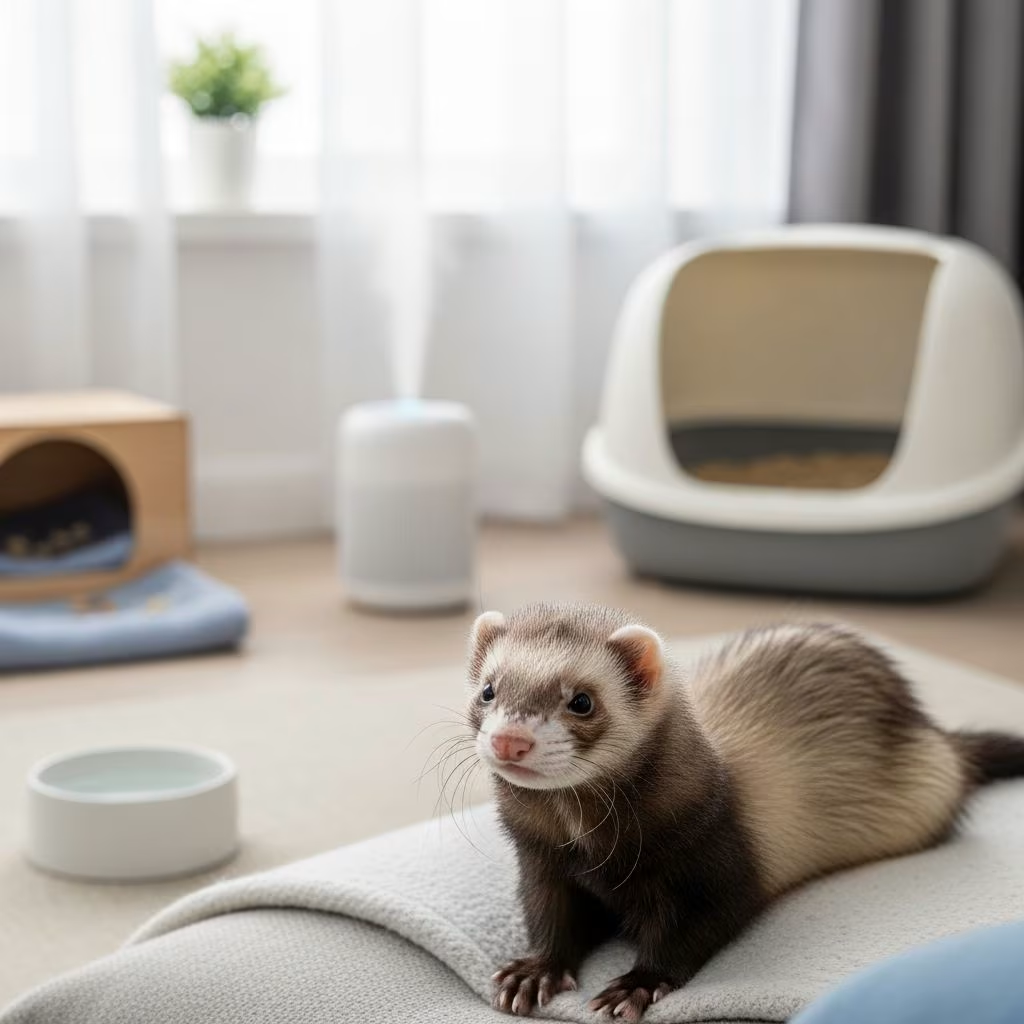
Ferrets possess a distinctive musky scent stemming from their skin oils and glands, which serves natural purposes like waterproofing their fur and communicating with others of their kind. While this aroma is inherent, proactive measures can significantly lessen its intensity in your living space. Key approaches include surgical interventions, optimized feeding plans, consistent hygiene practices, and environmental adjustments.
Understanding the Roots of Ferret Scent
The primary source of a ferret’s smell arises from sebaceous glands in their skin, producing oils that maintain coat health. These oils carry a musky quality amplified by hormones, particularly in unaltered animals. Intact males exhibit stronger odors during breeding seasons due to elevated testosterone levels. Ear wax accumulation also contributes, harboring bacteria and adding a yeasty undertone. Additionally, digestive byproducts from improper diets can manifest as stronger waste smells.
Ferrets rarely deploy their anal glands offensively, unlike skunks, but any expression—often from stress—releases a potent temporary stench. Daily habits like poor litter management or infrequent bedding washes exacerbate these issues, allowing odors to permeate fabrics and air.
Surgical Solutions for Lasting Relief
Spaying or neutering stands as the most impactful step for odor reduction. These procedures diminish hormone-driven oil production, typically yielding noticeable improvements within weeks post-surgery. For males, neutering curbs the intense rutting musk; for females, spaying prevents estrus-related scents and associated health risks like prolonged heat cycles.
Veterinarians recommend performing these surgeries before sexual maturity, around 6-8 months, to maximize benefits including extended lifespan and reduced aggression. Post-op care involves monitoring incision sites and limiting play to prevent complications, but the payoff in scent control is substantial.
Nutrition’s Role in Scent Management
As obligate carnivores, ferrets thrive on high-protein, high-fat diets low in fillers like grains or vegetables. Suboptimal foods lead to inefficient digestion, producing foul-smelling feces rich in ammonia and sulfides. Select premium ferret formulas emphasizing animal-based proteins for better gut health and milder waste odors.
Avoid fish-flavored treats or kibble, as they intensify body musk. Feed measured portions to prevent obesity, which can worsen skin oil secretion. Fresh water access supports kidney function, further minimizing urinary tract odors. Transition diets gradually over 7-10 days to avoid digestive upset.
Grooming Routines to Curb Musk
Regular grooming preserves natural oils without overstimulating production. Limit baths to once monthly using shampoos formulated for ferrets or kittens, as frequent washing strips protective layers, prompting rebound oiliness and intensified smells.
Weekly ear cleaning removes waxy buildup using pet-safe solutions and cotton swabs on external areas only—never insert deeply to avoid injury. Trim nails biweekly to prevent snags that trap dirt. Brush fur gently with soft tools to distribute oils evenly and remove debris.
- Bathe monthly with mild shampoo.
- Clean ears weekly, focusing on outer folds.
- Brush coat 2-3 times per week.
- Trim nails every 2 weeks.
Maintaining a Fresh Habitat
A clean enclosure prevents odor accumulation. Scoop litter boxes daily, opting for low-dust, clumping varieties like paper pellets or eco-straw that absorb moisture effectively. Wipe shelves and ramps with pet-safe disinfectants.
Wash bedding—hammocks, blankets, sacks—weekly in hot water with baking soda for deodorizing. Perform full cage deep cleans monthly: dismantle, scrub all surfaces, and dry thoroughly. Clean play areas, toys, and food bowls daily to eliminate hidden scent sources.
| Daily Tasks | Weekly Tasks | Monthly Tasks |
|---|---|---|
| Litter scoop Surface wipe Food/water refresh | Bedding wash Ear clean Brush fur | Full cage deep clean Bath ferret Deep play area scrub |
Enhancing Airflow and Waste Control
Position the habitat in well-ventilated rooms away from direct sun, which amplifies scents via heat. Use fans directed away from the cage or open windows to circulate air. Activated carbon filters or air purifiers nearby neutralize airborne particles.
Employ enzymatic cleaners on accidents; these break down proteins in urine and feces at a molecular level, preventing residual smells. Line cage bottoms with absorbent pads for quick spill management. Promptly dispose of waste in sealed bags.
Advanced Techniques for Stubborn Odors
For persistent issues, integrate multiple layers: probiotic supplements may balance gut flora, indirectly softening waste scents. Consult vets for anal gland expression if needed, though rare. Fabric refreshers with natural enzymes tackle laundry odors.
Monitor health; dental disease or infections can heighten smells. Annual vet checkups catch issues early. Multi-pet households benefit from separate zones to isolate scents.
Frequently Asked Questions
Do all ferrets smell bad?
No, with proper care, their natural musk becomes mild and manageable, far from overpowering.
How often should I bathe my ferret?
Once a month maximum to avoid disrupting skin oils.
Will neutering eliminate the smell completely?
It greatly reduces but doesn’t erase the inherent ferret aroma.
What litter is best for odor control?
Unscented, absorbent types like paper pellets or straw-based options.
Can diet alone fix ferret odor?
It helps significantly but combine with grooming and cleaning for best results.
Building a Comprehensive Odor Control Plan
Combine strategies for synergy: start with spay/neuter, upgrade to carnivore-appropriate food, enforce grooming schedules, and prioritize habitat hygiene. Track progress weekly; adjustments like better ventilation yield quick wins. Patient consistency transforms a musky home into a harmonious one.
Ferrets reward diligent owners with playful companionship minus heavy scents. Embrace their quirky charm while mastering these techniques.
References
- Ferret Odor Control Solves Your Problem — Jungle Aquatics. 2023. https://jungleaquatics.com/blogs/news/ferret-odor-control-solves-your-problem
- 5 Tips for Minimizing Ferret Odors — Oxbow Animal Health. 2023. https://oxbowanimalhealth.com/blog/5-tips-for-minimizing-ferret-odors/
- Do Ferrets Stink? Here’s Why Ferrets Smell — Chewy.com. 2023. https://www.chewy.com/education/small-pet/ferret/do-ferrets-stink
- How to Get the ‘Stink’ Out of Your Ferret — PetMD. 2023-02-17. https://www.petmd.com/ferret/grooming/how-get-stink-out-your-ferret
- Ferret Health — Corydon Animal Hospital. 2019-02. https://www.corydonanimalhospital.ca/resources/blog/february-2019/ferret-health



