

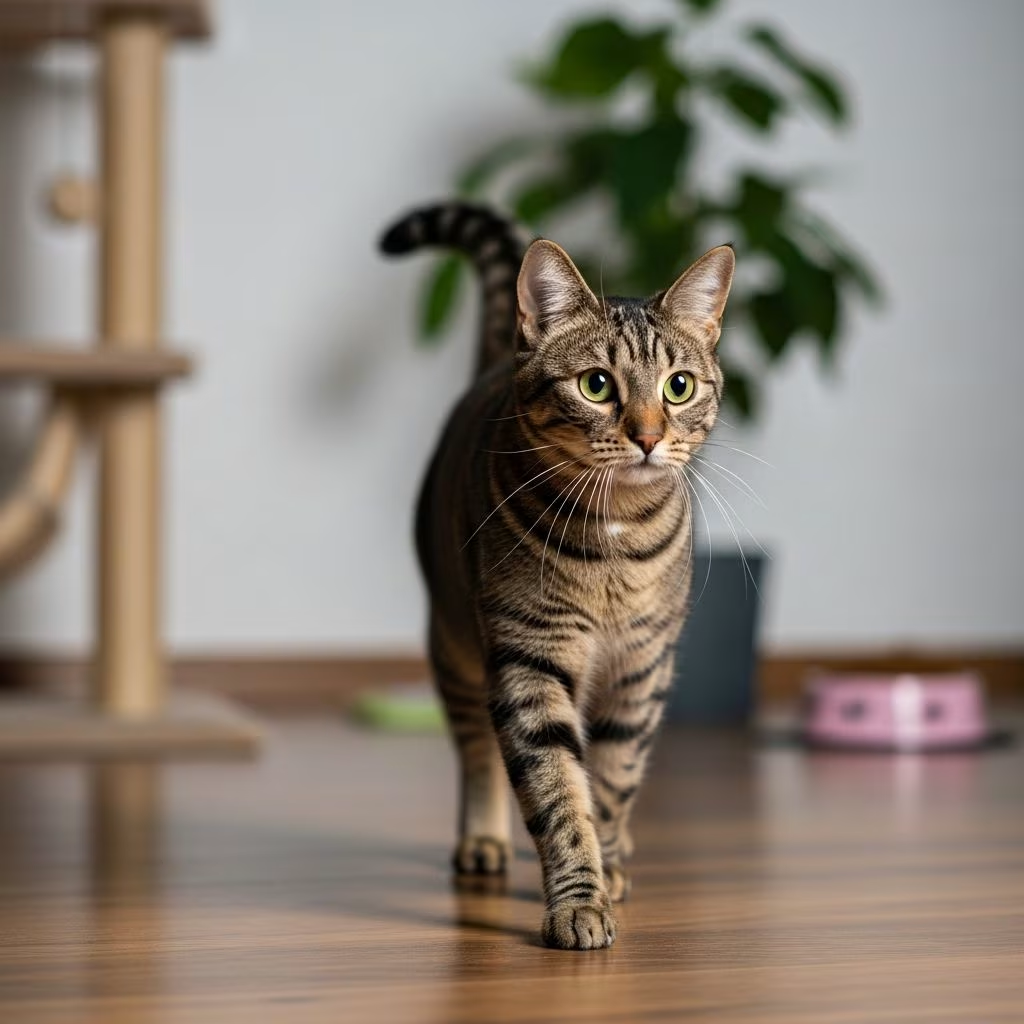
Feline obesity has emerged as one of the most prevalent health challenges affecting domestic cats today. While it may seem harmless to have a slightly heavier pet, the reality is that excess weight significantly compromises your cat’s wellbeing and longevity. Even modest weight gain can trigger a cascade of health complications that impact quality of life and create serious medical conditions. Understanding your cat’s body composition and taking proactive steps toward weight management is essential for responsible pet ownership.
Why Feline Body Weight Matters
Your cat’s weight is far more than a number on a scale—it reflects their overall physical condition and metabolic health. The distinction between a cat at an ideal weight and one carrying excess pounds can mean the difference between a vibrant, active companion and one struggling with pain and limitation. Cats of all breeds and both sexes can develop weight problems, though certain populations face higher vulnerability. Middle-aged cats between 8 and 12 years old, neutered or spayed individuals, and indoor-only pets demonstrate the highest risk for obesity.
The severity of weight gain determines how we classify a cat’s condition. A cat is considered overweight when they exceed their ideal body weight by 10 to 20%, while obesity is diagnosed when weight exceeds the ideal by more than 20%. Even seemingly minor excess weight matters profoundly—as little as two pounds above a cat’s target weight can initiate the development of serious medical conditions.
Recognizing Signs of Weight Gain in Your Cat
Identifying whether your cat carries excess weight requires careful observation using multiple assessment methods. Visual inspection combined with physical palpation provides the most accurate picture of your feline’s body condition.
Visual Assessment From Above
Position yourself directly above your cat while they stand naturally. A cat at ideal weight should display a visible waistline—a subtle narrowing just above the hip area. This anatomical landmark becomes your most reliable visual indicator. If you observe bulging sides instead of this natural indentation, or if the waistline has completely disappeared, your cat likely carries excess weight. This assessment can be challenging with long-haired breeds where fur obscures body contours, requiring extra care in observation.
Physical Rib and Hip Assessment
Gently run your hands along your cat’s ribcage and hip area while they sit comfortably. You should feel bone prominence without excessive pressure required to locate ribs. The fat layer covering these bones should feel similar to the thickness on the back of your own hand. If you cannot easily detect individual ribs through the fur and fat, or if you encounter a thick layer of fat before reaching bone, your cat has accumulated excess weight. This hands-on evaluation provides crucial tactile feedback that complements visual inspection.
Behavioral and Functional Changes
Behavioral modifications often precede obvious physical changes. Overweight cats frequently display reduced energy levels, increased sleeping, and reluctance to engage in normal activities. Additionally, grooming habits deteriorate—an overweight cat may struggle to reach all body areas for proper cleaning, resulting in a disheveled or matted coat. Most telling is diminished jumping capacity. If your cat requires multiple attempts to reach furniture they previously accessed with ease, or if they avoid jumping altogether, excess weight is likely the culprit. Difficulty climbing stairs, ascending to favorite perches, or general mobility issues signal that weight is interfering with normal feline function.
Physical Appearance Changes
Additional indicators include a collar that requires regular loosening, a flattened or rectangular body profile when viewed from the side, noticeable fat deposits around the face and limbs, and loss of hip and rib bone prominence even under gentle palpation. Some cats develop reduced bowel movement frequency and increased gas production as metabolic function declines.
Health Consequences of Excess Feline Weight
The health implications of feline obesity extend far beyond cosmetic concerns. Excess weight creates a biological cascade that initiates or worsens multiple serious conditions, each capable of significantly reducing lifespan and quality of life.
Metabolic and Endocrine Disorders
Diabetes mellitus represents one of the most common obesity-related conditions in cats. An obese cat is approximately three times more likely to develop type 2 diabetes than a cat maintaining healthy body weight. This metabolic disorder disrupts blood sugar regulation, often requiring insulin therapy or dietary management. The weight gain itself creates insulin resistance, perpetuating a problematic cycle where excess fat interferes with hormone function.
Joint and Musculoskeletal Problems
Excess weight places tremendous mechanical stress on joints throughout the body. Osteoarthritis and hip dysplasia become significantly more prevalent and more severe in overweight cats. The additional pounds compound cartilage erosion in joints, amplifying pain with movement. This discomfort further reduces activity, creating a vicious cycle where inactivity promotes additional weight gain while worsening joint deterioration.
Cardiovascular and Respiratory Complications
Obesity burdens the cardiovascular system by forcing the heart to work harder to circulate blood throughout a heavier body. Overweight cats face increased risks for heart disease and high blood pressure. The additional body mass also compromises respiratory function, making breathing more laborious and reducing exercise tolerance.
Urinary and Dermatological Issues
Overweight cats experience higher incidence of urinary tract infections and bladder stones, as well as chronic skin problems. Poor grooming habits in obese cats allow bacteria to proliferate and skin conditions to develop unchecked. Additionally, obesity contributes to hepatic lipidosis—dangerous fat accumulation in the liver—which can become life-threatening if untreated.
Cancer Risk and Immune Function
Research indicates that excess body fat increases susceptibility to certain cancers, particularly intra-abdominal malignancies. Furthermore, obesity weakens immune system function, reducing your cat’s ability to fight infections and illness effectively.
Life Expectancy Impact
Obesity is a disease that shortens lifespan through development of multiple secondary conditions including diabetes, cancer, and cardiovascular disease. Cats maintaining healthy body weight consistently demonstrate greater longevity and superior quality of life in their senior years.
Assessment Framework for Cat Body Condition
| Body Condition Category | Weight Status | Physical Indicators | Health Risk Level |
|---|---|---|---|
| Ideal Weight | 100% of target weight | Visible waist, palpable ribs, no excess fat deposits | Minimal |
| Overweight | 110-120% of target weight | Diminished waist, ribs difficult to feel, slight fat deposits | Moderate |
| Obese | 120%+ of target weight | No visible waist, ribs not palpable, heavy fat accumulation | High |
Strategies for Supporting Healthy Feline Weight
Achieving and maintaining healthy cat weight requires a comprehensive approach combining nutritional strategy, activity encouragement, and veterinary oversight.
Veterinary Partnership
Before implementing any weight management program, consult your veterinarian to rule out underlying medical conditions that might contribute to weight gain. Your vet can determine your cat’s ideal target weight, assess current health status, and design a safe weight loss plan. Never place your cat on a restrictive diet without professional guidance, as rapid weight loss can trigger hepatic lipidosis—a serious liver condition.
Nutritional Optimization
Work with your veterinarian to select appropriate food for your cat’s life stage and health status. Special weight management formulas may be beneficial, providing balanced nutrition while supporting gradual weight loss. Portion control is essential—measure meals using a scale rather than eyeballing, and track daily intake. Consider adjusting feeding frequency or meal size to enhance satiety and metabolic support.
Activity and Enrichment
Increase daily activity through interactive play sessions targeting your cat’s natural hunting instincts. Use feather toys, laser pointers, or ball toys to encourage movement. Vertical enrichment through cat trees, climbing shelves, and window perches promotes jumping and climbing activity. Even short, regular play sessions accumulate significant calorie expenditure over time.
Environmental Modification
Reduce access to high-calorie treats and establish feeding protocols that discourage excessive consumption. Store food in secure locations away from counter-surfing opportunities. If you have multiple cats, manage feeding separately to control individual intake. Provide water in multiple locations to encourage hydration, which supports metabolism.
Frequently Asked Questions About Feline Weight Management
How quickly should a cat lose weight?
Gradual weight loss of 1-2% of body weight per week is optimal for feline health. Rapid weight loss increases hepatic lipidosis risk. A veterinarian-supervised program typically spans several months for meaningful, safe weight reduction.
Can indoor cats maintain healthy weight?
Yes, though indoor cats require strategic enrichment and activity encouragement. Indoor-only cats do face higher obesity risk, making intentional activity programming essential for weight management.
Does neutering cause weight gain?
Neutering and spaying reduce metabolic rate and alter hormone profiles, increasing weight gain susceptibility. Post-surgery, monitor intake carefully and adjust portion sizes downward to compensate for reduced caloric needs.
Are certain cat breeds more prone to obesity?
All cat breeds can develop obesity. However, certain body types and genetic predispositions may influence weight management difficulty in specific breeds. Discuss breed-specific considerations with your veterinarian.
What if my cat refuses weight loss food?
Work with your veterinarian on gradual transition strategies, mixing new food with familiar food in increasing proportions. Alternative approaches might include prescription diets with different textures or flavors that your cat finds more palatable.
Creating a Sustainable Weight Management Lifestyle
Successful long-term weight management requires viewing it as a lifestyle change rather than a temporary intervention. Support your cat’s healthy weight through consistent feeding practices, regular activity, and ongoing veterinary monitoring. Celebrate progress gradually—even modest weight loss produces meaningful health improvements including increased mobility, reduced joint pain, and decreased disease risk.
Your commitment to understanding and addressing your cat’s weight directly impacts their healthspan—the years they enjoy active, pain-free living. By recognizing early signs of weight gain and taking proactive steps toward optimal body condition, you’re investing in years of companionship with a healthier, more vibrant feline friend.
References
- Is My Cat Overweight? Signs That You May Have an Overweight Cat — Winston-Salem Veterinary. 2021-02-12. https://www.winston-salem.carolinavet.com/site/pet-health-advice-blog/2021/02/12/is-my-cat-overweight
- Is Your Cat Overweight? Signs, Symptoms & What to Do — Holland Veterinary Hospital. 2024-06-22. https://www.hollandvethospital.com/site/blog/2024/06/22/cat-overweight
- Understanding Cat Obesity: Causes, Symptoms, and Solutions — Pinepoint Veterinary. 2024. https://pinepointvet.com/understanding-cat-obesity/
- Obesity in Cats: Signs, Causes, and Treatment — PetMD. https://www.petmd.com/cat/conditions/digestive/c_ct_obesity
- Obesity — Cornell University College of Veterinary Medicine. https://www.vet.cornell.edu/departments-centers-and-institutes/cornell-feline-health-center/health-information/feline-health-topics/obesity
- Cat Weight Loss Information | Healthy Weight Loss for Cats — Pet Obesity Prevention. https://www.petobesityprevention.org/weight-loss-cats
- Can Being Overweight Cause Pain for Your Cat? — Jefferson Animal Hospital. https://www.jeffersonanimalhospital-stl.com/blog/can-being-overweight-cause-pain-for-your-cat



