
Managing Feline Waste: Solutions for Odor and Mess Control
Practical strategies to maintain a fresh-smelling home while caring for your cat
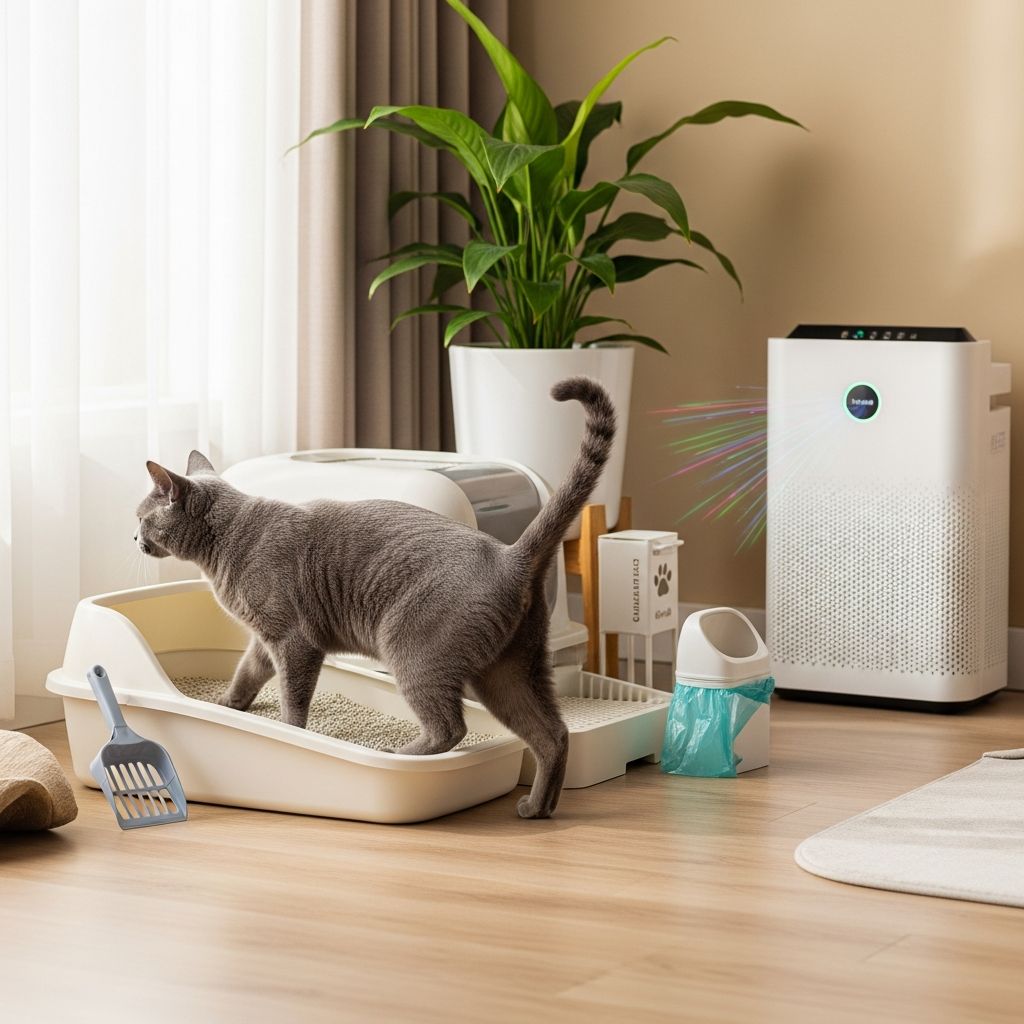
Cat ownership brings joy and companionship, but managing litter box odors and containing waste presents a common challenge for pet parents. The unpleasant smells emanating from litter boxes result from bacterial decomposition of urine and feces, producing ammonia and other volatile compounds. Understanding the science behind these odors and implementing strategic interventions can significantly improve your home’s air quality while maintaining your cat’s health and happiness.
The Foundation: Daily Maintenance Practices
The cornerstone of effective litter box management begins with consistent daily care. Scooping the litter box at least once per day remains the single most important practice for odor control. This routine removes solid waste and clumps before bacteria have time to proliferate and generate ammonia compounds. Some pet owners find that scooping twice daily yields even better results, particularly in multi-cat households.
Beyond daily scooping, complete litter replacement should occur every one to two weeks. During replacement, thoroughly clean the litter box itself with warm water and mild dish soap. This step proves critical because plastic litter boxes gradually absorb odor-causing compounds over time, especially when scratches or cracks develop on their surfaces. Harsh chemical cleaners or bleach should be avoided, as residual scents may discourage your cat from using the box.
The cleaning process involves:
- Removing all litter from the box
- Washing interior and exterior surfaces with mild soap and water
- Rinsing thoroughly to eliminate soap residue
- Drying completely before refilling with fresh litter
- Inspecting for damage or permanent odor absorption
Cats naturally prefer clean litter boxes and are more likely to reject a soiled box, leading to inappropriate elimination outside the designated area. This behavioral response underscores the importance of maintaining hygiene standards that align with feline preferences.
Litter Box Material and Equipment Selection
The type of litter box and litter variety significantly influences both odor production and containment. Metal litter boxes offer advantages over plastic alternatives because they resist odor absorption and withstand repeated cleaning without degradation. If upgrading to metal, ensure the edges are smooth and the box dimensions accommodate your cat’s comfortable movement.
Litter box liners serve as protective barriers, preventing waste moisture and particles from seeping into the box’s material. Quality liners reduce long-term odor buildup and simplify cleaning procedures. Opt for tear-resistant options that withstand cat claws and prevent leakage during disposal.
For litter selection, high-quality clumping formulas with odor-control properties outperform standard options. Some litters incorporate activated carbon, which traps odor molecules through adsorption—a process where molecules adhere to the carbon’s porous surface. Baking soda-based additives neutralize acidic and basic odors through chemical neutralization. Studies demonstrate that supplemented litters significantly reduce odor compared to unsupplemented alternatives.
A critical consideration involves fragrance sensitivity. Many cats find heavily scented litters aversive, potentially leading to box avoidance. Additionally, perfumed additives may combine with waste odors to create unpleasant chemical mixtures rather than masking the underlying smell. Unscented, high-quality litters represent the optimal choice for feline acceptance and human odor management.
Natural Deodorizing Agents and Methods
Several naturally occurring substances effectively neutralize or absorb litter box odors without introducing synthetic fragrances or harsh chemicals.
Baking Soda Applications
Baking soda functions as a natural odor neutralizer through its alkaline properties, which counteract acidic compounds in cat waste. A light sprinkle of baking soda added to the litter after daily scooping enhances odor control without irritating your cat’s respiratory system or deterring box use. This safe, non-toxic approach has been trusted in household deodorization for decades.
Activated Charcoal Benefits
Activated charcoal represents another effective natural deodorizer. Its highly porous structure creates an enormous surface area that attracts and traps odor-causing molecules such as ammonia and sulfur compounds. Small pouches filled with activated charcoal can be positioned near the litter box on shelves or attached to the box’s exterior. These pouches typically require replacement or recharging every 30 to 60 days, depending on product specifications and usage levels.
Activated charcoal differs from baking soda in its mechanism: rather than neutralizing odors chemically, it physically captures odor molecules. This dual-method approach—combining both neutralization and absorption—addresses litter box odors comprehensively.
Environmental Factors and Spatial Considerations
The physical location and ventilation characteristics of the litter box environment significantly impact odor dispersal and accumulation.
Strategic Box Placement
Litter boxes should be positioned in quiet, well-ventilated areas away from living spaces, food, and water bowls. Open locations with steady airflow naturally disperse odors rather than allowing them to concentrate. Enclosed spaces such as closets, tight bathrooms, or cabinets create stagnant air conditions where ammonia and other volatile compounds accumulate to overwhelming levels.
Avoid placing litter boxes in covered enclosures or furniture. While these may aesthetically conceal the box, they severely restrict air circulation and intensify odor buildup. Open placement represents a superior approach, even though it requires more visibility of the litter box itself.
Ventilation and Air Circulation
Proper ventilation disperses odor-causing molecules before they accumulate in high concentrations. Opening windows, running exhaust fans, or positioning portable fans near the litter area improves air exchange. The Centers for Disease Control recognizes increased ventilation as essential for reducing indoor air pollutants, including odors, allergens, and airborne particles.
For situations where natural ventilation proves insufficient—such as during winter months or in naturally humid environments—HEPA air purifiers equipped with carbon filters provide professional-grade odor control. These devices capture particles and absorb gaseous compounds, effectively cleaning the surrounding air. Air purifiers should be selected based on room size and run continuously or on elevated settings during peak odor periods.
Addressing Persistent Odors and Problem Areas
Despite implementing maintenance best practices, occasionally cat urine accidents or particularly strong elimination events occur. Identifying and treating these areas prevents chronic odor problems.
When unexplained odors persist after thorough litter box cleaning, investigate surrounding areas carefully. Cats sometimes eliminate outside the box, and urine can seep into flooring materials or carpet padding where it concentrates over time. Enzyme-based cleaners specifically designed for pet waste break down uric acid crystals and organic compounds that traditional cleaners cannot address. These biological cleaners contain microorganisms that consume odor-causing substances at the molecular level.
Once problem areas are located and treated, odors should diminish significantly. Regular inspection and prompt treatment of accidents prevent odor from becoming embedded in home materials.
Multi-Cat Households and Increased Demands
Homes with multiple cats face proportionally greater litter box maintenance challenges. With more waste generated daily, odor production intensifies rapidly without adjusted management strategies.
General recommendations suggest providing one litter box per cat, plus one additional box. This approach distributes waste across multiple locations and reduces individual box saturation. Each box should receive daily scooping, and all boxes should be evaluated for complete litter replacement on consistent schedules.
Multi-cat households particularly benefit from:
- Installing multiple air purifiers in different areas
- Increasing ventilation system efficiency
- Using activated charcoal pouches in each litter area
- Maintaining separate cleaning supplies to prevent cross-contamination
- Monitoring individual cat behavior for box avoidance patterns
Common Mistakes and Counterproductive Practices
Several well-intentioned approaches actually worsen litter box odor problems rather than improving them.
Over-reliance on fragranced additives and sprays frequently backfires by combining artificial scents with urine and feces odors, creating worse smells than the original problem. Chemical-laden sprays may also irritate your cat’s sensitive respiratory system and trigger box avoidance.
Using harsh disinfectants or bleach-based cleaners leaves chemical residues that cats find aversive. These strong smells may discourage litter box use and create lingering household odors themselves.
Covered litter boxes, while popular for their aesthetic appeal, trap odors and restrict air circulation. This design choice prioritizes appearance over functionality and typically exacerbates odor problems rather than solving them.
Inconsistent maintenance routines allow odors to build rapidly. Skipping daily scooping or delaying litter replacement multiplies odor production and makes recovery more difficult.
Frequently Asked Questions
How often should I completely change the litter?
Complete litter replacement should occur every one to two weeks, depending on box usage, number of cats, and litter absorbency. Observe your specific situation and adjust frequency if odors intensify more rapidly than expected.
Are scented litters effective?
Scented litters often mask odors temporarily but may create worse smells when combined with cat waste and may discourage box use due to cats’ sensitivity to fragrances. Unscented, high-quality litters prove more effective long-term.
Can I use essential oils or air fresheners near the litter box?
Strong fragrances and essential oils should be avoided near litter boxes as they may irritate cats’ respiratory systems and potentially deter box use. Unscented solutions like baking soda and activated charcoal remain safer alternatives.
How long do activated charcoal pouches last?
Most activated charcoal pouches require replacement or recharging every 30 to 60 days, though this varies by product and usage intensity.
Do covered litter boxes reduce odor?
Covered boxes actually trap odors and restrict air circulation, typically worsening odor problems rather than solving them. Open boxes with proper ventilation perform better for odor management.
Implementing Your Odor Management Plan
Effective litter box odor control requires a multi-faceted approach rather than relying on a single solution. The most successful strategy combines daily maintenance, appropriate equipment selection, natural deodorizers, and environmental optimization.
Begin by establishing a consistent daily scooping routine—this single practice forms the foundation of all other efforts. Next, assess your litter box location and ventilation, making adjustments toward open, well-aired spaces. Select high-quality, unscented litter appropriate for your cats’ preferences. Incorporate natural deodorizers like baking soda or activated charcoal. Finally, consider air purification if natural ventilation proves insufficient.
Monitoring your home’s odor levels over several weeks will reveal which strategies work best for your specific situation. Some households may find that daily scooping plus proper ventilation suffices, while others benefit from adding air purifiers and charcoal pouches. Adjust your approach based on observed results while maintaining consistency in daily care practices.
By implementing these evidence-based strategies, you can maintain a fresh-smelling home while providing your feline companion with the clean, welcoming litter box environment they naturally prefer.
References
- How to Get Rid of Cat Litter Smells: 7 Easy Solutions — Alen Air. https://alen.com/blogs/fresh-air-101/how-to-get-rid-of-cat-litter-smell
- How to Keep a Litter Box from Smelling — Battery Park Veterinary Clinic. https://www.batteryparkvets.com/blog/how-to-keep-a-litter-box-from-smelling
- How To Get Rid Of Cat Litter Box Odors: Easy Hints To Banish The Smell — Class Act Cats. https://classactcats.com/blog/how-to-get-rid-of-cat-litter-box-odors/
Similar Articles








Read full bio of Sneha Tete




