

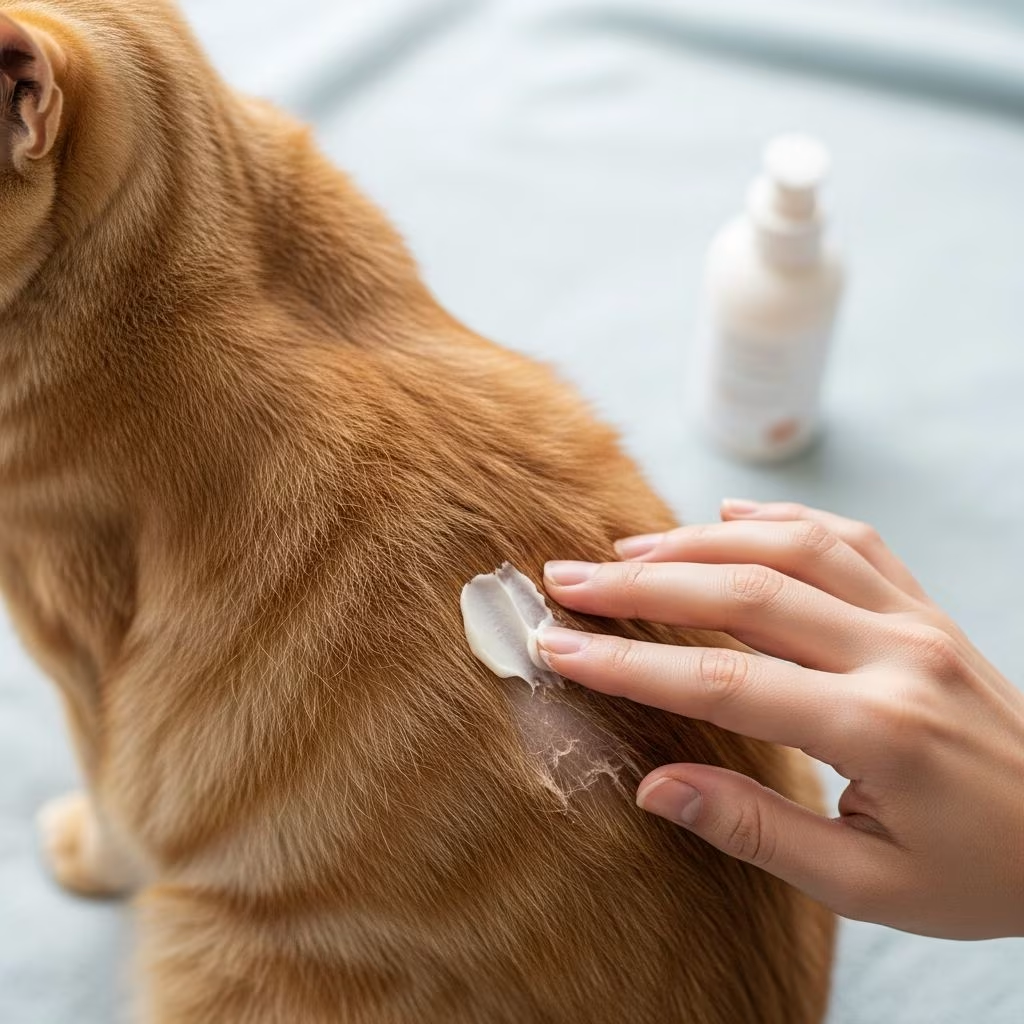
Dry skin in cats is a prevalent concern that affects their comfort, appearance, and overall well-being. While some pet owners assume this condition will resolve on its own, addressing the underlying causes can significantly improve your cat’s quality of life. Understanding what triggers skin dryness and implementing targeted solutions helps restore your feline companion’s healthy coat and comfortable skin.
Recognizing the Signs of Skin Dryness in Your Cat
Identifying dry skin early allows for faster intervention and prevents secondary complications. The most visible indicator is dandruff or flaking, which appears as white, powdery particles in your cat’s fur or on surfaces where they rest. When you part your cat’s fur to examine the skin beneath, it may appear dull or lackluster rather than the healthy pink tone of well-moisturized skin.
Behavioral changes often accompany skin dryness. Your cat may engage in excessive scratching, licking, or grooming more than usual as they attempt to relieve discomfort. In some cases, cats develop red, inflamed areas or small scabs from persistent scratching. If you notice your cat spending extended periods grooming specific body areas, this warrants attention from your veterinarian to rule out underlying medical issues.
Environmental Factors Contributing to Skin Dryness
One of the most significant contributors to feline dry skin is the environment in which your cat lives. Low humidity levels directly impact your cat’s skin by accelerating moisture evaporation. This problem intensifies during winter months when heating systems run continuously, removing moisture from indoor air. Similarly, air-conditioned environments during summer can create excessively dry conditions that affect your cat’s skin barrier.
The interaction between temperature control and skin hydration creates a cycle where indoor climate directly influences your cat’s dermatological health. Cats living in naturally arid climates or homes without proper humidity control face increased vulnerability to skin dryness throughout the year.
Managing Indoor Humidity Levels
Installing a humidifier in your home represents one of the most straightforward interventions. Ideally, place the humidifier in the area where your cat spends the most time, whether that’s a bedroom, living room, or dedicated cat space. Maintaining indoor humidity between 30-50% creates an optimal environment for your cat’s skin health.
Monitor your home’s humidity using an inexpensive hygrometer, which displays current moisture levels. This allows you to adjust humidifier settings based on seasonal changes and your cat’s response. During winter months when heating operates at maximum capacity, increasing humidifier usage can counteract the drying effects of artificial heating.
Nutritional Deficiencies and Dietary Solutions
A poorly balanced diet frequently underlies persistent skin dryness in cats. Cats require specific nutrients to maintain healthy skin and coat, and deficiencies in these essential components manifest as dry, flaky skin and diminished coat quality.
Essential Fatty Acids: The Foundation of Skin Health
Omega-3 and omega-6 fatty acids play crucial roles in maintaining your cat’s skin barrier and promoting moisture retention. These essential nutrients reduce inflammation, soothe irritated skin, and contribute to a glossy, healthy coat appearance. During cold, dry months, increasing fatty acid intake through dietary supplements or food modifications can significantly reduce dryness symptoms.
Fish oil supplements designed specifically for cats provide concentrated omega-3 fatty acids without requiring dietary overhaul. Before introducing any supplement, consult with your veterinarian to determine appropriate dosages and confirm compatibility with your cat’s current health status and medications.
Protein Content and Overall Diet Quality
High-quality protein supports skin structure and regeneration. A diet with elevated protein levels helps maintain healthy skin cells and promotes coat vitality. Additionally, wet food contains more moisture than dry kibble, providing supplemental hydration that benefits your cat’s overall skin health.
Transitioning partially or fully to wet food options increases your cat’s water intake and provides moisture directly through their diet. Some cats naturally prefer wet food, making this adjustment both beneficial and more palatable for picky eaters.
Vitamins Supporting Skin Health
Vitamin E functions as an antioxidant that protects cellular health while helping rehydrate dry skin. This nutrient supports your cat’s immune function and contributes to skin barrier integrity. Many quality commercial cat foods include vitamin E, but supplementation may be beneficial for cats with persistent dryness.
Ensure your cat’s diet includes all essential vitamins and minerals by selecting complete and balanced commercial cat food formulated to meet AAFCO standards. If you prepare homemade cat food, work with a veterinary nutritionist to ensure all nutritional requirements are met, as improper formulation commonly causes nutritional deficiencies.
Grooming Practices and Their Impact on Skin Condition
Your cat’s grooming habits significantly influence skin hydration and coat quality. Cats with mobility issues, obesity, or arthritis struggle to groom effectively, leading to poor skin maintenance and dryness. Additionally, excessive bathing strips away natural oils that protect and moisturize the skin.
While most cats are excellent self-groomers and rarely need bathing, certain situations may require washings. If bathing is necessary, use gentle, moisturizing shampoos formulated for cats rather than human products. Oatmeal-based shampoos offer particular benefits by soothing itchiness and inflammation while supporting moisture retention.
Post-Shampoo Conditioning
If your cat requires medicated shampoo for specific skin conditions, ask your veterinarian whether applying an oatmeal conditioner afterward is appropriate. These conditioners help counteract the drying effects of medicinal formulations while providing additional skin soothing benefits.
Addressing Stress as a Skin Health Factor
Psychological stress triggers physiological changes in cats that manifest as skin problems. Anxiety and stress increase cortisol levels, which impairs your cat’s skin’s ability to retain moisture. Changes in environment, routine, or social circumstances can elevate your cat’s stress response.
Creating a Stress-Reducing Environment
Several environmental modifications help minimize stress-related skin dryness:
- Maintain consistent routines for feeding, playtime, and interaction
- Ensure reliable access to clean litter boxes and fresh water dishes
- Increase interactive playtime to provide mental stimulation and physical exercise
- Create vertical spaces where your cat can observe their environment from elevated positions
- Provide hiding spots where your cat can retreat for security
These modifications reduce anxiety triggers while promoting overall well-being. Some cats benefit from pheromone-based products designed to calm feline behavior, though consult your veterinarian before introducing these products.
Topical Treatments and Moisturizing Agents
Beyond addressing underlying causes, topical applications provide direct skin support and relief from dryness symptoms.
Natural Moisturizing Ingredients
Oatmeal extract appears in specialized cat moisturizer sprays and shampoos, where it locks in moisture while soothing irritated or allergic skin. The proteins and fats in oatmeal benefit your cat’s fur, leaving it softer and less prone to tangles. Leave-on conditioners containing oatmeal help reduce flakiness and reinforce the skin’s natural moisture barrier.
Coconut oil is rich in fatty acids that moisturize dry skin effectively. Beyond hydration, coconut oil possesses antimicrobial properties that help combat mild skin infections. You can apply coconut oil directly to your cat’s fur, though start with small amounts to prevent your cat from ingesting excessive oil during grooming.
Application Methods and Precautions
When applying topical treatments, part your cat’s fur to reach the skin directly rather than just coating the fur surface. Focus on areas showing visible dryness or flaking. Most cats tolerate topical applications better when applied gradually and with patience. If your cat resists handling, start with brief applications and gradually increase duration as they acclimate.
When Medical Evaluation Becomes Necessary
While home interventions address many cases of feline dry skin, persistent conditions warrant professional evaluation. Underlying medical issues can manifest as skin dryness, requiring targeted treatment rather than general moisturizing approaches.
Conditions Requiring Veterinary Assessment
Parasitic infections, including fleas, lice, and mites, commonly cause skin irritation and dryness. Flea infestations particularly trigger skin inflammation and secondary dryness that may require treatment beyond flea elimination. Allergies—whether flea-related, food-based, or environmental—create skin inflammation and itching that manifests as dryness.
Underlying medical conditions such as hypothyroidism, seborrhea, or feline acne produce dry, scaly skin requiring specific medical treatment. Weight-related issues preventing proper grooming also necessitate veterinary attention. During your veterinary visit, your veterinarian will perform a thorough examination and may recommend diagnostic testing to identify underlying causes.
Comprehensive Treatment Strategy
Effective dry skin management typically combines multiple approaches rather than relying on single interventions. Address environmental factors through humidifier use, optimize your cat’s diet with appropriate nutrients and supplements, implement gentle grooming practices, and apply topical treatments as needed.
Create a systematic approach by:
- Identifying probable causes through careful observation of your cat’s environment, diet, and behavior
- Consulting your veterinarian to rule out medical conditions requiring professional treatment
- Implementing environmental changes like humidifier installation
- Modifying diet to include adequate fatty acids, protein, and vitamins
- Applying topical treatments suited to your cat’s skin condition
- Monitoring progress over several weeks to assess intervention effectiveness
Most cases show improvement within 4-6 weeks when multiple factors are addressed simultaneously. However, if skin dryness persists despite consistent home management, increased veterinary evaluation becomes essential to identify underlying conditions.
Seasonal Considerations and Year-Round Care
Dry skin in cats often follows seasonal patterns, with winter months presenting the greatest challenge due to heating system use and naturally lower humidity. Proactively increasing humidifier use, dietary fatty acids, and protective grooming during winter prevents severe dryness before it develops.
Summer air conditioning can similarly create dry conditions, particularly for cats spending time in heavily cooled indoor spaces. Adjusting intervention intensity based on seasonal needs maintains consistent skin health throughout the year.
References
- Cat Dandruff & Dry Skin Treatment: 6 Vet Tips & Cat Moisturizers — Sploot Veterinary Care. Accessed February 2026. https://www.splootvets.com/post/cat-dandruff-dry-skin-treatment-moisturizers
- 5 Treatments For Cat Dry Skin — PetCareRx. Accessed February 2026. https://www.petcarerx.com/article/5-treatments-for-cat-dry-skin/1467
- Learn How to Help Your Cat’s Dry Skin — Purina US. Accessed February 2026. https://www.purina.com/articles/cat/health/skin-fur-ears/help-for-your-cats-dry-skin
- Dry skin and dandruff in cats – Your Cat’s Skin — Douxo S3 UK. Accessed February 2026. https://www.douxo.com/sg_en/your-cat-s-skin/dandruff-dry-skin
- Why Does My Cat Have Dry Skin? — Gray Animal Hospital. Accessed February 2026. https://grayanimalhospitalinc.com/blog/cat-with-dry-skin/
- Itchy Cat? Possible Causes and When To Worry — PetMD. Accessed February 2026. https://www.petmd.com/cat/symptoms/itchy-cat-causes-and-when-to-worry



