

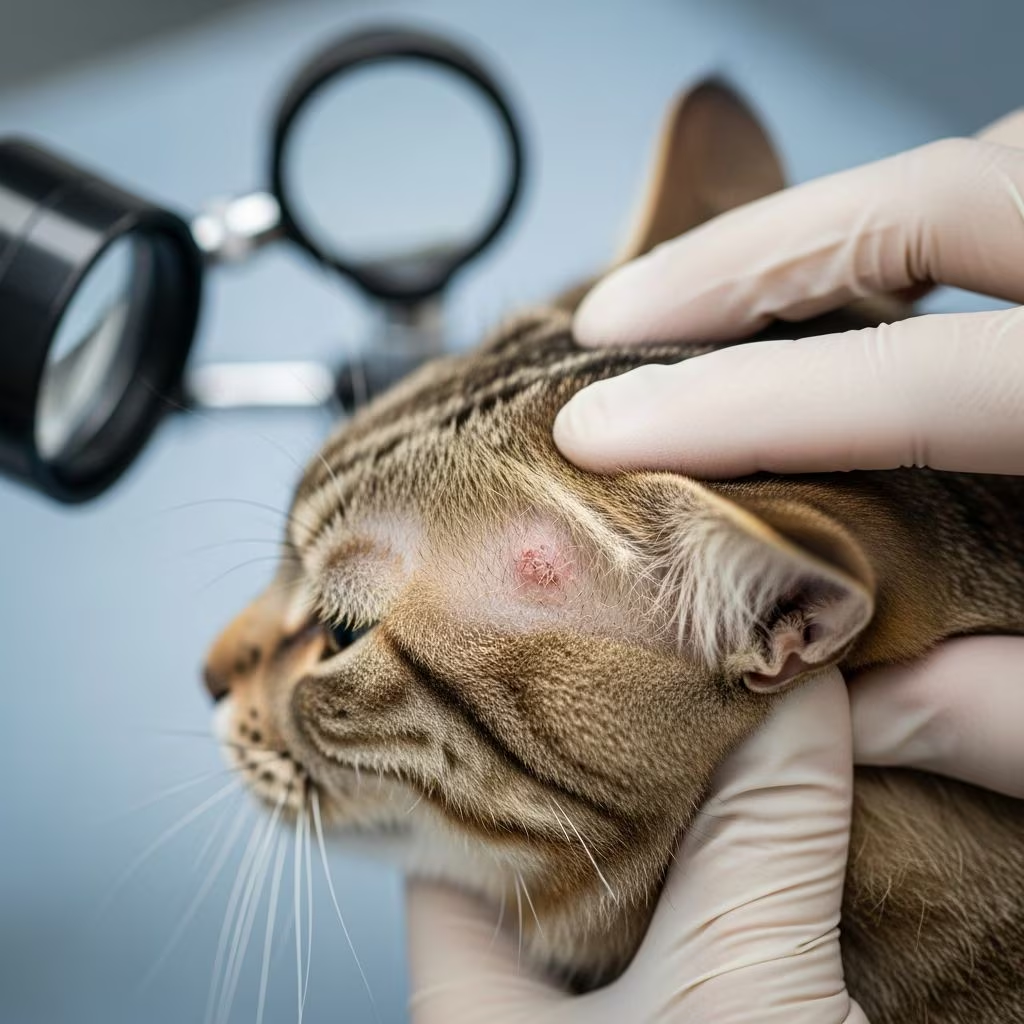
Skin disorders represent one of the most frequently encountered health concerns in cats, affecting their comfort, quality of life, and overall wellbeing. Unlike some acute health conditions that resolve quickly, skin problems often require sustained management and a thorough understanding of underlying causes. The key to successful treatment lies not merely in addressing visible symptoms but in identifying and eliminating the root cause of the condition. This comprehensive guide explores the various therapeutic strategies veterinarians employ to manage feline skin disorders effectively.
The Foundation of Effective Skin Treatment: Accurate Diagnosis
Before implementing any treatment plan, establishing an accurate diagnosis is paramount. Many feline skin conditions present with overlapping symptoms—such as hair loss, itching, and scabbing—making clinical observation alone insufficient. Veterinarians utilize multiple diagnostic tools including skin scrapings, fungal cultures, microscopic examination, and sometimes allergy testing to differentiate between conditions. This diagnostic precision ensures that treatment targets the actual problem rather than merely providing temporary symptomatic relief.
The distinction between treating symptoms and treating underlying causes cannot be overstated. A cat presenting with intense itching and hair loss might be reacting to flea saliva, environmental allergens, or a bacterial infection. Each scenario demands a completely different therapeutic approach. When veterinarians address only the itch without resolving the underlying trigger, the condition typically recurs once treatment concludes.
Parasitic Infestations: Targeted Elimination Strategies
Flea-Related Skin Disease
Fleas trigger some of the most common and troublesome skin conditions in cats. Flea allergy dermatitis occurs when cats develop a hypersensitivity to flea saliva, meaning even a single flea bite can provoke an intense allergic response. Affected cats experience severe itching, particularly around the base of the tail, flanks, and belly, along with redness, scabbing, and significant hair loss.
Treatment for flea-related conditions follows a multi-layered approach:
- Complete flea elimination using prescription-strength preventatives applied topically or administered orally
- Environmental treatment to destroy flea eggs and larvae in bedding, furniture, and carpeting
- Treatment of all household pets simultaneously, as fleas can transfer between animals
- Application of anti-itch medications to provide immediate relief while elimination takes effect
- Short courses of corticosteroids or antihistamines to reduce inflammation and allergic response
Veterinarians emphasize that prevention is more effective than treatment. Once a cat has developed flea allergy dermatitis, even brief re-exposure to fleas can restart the cycle of allergic reaction and self-trauma through scratching.
Mite Infestations
Ear mites and other parasitic mites require similarly aggressive elimination strategies. Treatment typically includes prescription antiparasitic medications, thorough ear cleaning, and topical or systemic medications to kill mites and soothe inflamed tissue. The entire household must receive treatment, as these parasites can spread between pets.
Allergic Skin Reactions: Individualized Management
Environmental Allergen Responses
Atopic dermatitis develops when cats become hypersensitive to environmental allergens such as pollen, dust mites, mold spores, or household chemicals. Unlike flea allergy dermatitis, which typically concentrates on the rear half of the body, environmental allergies may manifest across various body regions including the face, ears, paws, and entire body surface.
Managing environmental allergies requires a comprehensive strategy combining multiple interventions:
- Identification of allergen triggers through environmental assessment and possible allergy testing
- Reduction or elimination of identified allergens from the cat’s living space
- Use of prescription antihistamines to prevent allergic cascade reactions
- Topical medications including creams, sprays, and medicated wipes to calm inflamed skin
- Short-term corticosteroid therapy during acute flare-ups
- Long-term skin support through omega-3 fatty acid supplementation
Food-Related Allergic Dermatitis
Cats can develop adverse reactions to specific food ingredients, most commonly meat proteins. Cutaneous adverse food reactions present similarly to environmental allergies but require different management. Diagnosis typically involves an elimination diet trial using a prescription hypoallergenic formula containing novel protein sources the cat has never consumed. If skin conditions improve during the trial period and worsen upon reintroduction of the original diet, food allergy is confirmed.
Once identified, lifelong dietary management with prescription foods prevents symptom recurrence. Some cats benefit from rotating between hypoallergenic diets to prevent developing new sensitivities.
Infectious Skin Conditions: Antimicrobial and Antifungal Approaches
Fungal Infections
Ringworm, despite its misleading name, represents a fungal infection rather than a parasitic infestation. The condition produces circular patches of hair loss, scaling, and sometimes redness. The zoonotic nature of ringworm—meaning it transmits readily to humans and other pets—necessitates prompt diagnosis and aggressive treatment.
Ringworm treatment combines multiple modalities:
- Topical antifungal medications applied directly to affected areas
- Systemic oral antifungal medications for widespread or resistant infections
- Environmental decontamination including thorough cleaning of bedding, furniture, and grooming supplies to eliminate fungal spores
- Isolation of affected cats to prevent transmission to other household pets
- Treatment of all household animals, including asymptomatic carriers
Bacterial Skin Infections
Pyoderma, or bacterial skin infection, frequently develops secondarily following other skin conditions that compromise skin barrier integrity. Intense scratching from allergies or parasites creates openings where bacteria proliferate, causing pustules, oozing lesions, and crusty formations, particularly in skin folds or areas of moisture accumulation.
Treating bacterial infections requires addressing both the infection and the underlying cause:
- Antibiotic therapy prescribed based on culture and sensitivity testing when possible
- Antiseptic or medicated baths using therapeutic shampoos that eliminate bacterial colonization
- Identification and treatment of the primary condition that enabled secondary bacterial infection
- Prevention of self-trauma through Elizabethan collars if necessary
- Topical antimicrobial sprays or ointments to promote healing
Specialized Skin Conditions: Targeted Treatment Protocols
Feline Acne and Chin Dermatitis
Feline acne presents as blackheads and pustules along the chin and lips, resembling adolescent acne in humans. Contributing factors include poor grooming, plastic food bowls that harbor bacteria, stress, and underlying skin conditions. Without intervention, secondary bacterial infection can develop, causing pain and swelling.
Treatment approaches include:
- Regular cleaning of the chin and lip area with warm water and gentle antiseptic solutions
- Replacement of plastic food dishes with stainless steel or ceramic alternatives to reduce bacterial exposure
- Topical antibacterial or antifungal treatments
- Oral antibiotics when secondary infection occurs
- Stress reduction measures to decrease inflammatory flare-ups
Miliary Dermatitis
Miliary dermatitis presents as multiple small crusty bumps, frequently distributed along the back and neck region. This condition often represents a reaction pattern to underlying causes rather than a primary disease itself, with fleas, environmental allergies, and food sensitivities serving as common triggers.
Management strategies focus on identifying and eliminating the underlying trigger:
- Comprehensive flea control applied year-round, even for indoor cats, since fleas may reside indoors
- Treatment of all household pets simultaneously
- Short courses of corticosteroids to reduce inflammation and itching
- Medicated shampoos or sprays to soothe affected skin
- Antibiotic therapy if secondary bacterial infection is identified through cytology
Autoimmune Skin Diseases
Rare autoimmune conditions such as pemphigus foliaceus require specialized immunosuppressive therapy. These conditions cause severe crusting, scaling, and ulceration primarily affecting the face, ears, and paws. Early veterinary intervention using immunosuppressive medications prevents progression and reduces pain.
Symptomatic Relief and Supportive Care
Anti-Inflammatory and Antihistamine Medications
Even while treating underlying causes, cats require symptomatic relief to reduce suffering and prevent self-inflicted trauma through excessive scratching or grooming. Corticosteroids remain the most commonly prescribed anti-inflammatory medications, available as injections, oral tablets, or topical formulations. These medications rapidly reduce itching and inflammation, though long-term use requires careful monitoring.
Newer anti-inflammatory medications offer alternatives to traditional corticosteroids, providing itch relief through different mechanisms. Antihistamines such as diphenhydramine (Benadryl) or cetirizine (Zyrtec) prove most effective at preventing allergic reactions rather than treating established symptoms, but they contribute to comprehensive allergy management strategies.
Topical Medications and Physical Barriers
Medicated shampoos, creams, ointments, and sprays provide localized treatment while minimizing systemic medication exposure. Specialized formulations target specific problems—antifungal shampoos for ringworm, antiseptic formulations for bacterial infections, and soothing preparations containing colloidal oatmeal or other natural ingredients for irritated skin.
Elizabethan collars prevent cats from reaching affected areas, allowing skin to heal without continuous trauma from licking and scratching. While cats often resist these devices, their temporary use accelerates healing significantly.
Nutritional Support and Long-Term Management
Nutrition profoundly influences skin health and inflammatory response. Cats with chronic skin conditions benefit from comprehensive skin health supplements containing omega-3 and omega-6 fatty acids, which reduce systemic inflammation and support skin barrier function. These supplements work synergistically with other treatments rather than replacing them.
Prescription hypoallergenic diets provide essential nutrition while eliminating common allergens. The quality of dietary fat, protein sources, and micronutrient composition all contribute to skin resilience and healing capacity. Many veterinarians recommend lifetime dietary management for cats with food-related dermatitis.
Environmental Modifications and Preventive Strategies
Beyond medication, environmental adjustments significantly impact treatment success. Reducing household humidity minimizes dust mite populations and mold growth. Using HEPA air filtration removes airborne allergens. Stress reduction through environmental enrichment, consistent routines, and anxiety-reducing supplements decreases inflammatory responses to allergens.
Maintaining meticulous home hygiene—regular vacuuming, washing bedding in hot water, and cleaning surfaces—reduces parasite eggs and environmental allergens. Grooming with appropriate products formulated for sensitive skin prevents irritation while maintaining the skin barrier.
Treatment Timeline and Owner Expectations
Cat owners should understand that skin conditions rarely resolve overnight. Parasitic infestations require weeks of preventative treatment to break reproductive cycles. Allergic conditions demand ongoing management, as complete elimination of environmental allergens proves impossible. Fungal infections necessitate months of consistent treatment before complete resolution.
Communication between veterinarian and owner remains essential throughout treatment. Regular reassessment allows adjustment of medications, evaluation of treatment effectiveness, and identification of complications. Some cats require seasonal treatment intensification, while others need year-round maintenance therapy.
References
- Skin Conditions in Cats: Types, Symptoms & Treatment — UrgentVet. 2024. https://urgentvet.com/skin-conditions-in-cats-types-symptoms-treatment/
- Common Cat Skin Problems & How To Recognize Them — Bond Vet. 2024. https://bondvet.com/blog/cat-skin-problems
- Cat Miliary Dermatitis: Causes and Treatment — MedVet. 2024. https://www.medvet.com/cat-miliary-dermatitis-causes-and-treatment/
- Cat skin conditions: Signs, causes and management — Royal Canin. 2024. https://www.royalcanin.com/us/es-us/cats/health-and-wellbeing/cat-skin-conditions-signs-causes-and-management
- Common skin conditions for Cats — Paducah Veterinary Clinic. 2024. https://www.paducahvet.com/blog/1266761-common-skin-conditions-for-cats



