

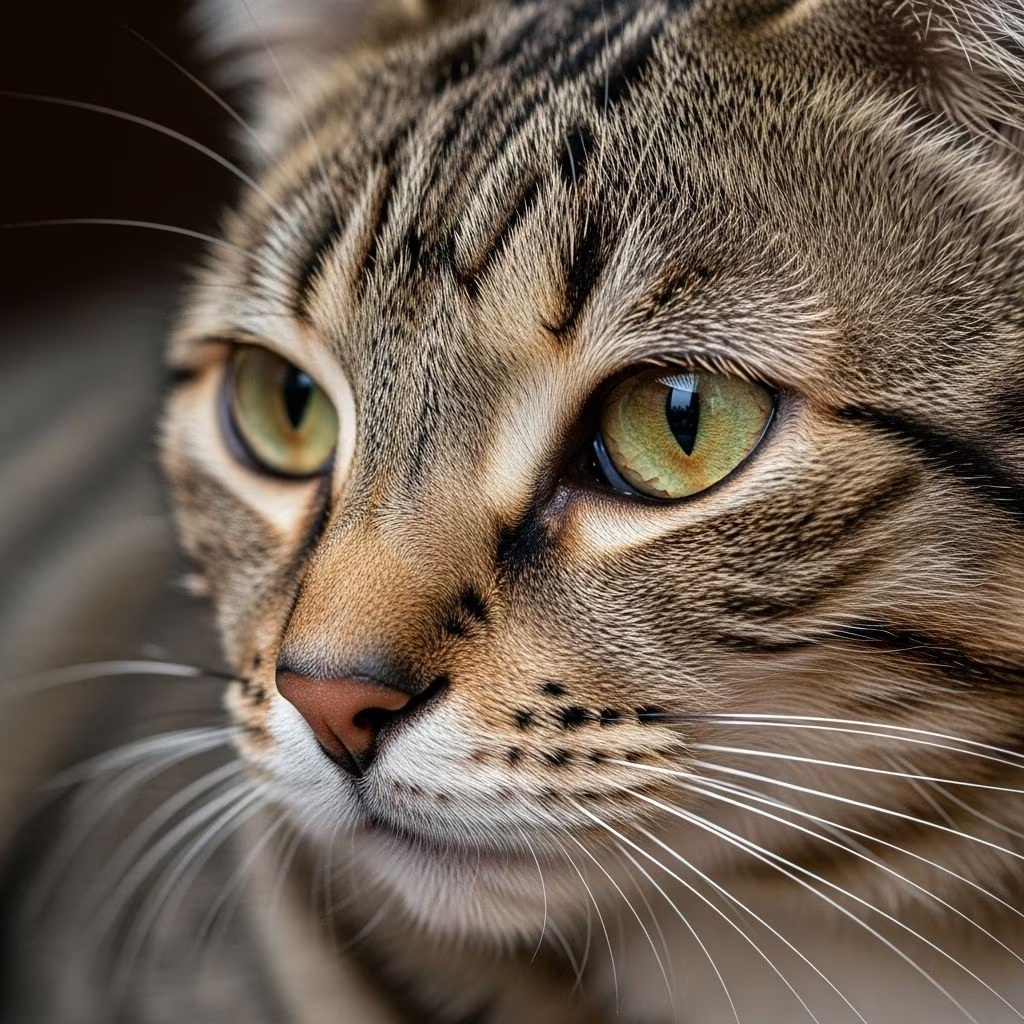
Feline herpesvirus type 1 (FHV-1), also known as feline viral rhinotracheitis, is a highly contagious upper respiratory infection affecting cats worldwide. While there is no cure, targeted treatments and preventive measures can significantly reduce symptoms and flare-ups, allowing infected cats to lead normal lives.
Understanding the Nature of Feline Herpesvirus
FHV-1 belongs to the herpesvirus family, similar to the human cold sore virus, and establishes lifelong latency in infected cats after initial exposure. Kittens and immunocompromised adults are particularly vulnerable, with transmission occurring through direct contact with infected saliva, nasal secretions, or eye discharge.
Once infected, the virus integrates into nerve cells, remaining dormant until triggered by stress, illness, or environmental changes. Primary infections often strike young cats in shelters or catteries, where overcrowding facilitates rapid spread.
Common Clinical Manifestations
Symptoms typically appear 2-6 days post-exposure and mimic a severe cold. Key signs include:
- Sneezing and nasal congestion with clear to purulent discharge
- Eye issues such as conjunctivitis, excessive tearing, squinting, or corneal ulcers
- Oral ulcers causing drooling, foul breath, and reluctance to eat
- Fever, lethargy, and loss of appetite
- In severe cases, coughing, pneumonia, or skin lesions around the eyes and nose
Secondary bacterial infections frequently complicate the viral illness, turning serous discharges mucopurulent and prolonging recovery.
Diagnostic Approaches for Accurate Identification
Veterinarians diagnose FHV-1 based on clinical signs, history, and exclusion of similar conditions like feline calicivirus. PCR testing of swabs from eyes, nose, or throat confirms viral presence, while viral isolation provides definitive proof, though it’s less common due to cost.
Fluorescent antibody staining of corneal scrapes detects antigen in ocular cases. Blood tests for antibodies indicate exposure but not active infection, as most adult cats show prior exposure.
Core Treatment Strategies
Treatment focuses on symptom relief, viral suppression, and preventing complications, tailored to severity.
Antiviral Medications
Famciclovir, an oral human antiviral adapted for cats, shortens outbreak duration and reduces viral shedding when dosed at 40-90 mg/kg twice daily for 2-3 weeks in severe cases.
Topical options like trifluridine or cidofovir eye drops target ocular herpes, applied 4-6 times daily to combat corneal dendrites and ulcers.
Antibiotics for Secondary Infections
Doxycycline (5-10 mg/kg every 12-24 hours) or azithromycin addresses bacterial overgrowth in sinuses and lungs, typically for 7-14 days.
Supportive and Nutritional Interventions
| Supportive Measure | Purpose | Application |
|---|---|---|
| IV Fluids | Hydration and nutrition | Hospitalization for anorexic cats |
| Nebulization/Humidification | Clear airways | Steamy bathroom sessions 2-3x daily |
| Lysine Supplementation | Inhibit viral replication | 500 mg BID adults; 250 mg BID kittens |
| Probiotics (e.g., FortiFlora) | Boost immunity, shorten illness | Daily packets |
For mild cases, home care suffices; severe pneumonia or dehydration warrants hospitalization.
Long-Term Control and Flare-Up Prevention
Latently infected cats (up to 80% of the population) benefit from ongoing strategies:
- L-Lysine Daily: 250-500 mg prevents recurrences by competing with arginine needed for viral replication, though efficacy debates persist—still recommended by many ophthalmologists for bolused doses.
- Stress Minimization: Pheromone diffusers (Feliway), stable routines, and ample resources reduce triggers.
- Immunostimulants: Polyprenyl or probiotics enhance cellular immunity.
Vaccination: A Key Preventive Tool
Core FVRCP vaccines (modified live or inactivated) mitigate primary infection severity and reduce shedding, administered starting at 6-8 weeks with boosters. They don’t prevent latency but lessen disease impact.
Intranasal vaccines offer mucosal immunity for high-risk environments like shelters.
Home Care Essentials During Outbreaks
Owners play a vital role:
- Gently clean crusty eyes/nose with warm saline-soaked cotton balls.
- Encourage eating with warmed, aromatic wet food or syringe feeding.
- Isolate from other cats; disinfect surfaces with bleach (1:32 dilution).
- Monitor for worsening (e.g., blue cornea, open-mouth breathing) and seek prompt vet care.
Prognosis and Potential Complications
With prompt intervention, 90% of cats recover from primary infections in 10-21 days. Chronic carriers risk recurrent keratitis, leading to scarring or vision loss if untreated. Kittens under 6 weeks face higher mortality from pneumonia.
Carrier queens can transmit congenitally, emphasizing breeding stock screening.
Frequently Asked Questions
Can feline herpesvirus be cured?
No, it’s lifelong, but manageable with antivirals and supplements to minimize outbreaks.
Is L-lysine effective for all cats?
It reduces severity in many, especially with consistent dosing, though some studies question broad efficacy—consult your vet.
How contagious is FHV-1?
Highly, via direct contact or fomites; shedding peaks during stress.
Should I vaccinate my indoor cat?
Yes, as core protection; even low-exposure cats benefit from reduced symptom severity.
What if my cat has eye symptoms?
Seek immediate care to prevent ulcers; topical antivirals are first-line.
Emerging Therapies and Research Directions
Recent studies explore novel antivirals and gene therapies targeting latency. Famciclovir pharmacokinetics confirm safety at therapeutic doses, with ongoing trials for pediatric formulations. Probiotic strains like Enterococcus faecium show promise in modulating immunity.
Veterinary ophthalmology advances, such as Thomasy and Maggs’ work, validate lysine’s role in shedding reduction for naive cats.
References
- Feline Herpesvirus (FHV-1) — Veterinary Specialty Center. Accessed 2026. https://www.vetspecialty.com/specialties/internal-medicine/feline-herpesvirus-fhv-1/
- Feline Herpes (FVR and FHV-1): Symptoms and Treatment — WebMD. Accessed 2026. https://www.webmd.com/pets/cats/feline-herpes-symptoms-treatment
- Feline Herpes Signs, Symptoms & Treatment Options — UVS Online. Accessed 2026. https://www.uvsonline.com/feline-herpes-virus-infection/
- Feline Herpesvirus 1 (FHV-1) Infection — PetMD. Accessed 2026. https://www.petmd.com/cat/conditions/infectious-parasitic/c_ct_feline_rhinotracheitis
- Feline Herpesvirus: Therapeutic Review — MSPCA-Angell. Accessed 2026. https://www.mspca.org/angell_services/feline-herpesvirus-therapeutic-review/
- Feline Herpes: Symptoms and Treatment — Partners Veterinary Animal Health. Accessed 2026. https://partnersvetavl.com/?p=2670
- Herpesvirus Infection in Cats (Feline Viral Rhinotracheitis) — VCA Animal Hospitals. Accessed 2026. https://vcahospitals.com/know-your-pet/feline-herpesvirus-infection-or-feline-viral-rhinotracheitis
- GUIDELINE for Feline Herpesvirus infection — ABCD cats & vets. Accessed 2026. https://www.abcdcatsvets.org/guideline-for-feline-herpesvirus-infection/



