

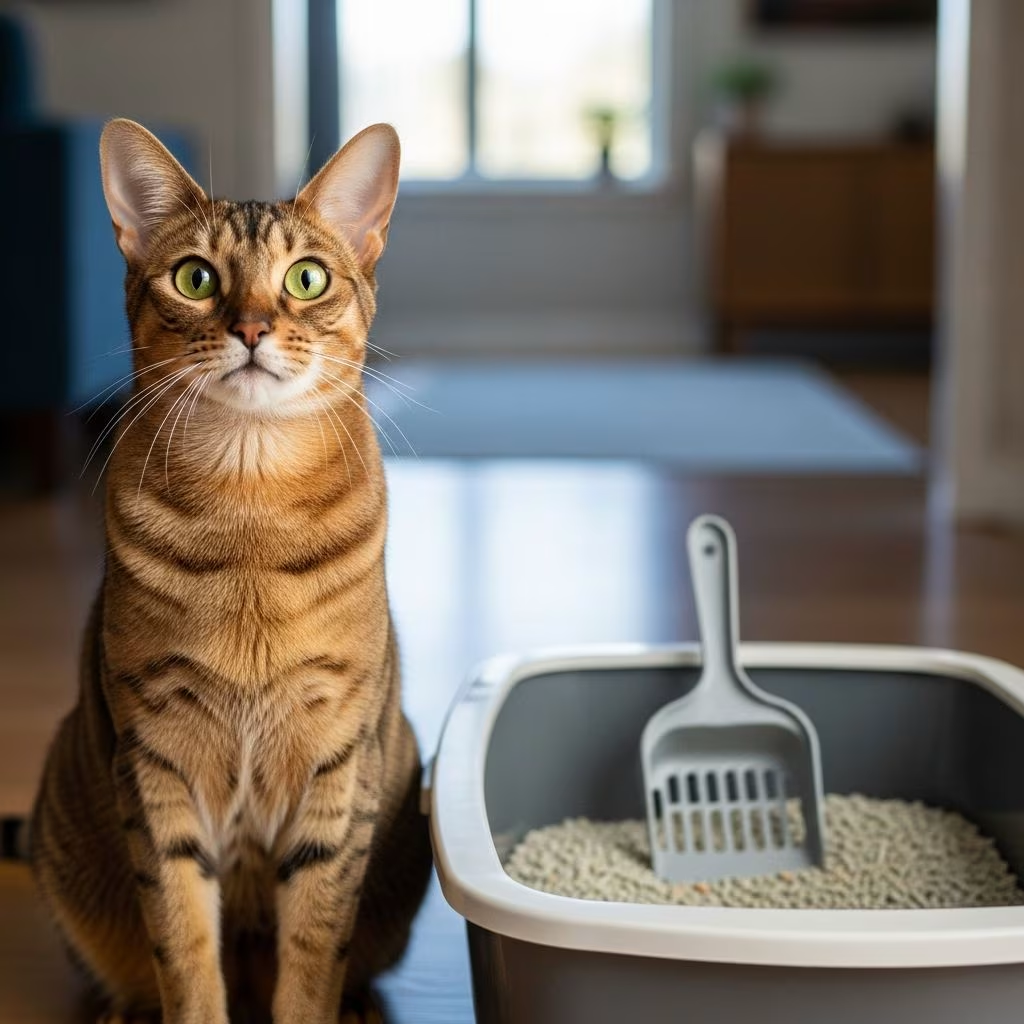
Litter box avoidance and inappropriate elimination represent some of the most frustrating challenges cat owners face. When cats stop using their designated bathroom facilities, the underlying causes can range from straightforward environmental issues to complex medical conditions. Understanding the multifaceted nature of these problems is essential for developing effective solutions that restore your cat’s proper litter box habits.
The Critical First Step: Medical Evaluation
Before addressing behavioral or environmental factors, a veterinary examination is absolutely essential. Many cats with litter box problems are experiencing physical discomfort or medical complications that drive their avoidance behavior. Urinary tract infections (UTIs) represent one of the most common medical culprits, causing painful and frequent urination that may prompt cats to seek alternative elimination locations. Older cats frequently develop arthritis, which makes climbing into traditional litter boxes painful or impossible. Additionally, diabetes, kidney disease, hyperthyroidism, and inflammatory bowel conditions can all influence litter box behavior.
Medical professionals can identify these underlying conditions through physical examination, urinalysis, and diagnostic imaging when appropriate. Once underlying medical issues are ruled out or treated, you can confidently address behavioral and environmental solutions.
Environmental Factors That Influence Litter Box Use
Box Accessibility and Design Considerations
The physical characteristics of your litter box significantly impact your cat’s willingness to use it. Box size matters considerably—many cats require adequate space to position themselves comfortably. A box that feels cramped or forces your cat into an awkward position may encourage elimination elsewhere. For cats experiencing elimination outside the box, enlarging to a bigger box frequently resolves the issue.
Box height presents another critical consideration. Shallow litter boxes prove particularly important for kittens, senior cats, and those with mobility challenges. If your cat must struggle to climb over high box walls, she may choose more accessible locations. Conversely, some cats prefer covered boxes that provide a sense of security and privacy, while others feel trapped and anxious in enclosed spaces. Observing your individual cat’s preferences guides whether to use covered or uncovered designs.
Litter Box Quantity and Placement Strategy
A fundamental principle in feline elimination management states: provide one litter box per cat, plus one additional box. In multi-cat households, this ensures every cat has accessible facilities and prevents one cat from monopolizing or blocking access to boxes. Single-cat homes still benefit from multiple boxes placed in different locations.
Strategic placement dramatically influences usage rates. Position boxes away from food and water dishes, as cats naturally prefer to eliminate away from eating areas. Ensure boxes are easily accessible and provide multiple escape routes, which proves especially important if a cat feels ambushed or trapped. In homes with other pets or children, create safe zones around boxes using baby gates or pet doors that allow cat access while preventing interruptions.
Litter Selection and Texture Preferences
Cats demonstrate specific surface and texture preferences for elimination. Understanding your cat’s preferences guides appropriate litter selection. Cats that were previously outdoor cats often prefer earth-like substrates and may respond well to litter boxes containing soil or sod. Indoor cats typically prefer loose, sandy substances that mimic natural soil.
Some cats display strong texture preferences, consistently eliminating on soft surfaces like carpets, bedding, or clothing. Others prefer slick surfaces such as tile, bathtubs, or sinks. These preferences provide valuable diagnostic information. If your cat eliminates on carpet, try adding soft-textured materials like a rug under the litter box or using high-quality, scoopable litter with finer particles. For cats preferring smooth surfaces, experiment with minimal litter (a very thin layer at one end of the box) or leaving one section bare.
Litter depth preferences vary among individual cats. Most cats prefer approximately 2-4 inches, but some prefer deeper accumulation while others want minimal coverage. Experimentation with different depths often reveals your specific cat’s ideal arrangement. Additionally, unscented litter generally proves more appealing than heavily fragranced varieties, as cats find strong odors objectionable.
Addressing Specific Elimination Patterns
Reducing Litter Scatter and Tracking
Some cats display enthusiastic digging behavior that scatters litter throughout your home. Higher-sided litter boxes or larger containers contain more substrate within the box. The litter level within the box influences scatter behavior—experiment with different depths to identify your cat’s optimal amount. Using litter mats placed under and around the box captures escaped litter and prevents tracking throughout your home.
Managing Multiple-Cat Litter Box Dynamics
In households with several cats, one cat may face exclusion from litter box use due to aggression, territorial behavior, or intimidation from other cats. Strategic placement in different areas with multiple available boxes ensures every cat has private access. If particular cats guard boxes or block access, spatial separation becomes necessary. Increasing box availability while separating them throughout your home typically resolves these competitive dynamics.
Eliminating Lingering Odors and Inappropriate Sites
After a cat eliminates outside the litter box, residual urine and fecal odors attract return visits to the same location. Enzymatic cleaners specifically designed for pet messes break down the chemical compounds in urine and feces, effectively eliminating odors that cats can detect even when humans cannot. Thorough enzymatic cleaning of previously soiled areas is essential for breaking the inappropriate elimination cycle.
Making previously soiled areas aversive discourages future elimination in those spots. Covering affected areas with aluminum foil, plastic carpet runners with the nubby side facing up, or double-sided sticky tape creates uncomfortable surfaces cats avoid. Placing citrus-scented cotton balls in problem areas provides additional deterrent, as most cats dislike citrus odors. After several weeks without inappropriate elimination in treated areas, gradually remove the covering.
Maintaining Optimal Litter Box Hygiene
Cleanliness dramatically influences litter box acceptance. Cats are naturally fastidious and refuse to use dirty facilities. Daily scooping—ideally twice daily—removes waste before odor accumulates and makes the box unappealing. Weekly complete litter replacement with box cleaning and disinfection maintains sanitary conditions.
Old litter boxes develop scratches and accumulated odors that persist despite cleaning efforts. Replacing boxes every 12-24 months ensures optimal sanitation. If introducing a new box, place it alongside the existing one initially so your cat learns its location and availability. Gradually increase cleaning frequency in the preferred new box while reducing frequency in the old box, eventually discarding the outdated container.
Environmental Stress Reduction and Enrichment
Environmental stress frequently triggers litter box problems. Cats experiencing anxiety, fear, or conflict may avoid established bathroom areas. Creating calm environments through consistent routines, minimizing environmental changes, and providing safe spaces supports emotional wellbeing and litter box compliance.
Enrichment activities reduce stress and promote natural behaviors. Adequate playtime, climbing structures, hiding spots, and window perches provide mental stimulation and territorial security. Pheromone diffusers that release calming compounds can reduce anxiety in stressed cats. These environmental modifications address underlying stress that may drive litter box avoidance.
Troubleshooting Resistant Cases
When standard interventions fail, systematic evaluation becomes necessary. Create a detailed log documenting elimination patterns—which locations, when incidents occur, whether the cat uses the litter box at all, and what changes preceded the problem. This information helps identify patterns and potential triggers.
Consider trial-and-error approaches with litter variables: different types (clumping, pellet, paper, pine, corn), different depths, different box sizes, and different locations. Setups with multiple boxes containing different litter types allow your cat to indicate preferences. Patience and observation guide the path to resolution.
Preventing Future Litter Box Problems
Establishing proper litter box habits from kittenhood prevents many adult problems. Kittens naturally gravitate toward loose substrates for elimination but benefit from gentle guidance to the litter box. Placing young cats in boxes after meals and naps reinforces appropriate behavior.
Maintaining consistent routines, regular veterinary care, environmental stability, and appropriate box management throughout your cat’s life prevents problem development. Early intervention when minor issues emerge prevents escalation into serious behavioral patterns.
Frequently Asked Questions
How long does it typically take to resolve litter box problems?
Resolution timeframes vary depending on problem cause and duration. Medical issues may resolve quickly once treated, while behavioral patterns established over months or years require longer reconditioning. Most cats show improvement within 2-4 weeks of implementing environmental changes, though some cases require 8-12 weeks or longer for complete resolution.
Should I punish my cat for inappropriate elimination?
Punishment proves counterproductive and damages your relationship with your cat. Cats do not connect punishment with past behavior and may become anxious around litter boxes or their owners. Positive reinforcement for appropriate box use and environmental modification to discourage inappropriate elimination work far more effectively.
Can stress truly cause litter box problems?
Yes, stress significantly influences litter box behavior. Changes in household composition, moving, loud noises, conflicts with other pets, or schedule changes can trigger elimination problems. Identifying and minimizing stress sources while providing enrichment addresses this behavioral driver.
What if my cat uses the litter box sometimes but not consistently?
Inconsistent use suggests your cat prefers certain boxes or locations over others, or environmental factors vary by location. Evaluate box placement, design, and litter type in each area. Increase the number of boxes and ensure at least one matches your cat’s preferences perfectly.
References
- Solving Litter Box Problems — Oregon Humane Society. Accessed January 2026. https://www.oregonhumane.org/solving-litter-box-problems/
- Solutions to 8 Common Cat Litter Box Issues — Chewy. Accessed January 2026. https://www.chewy.com/education/cat/training-and-behavior/8-common-cat-litter-box-problems-and-solutions
- Troubleshooting Litter Box Issues — Alley Cat Allies. Accessed January 2026. https://www.alleycat.org/community-cat-care/troubleshooting-litterbox-issues/
- Cat Not Using Litter Box: Causes and Solutions — Best Friends Animal Society. Accessed January 2026. https://bestfriends.org/pet-care-resources/cat-not-using-litter-box-causes-and-solutions
- Litter Box Issues in Cats: Medical vs. Behavioral Causes — Partners Veterinary Avian and Exotic. Accessed January 2026. https://partnersvetavl.com/litter-box-issues-in-cats-medical-vs-behavioral-causes/
- Preventing and Solving Litter Box Problems — Animal Humane Society. Accessed January 2026. https://www.animalhumanesociety.org/resource/preventing-and-solving-litter-box-problems



