
Managing Feline Elimination Accidents at Home
Complete guide to safely removing cat waste and odors from your home
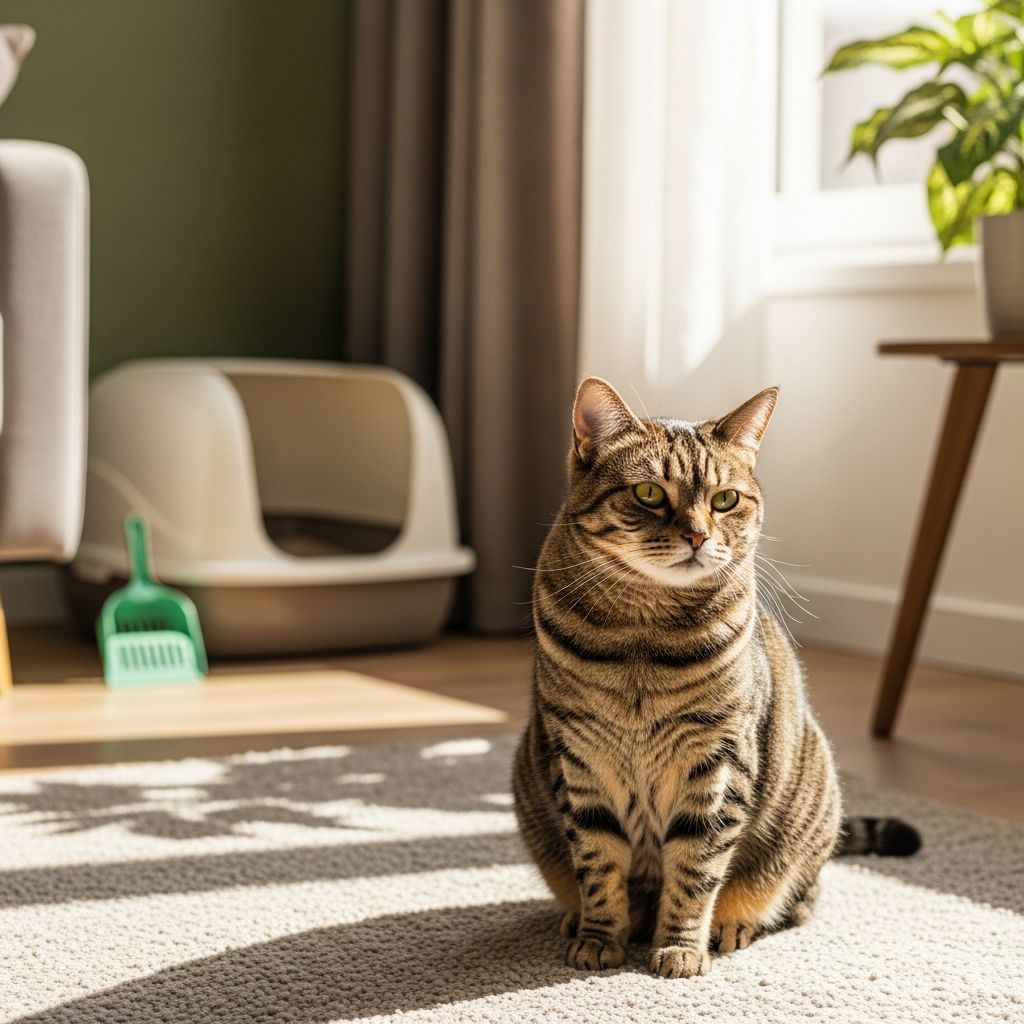
Pet accidents happen, and when your cat has a bathroom mishap outside the litter box, knowing the right cleanup approach makes all the difference. Unlike other household messes, cat waste requires specialized treatment because of its unique chemical composition. Understanding the science behind effective cleaning and implementing proper techniques will help restore your home and discourage repeat incidents.
Understanding the Challenge of Cat Waste Cleanup
Cat elimination accidents present particular challenges that standard household cleaners cannot address. The issue lies in the molecular structure of feline urine, which contains compounds that regular soap and water fail to eliminate completely. When cleaning agents don’t fully remove these compounds, residual odors persist and can actually encourage cats to reuse the same spot repeatedly.
Cat urine contains uric acid and urea, which break down into ammonia when exposed to moisture. This is why the smell intensifies over time if not properly treated. Additionally, the fatty residues left behind serve as territorial markers, signaling to your cat that this is an acceptable elimination zone.
Why Standard Cleaners Fall Short
Many pet owners make the mistake of using conventional household products like bleach, ammonia-based cleaners, or simple soap and water solutions. These approaches fail for several reasons. Ammonia and bleach-based products actually mimic the scent of cat urine, potentially attracting your cat back to the same location rather than deterring them. Soap and water may remove visible staining but leave behind the problematic uric acid crystals that reactivate when exposed to moisture or humidity.
The fundamental problem is that standard cleaners lack the biological mechanisms needed to break down the specific compounds found in cat waste. This is where specialized cleaning products become essential components of your cleanup arsenal.
The Science Behind Enzymatic Cleaners
Enzymatic cleaners represent the most effective solution for cat waste removal because they target the root cause of persistent odors. These products contain specialized enzymes designed to break down uric acid and other organic compounds that create feline elimination smells. When enzymes encounter these compounds, they essentially dismantle them at the molecular level, neutralizing odors rather than simply masking them.
The biological approach used by enzymatic cleaners works in conjunction with natural decomposition processes. Rather than attempting to cover up or chemically alter the smell, enzymes accelerate the breakdown of offensive compounds into neutral substances. This is why veterinary experts and professional cleaners consistently recommend enzymatic solutions for cat-related accidents.
Surface-Specific Cleaning Approaches
Treating Carpeted Areas
Carpeted surfaces present the most challenging cleanup scenario because urine can penetrate through multiple layers. The process requires patience and multiple treatment stages to ensure complete remediation.
Begin by blotting up as much liquid as possible using paper towels or old cloth materials. Press down firmly and repeatedly to absorb maximum moisture. Once you’ve removed excess liquid, sprinkle baking soda generously over the affected area and allow it to sit for approximately ten minutes to continue moisture absorption.
Next, create a cleaning solution by mixing vinegar with baking soda, which creates a fizzing action that helps lift stains. Apply this solution and blot with fresh cloth materials. For deeper penetration, prepare a hydrogen peroxide mixture combined with a small amount of dish soap. Rub this solution into carpet fibers, then blot quickly to prevent color fading.
The critical final step involves enzyme treatment. After waiting approximately 24 hours, thoroughly soak the cleaned area with an enzymatic cleaner designed for pet urine. This ensures that any remaining uric acid crystals are broken down. Allow the enzyme cleaner to air dry completely, which may take one to two days. During this drying period, block access to the treated area using a laundry basket or aluminum foil to prevent your cat from walking on the damp spot.
Managing Hardwood Floor Accidents
Hardwood floors require different handling because liquid can penetrate wood and damage the finish. Act quickly to prevent permanent damage. Blot up the urine promptly using paper towels or cloth materials.
For surface-level accidents, clean thoroughly with an enzymatic product suitable for hardwood floors. If the odor persists strongly, professional remediation may be necessary, potentially including sanding, bleaching, and refinishing affected areas.
Prevent your cat from accessing treated areas while drying. Never allow standing liquid to sit on hardwood for extended periods, as this can cause warping and permanent staining.
Treating Linoleum and Vinyl Surfaces
These non-porous surfaces are actually easier to manage than carpeted areas. Wipe up the initial puddle using paper towels or a mop dampened with soapy water. Clean the area thoroughly and rinse with warm water.
Follow up by wiping the area with a sponge dampened in white vinegar, then allow complete air drying. The non-porous nature of these surfaces means urine doesn’t penetrate as deeply, making enzymatic treatment less critical though still beneficial for completely eliminating odor-causing compounds.
Concrete Floor Considerations
Concrete presents unique challenges because it’s porous and often unsealed underneath. Blot up excess urine and apply an enzymatic cleaner, ensuring thorough saturation so the product reaches into concrete pores. If odor remains strong, more intensive treatment including sealing with enzyme and degreaser products may be necessary.
DIY Cleaning Recipes and Homemade Solutions
While enzymatic cleaners remain most effective, several DIY approaches can supplement professional products or serve as first-response measures.
Basic Baking Soda and Vinegar Method
This combination provides immediate odor absorption and mild stain removal. Sprinkle baking soda over the affected area and let it sit for one hour. Pour vinegar over the baking soda—the fizzing action helps lift stains from carpet fibers. Blot the area with fresh cloth materials and allow to air dry.
Biological Detergent Solution
Mix biological liquid or powder laundry detergent with warm water at approximately a 1:10 ratio. This solution contains enzymes that can break down some organic compounds. Saturate the affected area and let it sit for one to two hours without scrubbing. Rinse thoroughly with cold water and air dry completely.
Surgical Spirit Final Treatment
After enzymatic or biological treatment, apply surgical spirit (rubbing alcohol in the United States) to eliminate fatty residues that encourage re-marking behavior. Use a nail brush to work this into fabric crevices. Always patch-test on inconspicuous areas first to ensure the product doesn’t damage carpet dyes or furniture finishes.
Professional Cleaning Versus DIY Approaches
Deciding between professional remediation and DIY cleanup depends on several factors. For isolated, fresh accidents, DIY approaches using enzymatic cleaners typically prove sufficient and cost-effective. However, extensive contamination, persistent odors despite multiple treatment attempts, or concerns about subfloor damage warrant professional intervention.
Professional services employ industrial-strength enzymatic products and specialized equipment capable of treating areas beyond visible staining. When contamination has penetrated to subflooring, baseboards, or drywall, professional remediation may include these structural components in treatment protocols. For most homeowners managing occasional accidents, however, quality enzymatic cleaners and proper technique provide adequate results.
Laundry and Fabric Item Treatment
When cat accidents affect washable items such as clothing, blankets, or throw rugs, specialized treatment prevents odor persistence. Soak affected items overnight in diluted enzymatic cleaner before regular washing. If the enzymatic product is safe for laundry use, add a small amount to the wash cycle for enhanced odor elimination.
Alternatively, use enzymatic pet laundry detergent specifically formulated to break down urine compounds during the washing process. This targeted approach proves more effective than standard laundry detergent at eliminating embedded odors.
Preventing Future Accidents
Understanding why accidents occur helps prevent recurrence. Litter box avoidance stems from multiple causes including box cleanliness, location accessibility, inadequate box size, medical issues, or stress. Ensure your litter box is large, well-maintained, positioned in a quiet accessible location, and cleaned daily.
If behavioral changes prompt accidents, consult a veterinarian to rule out urinary tract infections or other health concerns that may motivate inappropriate elimination.
Common Mistakes to Avoid
Several cleaning errors can worsen situations or fail to eliminate problems:
- Using ammonia products: Ammonia mimics cat urine scent and may attract cats to re-mark the area
- Insufficient enzyme treatment: Skipping enzymatic cleaner application allows uric acid to recrystallize and odor to return
- Incomplete drying: Moist areas encourage odor reactivation and mold growth
- Scrubbing vigorously: Aggressive scrubbing can spread urine deeper into carpet fibers rather than removing it
- Reusing contaminated cloths: Using the same cloth for multiple areas spreads odors throughout the home
Odor Removal for Stubborn Cases
When standard enzymatic treatments don’t fully resolve lingering odors, supplementary approaches may help. After completing several rounds of enzymatic cleaner application, try oxygen-based pet stain removers used with portable carpet cleaning machines. These tools provide deep cleaning power at a reasonable cost compared to repeated professional services.
Portable pet stain cleaners allow multiple treatment cycles until you achieve satisfactory results. Run the machine with oxygen-based formulas compatible with your specific equipment, following manufacturer instructions carefully.
Comprehensive Contamination Treatment
In severe cases involving extensive or long-standing contamination, address all affected materials systematically. This may include carpet removal, padding replacement, and subfloor treatment with enzyme and degreaser products. Baseboards, drywall, and potentially structural studs may require inspection and treatment if urine has penetrated these areas. Following thorough material treatment, professional odor removal techniques including ozone treatment can address residual air quality concerns.
Frequently Asked Questions
How long does enzymatic cleaner take to work?
Enzymatic cleaners require time for enzymes to break down compounds. Allow treated areas to air dry completely, typically one to two days. The enzymes continue working during the drying process, so patience is essential for optimal results.
Can I mix enzymatic cleaner with other products?
No. Mixing enzymatic cleaners with other products, particularly bleach or ammonia-based cleaners, can neutralize the enzymes and create harmful chemical reactions. Use enzymatic products alone, then rinse thoroughly before applying supplementary treatments.
How often should I retreat an area with enzymatic cleaner?
For persistent odors, repeat enzyme treatment weekly after initial cleanup if needed. Most situations resolve after one or two comprehensive treatments, but heavily contaminated areas may benefit from repeated applications.
Will enzymatic cleaners damage my carpet or furniture?
Enzymatic cleaners designed for pet use are generally safe for most carpet and upholstered furniture. Always test on inconspicuous areas first to ensure colorfastness. Products containing hydrogen peroxide may lighten certain carpet dyes, so use with caution on delicate materials.
Should I keep my cat away from treated areas?
Yes. Keep your cat away from areas during treatment and the drying process. This prevents recontamination and allows enzymatic products to work effectively without interruption. Use barriers like laundry baskets or aluminum foil to block access.
Conclusion
Successfully managing cat elimination accidents requires understanding the unique challenges posed by feline urine and selecting appropriate cleaning strategies for specific surfaces. Enzymatic cleaners represent the most effective solution because they address the molecular compounds responsible for persistent odors rather than simply masking smells. By implementing proper surface-specific techniques, using proven cleaning agents, and preventing future incidents through appropriate litter box management, you can restore your home to its fresh, clean state while discouraging problematic elimination behaviors.
References
- DIY Cat Stain & Odor Remover That Actually Works — Hill’s Pet Nutrition. https://www.hillspet.com/cat-care/routine-care/diy-cat-stain-odor-remover
- How to Clean-Up Cat Urine — Indoor Pet Initiative, Ohio State University. https://indoorpet.osu.edu/cats/problem-solving/how-clean-cat-urine
- Cleaning Cat Pee: A Guide — Class Act Cats. https://classactcats.com/blog/cleaning-cat-pee/
- Cleaning Urine And Faeces Marks In The Home — Cinque Ports Vets. https://www.cinqueportsvets.co.uk/client-care/pet-health-advice/cat-advice/444-cleaning-urine-and-faeces-marks-in-the-home
- How to Clean Up Cat Pee or Poo — Celia Haddon, Cat Expert. https://www.catexpert.co.uk/cats/how-to-clean-up-cat-pee-or-poo/
- How to Clean Up Cat Urine & Feces — Bio SoCal. https://biosocal.com/faq/how-to-clean-up-cat-urine-or-feces/
Similar Articles








Read full bio of Sneha Tete




