

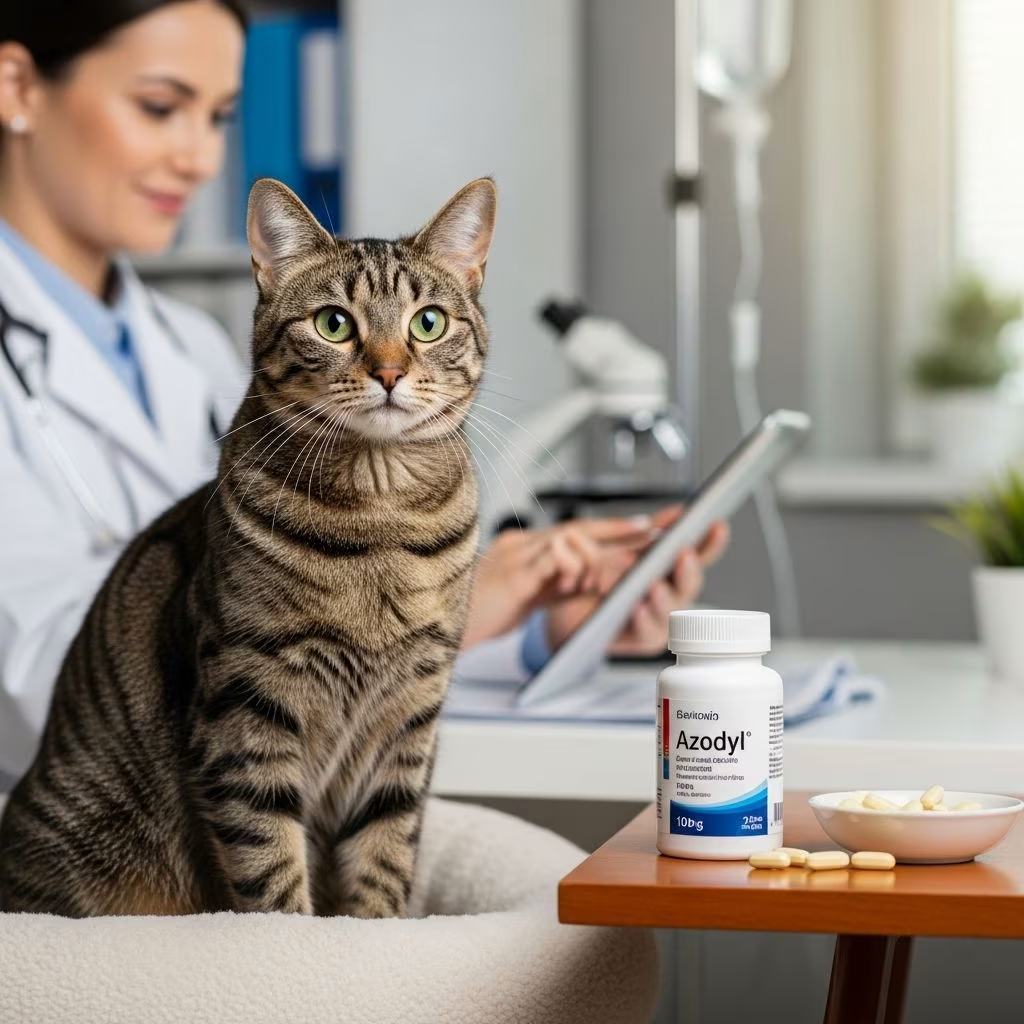
Chronic kidney disease (CKD) affects many older cats, progressively impairing kidney function and leading to toxin buildup in the blood. Treatments like Azodyl, a probiotic supplement, aim to support renal health by targeting uremic toxins through the gut microbiome, complementing standard therapies such as specialized diets and medications.
Understanding Feline Chronic Kidney Disease
Feline CKD, often diagnosed in cats over seven years old, involves a gradual loss of nephrons, the kidney’s filtering units. By the time symptoms appear, over 75% of kidney function may be compromised. Early detection through bloodwork and urinalysis is crucial for intervention.
- Increased thirst and urination signal early stages.
- Advanced signs include weight loss, vomiting, poor appetite, and lethargy.
- Staging follows IRIS guidelines, from Stage 1 (subtle changes) to Stage 4 (severe failure).
Without management, CKD shortens lifespan, but multifaceted approaches can extend quality time significantly.
The Role of the Gut-Kidney Axis in CKD
Recent insights highlight the gut microbiome’s influence on kidney health. In CKD, impaired kidneys fail to excrete nitrogenous waste, fostering gut bacteria that produce uremic toxins like indoxyl sulfate and p-cresyl sulfate. These toxins exacerbate inflammation and accelerate disease progression.
Modulating the gut flora offers a novel therapeutic avenue. Probiotics like those in Azodyl—containing strains such as Enterococcus thermophilus, Streptococcus thermophilus, and Lactobacillus acidophilus—are designed to bind and eliminate these toxins via feces, reducing systemic burden.
Azodyl: A Probiotic Approach to Toxin Management
Azodyl represents a targeted intervention for feline CKD. Administered as one capsule daily on an empty stomach, it populates the intestines with beneficial bacteria that trap uremic toxins before absorption. Veterinary studies suggest it lowers blood urea nitrogen (BUN) and creatinine levels in some cats, potentially slowing progression.
| Azodyl Key Features | Benefits | Administration Tips |
|---|---|---|
| Kidney Restore Formula | Reduces uremic toxins | 1 capsule/day, empty stomach |
| Three live probiotic strains | Supports gut barrier | Avoid mixing with food |
| Veterinary-specific dosing | Potential BUN/creatinine drop | Monitor via bloodwork |
While not a cure, Azodyl integrates well with conventional care, particularly in Stages 2-4.
Core Dietary Strategies for Renal Support
Renal diets form the cornerstone of CKD management, proven to extend survival by 2-3 times compared to standard food. These diets restrict phosphorus, moderate protein quality, supplement omega-3 fatty acids, and alkalinize to combat acidosis.
- Phosphorus control: Limits parathyroid hormone elevation, preventing bone and soft tissue damage.
- Protein adjustment: High-quality sources reduce waste without muscle wasting.
- Potassium boost: Addresses common hypokalemia in cats.
- Omega-3s: Anti-inflammatory effects may preserve glomerular function.
Transition gradually over 2-4 weeks to ensure acceptance. Survival data shows cats on renal diets living 16-20 months versus 7-8 months on maintenance food.
Phosphorus Binders: Enhancing Control
When diets alone fail to normalize phosphorus (target <4.6 mg/dL), binders are essential. Administered with meals, they bind dietary phosphorus in the gut, promoting excretion.
| Binder Type | Dosage Example (per kg) | Monitoring |
|---|---|---|
| Aluminum hydroxide | 30-90 mg PO with food | Aluminum levels if long-term |
| Calcium carbonate | 30-45 mg PO q8-12h | Calcium, avoid hypercalcemia |
| Chitosan + calcium | 1g/4.5kg q8h | Phosphate, PTH levels |
Studies confirm binders reduce hyperphosphatemia and PTH, improving outcomes when combined with diets.
Addressing Hypertension and Proteinuria
Hypertension affects up to 60% of CKD cats, risking organ damage. Calcium channel blockers like amlodipine (0.625-1.25 mg/cat q24h) are first-line, effectively lowering pressure and proteinuria.
Proteinuria (UPC >0.4) worsens prognosis. ACE inhibitors such as benazepril improve appetite and quality of life, though survival benefits are modest.
- Amlodipine for systolic BP >160 mmHg.
- Benazepril for UPC >1, starting at 0.5-1 mg/kg.
- Monitor BP and UPC quarterly.
Fluid Therapy and Supportive Care
Dehydration exacerbates CKD. Subcutaneous fluids (100-150 mL q24-48h) maintain hydration, improve appetite, and dilute toxins. Potassium supplementation counters urinary losses.
Antiemetics (e.g., maropitant) and appetite stimulants (mirtazapine) manage nausea. Routine urine cultures prevent ascending infections.
Integrating Azodyl into a Comprehensive Plan
Azodyl shines in holistic protocols. For Stage 2 CKD: renal diet + Azodyl + BP check. Stage 3: Add binders/fluids. Stage 4: Focus on comfort with all prior plus pain management.
Veterinary monitoring every 3-6 months tracks IRIS stage via creatinine, SDMA, phosphorus, and hematocrit.
Potential Challenges and Owner Tips
Owners face hurdles like diet refusal or medication stress. Tips include:
- Warm food, add toppers for palatability.
- Fluid administration training via videos.
- Track weight, water intake daily.
- Seek palliative care for end-stage.
Prognosis and Quality of Life Metrics
With intervention, many cats enjoy 1-3+ years post-diagnosis. Key indicators: appetite, activity, stable labs. Euthanasia decisions weigh unmanageable symptoms against comfort.
Frequently Asked Questions
What is Azodyl and does it cure CKD?
Azodyl is a probiotic that reduces uremic toxins but does not cure CKD; it supports management.
How soon do renal diets show effects?
Phosphorus drops in 2-4 weeks; survival benefits accrue over months.
Is subcutaneous fluid therapy safe at home?
Yes, with vet training; it boosts comfort in 80% of cases.
Can all cats tolerate phosphate binders?
Most do; monitor for GI upset or hypercalcemia.
When is it time to consider end-of-life care?
When treatments no longer maintain joy, eating, or mobility.
References
- Treatment Guidelines for Chronic Kidney Disease in Dogs & Cats — Today’s Veterinary Practice. 2023. https://todaysveterinarypractice.com/urology-renal-medicine/treatment-chronic-kidney-disease-dogs-cats/
- Feline CKD: Current therapies – what is achievable? — PMC (NCBI). 2024-01-15. https://pmc.ncbi.nlm.nih.gov/articles/PMC10816691/
- Chronic Kidney Disease in Cats — VCA Animal Hospitals. 2023. https://vcahospitals.com/know-your-pet/kidney-failure-chronic-in-cats
- Kidney Failure in Cats: Symptoms, Stages and Causes — PetMD. 2023. https://www.petmd.com/cat/conditions/urinary/kidney-failure-in-cats



