

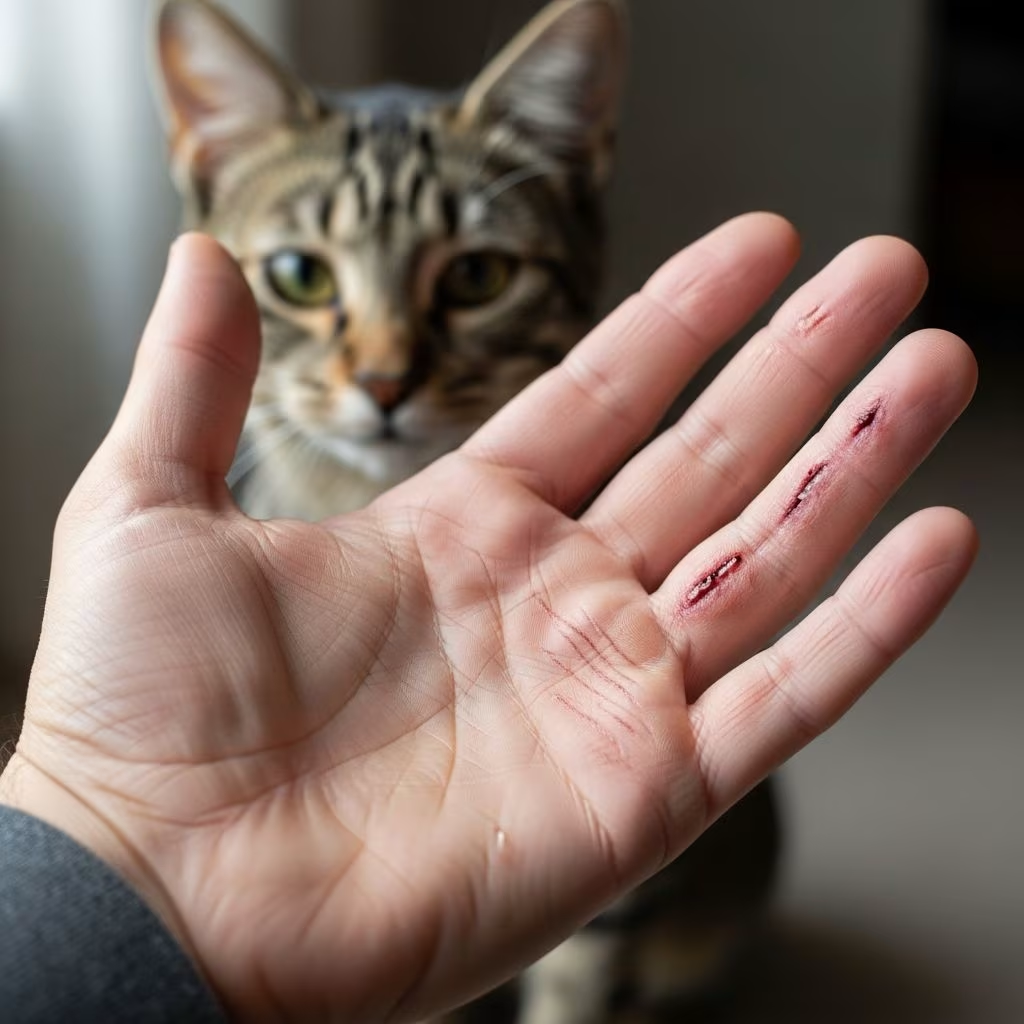
Cats are beloved companions, but their natural instinct to defend themselves or engage in play can sometimes result in injuries to themselves or others. When a cat sustains a bite or scratch wound, understanding how to respond quickly and effectively can make the difference between a minor inconvenience and a serious health complication. This guide explores the causes of feline injuries, the appropriate treatment protocols, and the warning signs that demand immediate veterinary intervention.
Understanding How Feline Injuries Occur
Cats acquire bite and scratch wounds through various situations. Territorial disputes with other animals, defensive reactions, or rough play are common scenarios where cats sustain these injuries. The puncture wounds created by cat teeth are particularly problematic because they introduce bacteria deep into the tissue layers, making them difficult to clean and prone to infection. Unlike surface scratches that remain visible and accessible for treatment, bite wounds often create deep pockets where bacteria can multiply unchecked.
The structure of a cat’s teeth makes them especially effective at creating deep puncture wounds. Feline canine teeth are sharp and pointed, designed to penetrate skin and underlying tissues. When a cat bites another animal, the teeth create narrow wounds that seal quickly on the surface while leaving damaged tissue and bacterial contamination deeper inside—an ideal environment for infection to develop.
Initial Assessment and At-Home Evaluation
When you discover your cat has sustained an injury, the first step is to examine the damage carefully. Look for visible puncture marks, torn skin, bleeding, or matted fur that might indicate a hidden wound. Check the entire body, as cats involved in altercations may have injuries in multiple locations that aren’t immediately obvious.
Minor surface scratches with no puncture component and minimal bleeding may be managed with basic home care initially. However, any wound that involves puncture, significant bleeding, or that you’re unsure about warrants professional evaluation. This distinction is critical because puncture wounds have a substantially higher infection risk than superficial scratches.
For minor scratches limited to the skin surface, gentle cleaning at home can help, but this is only appropriate when the injury is clearly superficial and your cat is cooperative enough to allow handling without causing additional stress.
Professional Wound Cleaning and Decontamination
Veterinary treatment of bite and scratch wounds begins with thorough cleaning to remove contamination and damaged tissue. This process, known as debridement, involves flushing the wound with sterile saline solution under pressure to dislodge bacteria and debris that cannot be removed by gentle surface cleaning alone.
Because bite wounds are quite painful and often involve deep structures that require careful examination, veterinarians typically perform this cleaning under sedation or general anesthesia. Deep sedation allows the veterinary team to:
- Achieve proper visualization of wound depth and extent
- Remove all foreign material, including hair, dirt, and potentially tooth or claw fragments
- Flush inaccessible areas where bacteria hide
- Assess tissue viability and remove dead or dying tissue
- Determine the need for additional interventions like drain placement
Multiple flushing cycles may be necessary to ensure adequate decontamination. The goal is to reduce bacterial load to levels that the immune system can manage while promoting proper healing rather than abscess formation.
Antibiotic Therapy and Infection Prevention
Antibiotics play a crucial role in preventing infection after bite wounds. Because cat bite wounds are known for having extremely high infection rates, veterinarians typically recommend prophylactic antibiotics even when no obvious signs of infection are present at the time of initial examination.
The timing of antibiotic administration significantly influences outcomes. When antibiotics are given within 24 hours of injury, they substantially reduce the likelihood of localized infections or abscess formation developing. Delay in antibiotic treatment increases the probability that an abscess will develop, requiring more extensive treatment later.
Veterinarians generally prescribe broad-spectrum antibiotics that are effective against the bacteria commonly found in cat mouths and on skin. The typical duration is 7-14 days, though this may be adjusted based on wound severity and response to treatment. It’s essential to complete the full course of antibiotics as prescribed, even if the wound appears to be healing well, as premature discontinuation can allow resistant bacteria to proliferate.
For cats with antibiotic-resistant infections, a bacterial culture and sensitivity test helps identify which medications will be most effective for that specific bacterial strain.
Pain Management During Recovery
Bite and scratch wounds are painful injuries, and appropriate pain management is an important component of care. Veterinarians prescribe oral pain medications to keep cats comfortable during the healing process. Managing pain is not merely a matter of comfort—pain reduction also allows cats to rest and move normally, which supports healing.
Pain medications may include:
- Nonsteroidal anti-inflammatory drugs (NSAIDs) that reduce both pain and inflammation
- Opioid medications for more severe wounds
- Topical pain relief applied directly to the wound area
Owners should administer these medications exactly as prescribed and report any concerns about pain management to their veterinarian.
Wound Closure and Drainage Considerations
A counterintuitive aspect of bite wound management is that veterinarians often intentionally leave puncture wounds open rather than closing them with sutures. This approach reflects the recognition that puncture wounds contain deep pockets and inaccessible areas where bacteria thrive. Leaving wounds open allows these areas to drain naturally, preventing the buildup of fluid and reducing the likelihood of infection or abscess formation.
For wounds with extensive deep tissue involvement, veterinarians may place surgical drains—small tubes that allow fluid and infected material to exit the wound during the healing process. These drains are typically removed after a few days once drainage decreases.
Bandaging is employed in cases where:
- Wounds are actively draining infected material
- Multiple sedated procedures are planned for progressive wound management
- The wound requires protection from contamination or self-trauma
If bandaging is used, the dressing must be changed once or twice daily by the veterinarian or under veterinary guidance. Wet or soiled bandages create conditions favorable for bacterial growth and must be managed carefully.
Recognizing and Managing Abscesses
Despite appropriate initial treatment, abscesses—pus-filled pockets of infection—sometimes develop from bite wounds. An abscess represents a localized infection where the body has walled off bacteria and dead tissue, creating a swollen, painful area.
Signs that an abscess is developing include:
- Swelling that increases rather than decreases after initial treatment
- Pus or fluid discharge from the wound
- Fever or lethargy
- Loss of appetite
- Difficulty moving or sensitivity to touch
When an abscess is present, surgical intervention becomes necessary. The veterinarian lances (opens) the abscess and drains the accumulated pus, then thoroughly flushes the cavity with antiseptic solution. The area is examined carefully for foreign material, the abscess is treated with antiseptic, and sometimes a drain is placed to allow continued drainage during healing.
After abscess drainage, the wound may be sutured closed or left open depending on its size and location. Antibiotics continue during the recovery period, and follow-up appointments ensure proper healing.
Home Care After Veterinary Treatment
Once the veterinarian has addressed the initial wound, home care becomes critical for successful healing. Pet owners are typically instructed to:
- Keep the wound clean by gently saline bathing the area 1-2 times daily, using a solution of one teaspoon of salt in 500 ml of cooled boiled water
- Dry the area thoroughly after cleaning to prevent moisture-related complications
- Apply topical medications as prescribed by the veterinarian
- Prevent the cat from licking or scratching the wound by using an Elizabethan collar if necessary
- Restrict activity to promote healing and prevent reopening of the wound
- Monitor for signs of infection or improper healing
- Attend all scheduled follow-up appointments
Consistent home care, combined with prescribed antibiotics and pain medications, provides the best chance for uncomplicated healing.
When Complications Develop
Bite wounds carry significant risk for various complications even with appropriate treatment. These include tissue death (necrosis), failure of surgical closures to hold, and resistant infections that don’t respond to standard antibiotics.
In some cases, multiple sedated procedures may be necessary to address progressive complications. Veterinarians must re-examine and revise wound closures, remove additional dead tissue, or address secondary infections that develop despite initial treatment.
For severe cases or wounds that aren’t responding appropriately to standard care, hyperbaric oxygen therapy may be recommended. This specialized treatment delivers 100% oxygen at elevated pressure, allowing oxygen to penetrate tissues four times more effectively than normal oxygen transport. This therapy can help save damaged tissues and may reduce the need for additional surgeries by up to 75%. Treatment typically involves multiple sessions during the healing period.
Prevention and Risk Reduction
While not all cat injuries can be prevented, certain measures reduce the likelihood of serious wounds:
- Keep cats indoors or provide secure outdoor enclosures to limit exposure to other animals
- Ensure cats are spayed or neutered, which reduces territorial aggression and roaming behavior
- Maintain current vaccinations, including rabies protection
- Provide environmental enrichment and multiple resources to reduce stress-related conflicts in multi-cat households
- Interrupt play sessions that escalate to rough behavior
Frequently Asked Questions
How long does it take for a cat bite wound to heal?
With appropriate antibiotic usage and care, most bite wounds heal within two weeks. However, more severe wounds or those that develop complications may require three weeks or longer. Abscesses that form typically require additional healing time beyond the initial injury.
Can I treat a cat bite wound at home without veterinary care?
Only minor surface scratches without puncture wounds can be considered for home treatment. Any penetrating bite wound should receive professional evaluation and treatment because of the high infection risk. Attempting to manage puncture wounds at home frequently results in abscess formation requiring more extensive and expensive veterinary treatment.
What should I do if my cat is bleeding from a bite wound?
Apply gentle but steady pressure with a clean cloth or bandage for up to 15 minutes. If bleeding doesn’t stop after this duration, or if the wound is severe, contact your veterinarian or emergency clinic immediately. Don’t apply hydrogen peroxide or strong disinfectants, as these can damage tissue.
Is it normal for a bite wound to develop pus after initial treatment?
Some drainage is normal as the body clears debris and dead tissue. However, if drainage increases, becomes foul-smelling, or is accompanied by swelling, fever, or lethargy, contact your veterinarian promptly as this may indicate abscess formation or infection.
Why does my vet want to leave the bite wound open?
Leaving puncture wounds open prevents the surface from sealing over bacteria and debris trapped in deep tissue pockets. Open wounds allow natural drainage and prevent abscess formation, even though it may seem counterintuitive. Closing puncture wounds prematurely often leads to serious complications.
Conclusion
Bite and scratch wounds in cats require prompt, professional veterinary attention to prevent serious complications. While the recovery process may involve multiple treatments and careful home care, early intervention with appropriate antibiotics and wound management dramatically improves outcomes. By understanding the risks associated with feline injuries and following veterinary recommendations carefully, cat owners can help ensure their pets heal properly and return to normal activity as quickly as possible.
References
- Dog & Cat Bite Wounds Treatment — Scottsdale Veterinary Clinic. Accessed January 2026. https://www.scottsdaleveterinaryclinic.com/services/pets/blog/dog-cat-bite-wounds-treatment
- Cat Fights and Wound Care: What to Watch For, What to Do, and When to Call the Vet — Furgent Care Vet. Accessed January 2026. https://www.furgentcarevet.com/blog/cat-fights-and-wound-care-what-to-watch-for-what-to-do-and-when-to-call-the-vet
- Treatment for Dog and Cat Bites and Scratches — Stanford Children’s Hospital. Accessed January 2026. https://www.stanfordchildrens.org/en/topic/default?id=treatment-for-dog-and-cat-bites-and-scratches-90-P01897
- What You Should Know About Cat Bites, Fights and Antibiotics — PetMD. Accessed January 2026. https://www.petmd.com/cat/emergency/accidents-injuries/what-you-should-know-about-cat-bites-fights-and-antibiotics
- Cat bite abscess in cats — Joii Pet Care. Accessed January 2026. https://www.joiipetcare.com/blogs/health-conditions/cat-bite-abscess-in-cats
- Bites and Scratches — University of Connecticut Office of the Vice President for Research. Accessed January 2026. https://ovpr.uchc.edu/services/rics/animal/iacuc/ohshome/risk-assessment/bites-and-scratches/
- Animal Bites: Care Instructions — Kaiser Permanente. Accessed January 2026. https://healthy.kaiserpermanente.org/health-wellness/health-encyclopedia/he.animal-bites-care-instructions.uh3283



