Feline Atopic Dermatitis: Essential Guide To Managing Symptoms
Comprehensive guide to understanding, diagnosing, and treating atopic dermatitis in cats for lifelong relief and comfort.
Managing Feline Atopic Dermatitis
Feline atopic dermatitis is a chronic allergic skin condition triggered by environmental allergens, leading to persistent itching and secondary infections in cats. Effective management combines veterinary diagnosis, symptom control, and lifestyle adjustments for long-term relief.
Understanding the Roots of Feline Atopic Dermatitis
Atopic dermatitis in cats stems from an overactive immune response to common environmental triggers such as pollen, dust mites, molds, and certain grasses. Unlike flea allergies or food sensitivities, this form primarily involves inhalant allergens that penetrate the skin barrier, provoking inflammation. Genetic predisposition plays a significant role, making some breeds like Siamese and Bengals more susceptible, though any cat can develop it.
The condition often manifests in young cats, typically between 6 months and 3 years of age, and persists lifelong without cure. Seasonal flares may occur in spring or fall due to pollen peaks, while year-round symptoms suggest perennial allergens like house dust mites.
Recognizing Key Symptoms in Your Cat
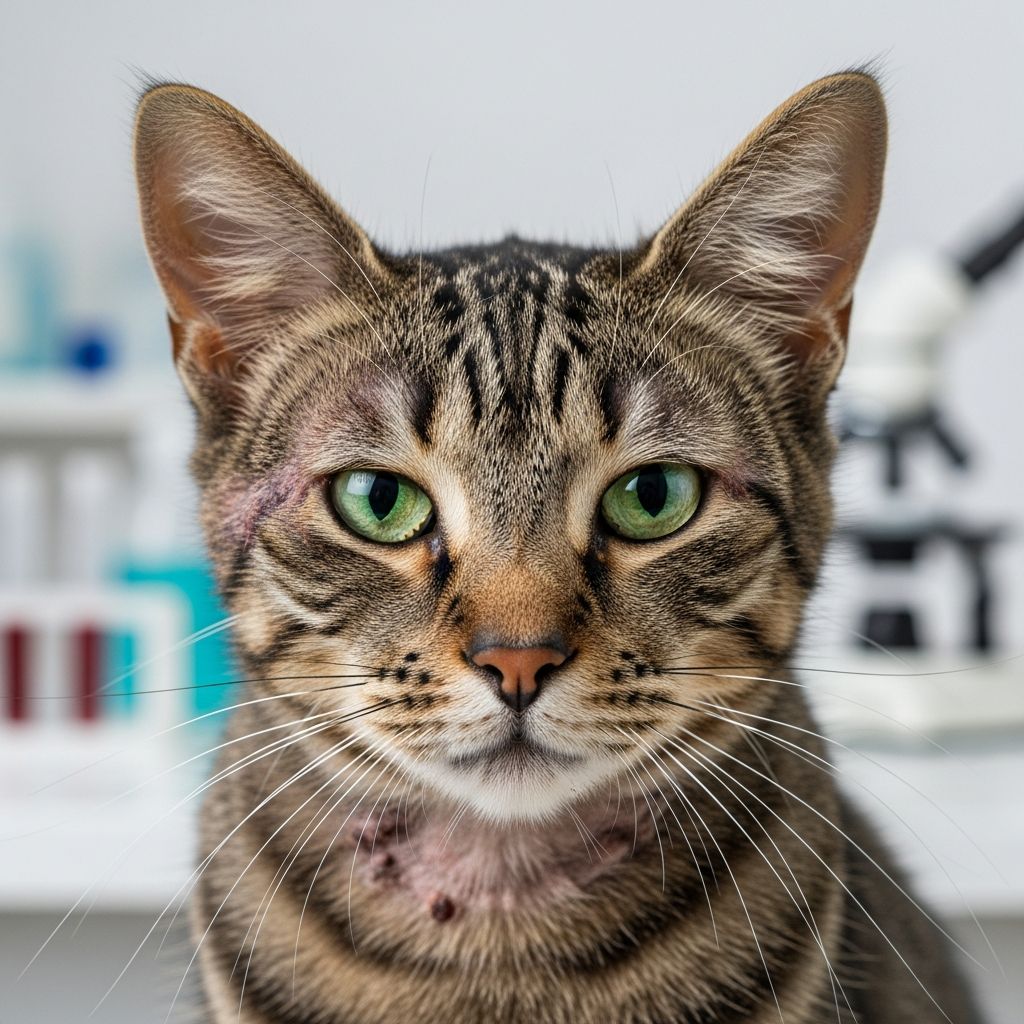
The hallmark sign is intense, unrelenting pruritus or itching, which cats express through excessive grooming, scratching, or rubbing against surfaces. Common affected areas include the head (especially ears and muzzle), paws, armpits, groin, and base of the tail.
- Over-grooming leading to hair loss (alopecia), particularly symmetric patterns on flanks or belly.
- Red, inflamed skin with papules, crusts, or scabs from self-trauma.
- Recurrent bacterial or yeast infections causing oozing, foul odor, or thickened skin (lichenification).
- Ear infections (otitis) with head shaking, discharge, or odor.
- Behavioral changes like restlessness, aggression, or reduced appetite due to discomfort.
Early detection prevents complications like chronic infections or eosinophilic plaques. If your cat shows these signs, consult a veterinarian promptly.
Diagnostic Process for Accurate Identification
Diagnosis begins with a thorough history and physical exam to rule out parasites, food allergies, or fungal infections. Skin scrapings, cytology, fungal cultures, and flea combing are standard initial tests.
For confirmation, veterinarians may recommend:
- Intradermal skin testing (IDT): Injecting diluted allergens into the skin to observe reactions, ideal for pinpointing specific triggers.
- Serology (blood allergy testing): Measures IgE antibodies to allergens, useful for cats intolerant to shaving.
- Elimination diet trial: To exclude food allergies, lasting 8-12 weeks.
A board-certified veterinary dermatologist enhances accuracy for complex cases.
Core Treatment Strategies for Symptom Relief
Treatment is multimodal and lifelong, focusing on itch reduction, infection control, and allergen desensitization. No single approach fits all cats; plans are tailored based on severity and response.
Pharmacological Interventions
Anti-itch medications provide rapid relief:
| Medication Type | How it Works | Dosage & Administration | Pros | Cons |
|---|---|---|---|---|
| Glucocorticoids (e.g., prednisolone, dexamethasone) | Reduces inflammation and pruritus quickly. | Oral tablets/liquid daily, then tapered; injections for flares. | Fast-acting (24 hours); cost-effective. | Long-term risks: diabetes, Cushing’s, infections. |
| Cyclosporine (Atopica for Cats) | Immune modulator suppressing allergic responses. | Oral liquid 7 mg/kg daily, PO or in food. | Steroid-sparing; good for long-term use. | GI upset, vomiting; avoid in hunters. |
| Antihistamines (e.g., diphenhydramine) | Blocks histamine release. | Oral, variable efficacy. | Low side effects; inexpensive. | Often ineffective alone in itchy cats. |
Antibiotics or antifungals treat secondary infections, often paired with medicated shampoos.
Immunotherapy: The Long-Term Solution
Allergen-specific immunotherapy (ASIT) desensitizes the immune system via custom vaccines. After allergy testing, formulations are administered as sublingual drops or injections weekly, building tolerance over 3-12 months. Success rates reach 60-80%, reducing medication needs.
Cats often tolerate injections well, with gradual symptom improvement.
Supportive and Topical Therapies
- Omega-3/6 fatty acids: Strengthen skin barrier, reducing inflammation.
- Topical products: Hypoallergenic shampoos, sprays, mousses with antiseptics or anti-itch agents.
- Gabapentin: 5-10 mg/kg every 8-12 hours for neuropathic itch or stress; takes 1-2 months for full effect.
Environmental Controls and Home Management
Minimizing allergen exposure complements medical therapy:
- Use HEPA air filters and dehumidifiers to reduce dust mites.
- Wash bedding weekly in hot water; vacuum frequently.
- Bathe with gentle wipes or rinses to remove allergens without drying skin.
- Flea prevention year-round, even indoors.
- Dietary hypoallergenic or novel protein foods if needed.
Regular grooming prevents matting and distributes natural oils.
Potential Risks and Monitoring Protocols
Long-term steroids risk iatrogenic Cushing’s, diabetes, or weakened immunity. Cyclosporine may cause anorexia or toxoplasmosis in raw-fed cats. Routine bloodwork, weight checks, and dermatology re-evals every 3-6 months ensure safety.
Pulse therapy (intermittent dosing) minimizes side effects while controlling flares.
Lifestyle Tips for Atopic Cats
- Provide soft, dust-free bedding and low-dust litter.
- Enrich environment to reduce stress, which exacerbates itching.
- Track symptoms in a journal for flare patterns.
- Consider hypoallergenic diets with added probiotics for gut-skin axis support.
Frequently Asked Questions (FAQs)
Can atopic dermatitis in cats be cured?
No, it’s a lifelong condition, but symptoms can be well-managed with consistent treatment, often achieving 50-100% improvement.
How long does immunotherapy take to work?
Clinical benefits appear in 3-8 months, up to 1 year in some cases, with ongoing administration.
Are steroid injections safe for frequent use?
Occasional use is fine, but repeated long-acting injections risk serious side effects like diabetes or heart issues; prefer oral tapering.
What breeds are prone to feline atopy?
No breed is immune, but Siamese, Himalayan, and Devon Rex show higher incidence due to genetics.
Can diet help with cat atopic dermatitis?
Essential fatty acids aid skin health, and ruling out food allergies via trials is key, but environmental triggers dominate.
Prognosis and Long-Term Outlook
With proactive care, most cats enjoy good quality of life, minimal flares, and reduced med dependency. Owner compliance and specialist input are crucial. Early intervention prevents irreversible skin changes.
References
- Atopic Dermatitis in Cats: Causes, Symptoms & Treatment — Animal Friends Dermatology. 2024-02-29. https://www.animalfriendsdermatology.com/site/blog/2024/02/29/atopic-dermatitis-cats
- A clinical approach to feline atopic dermatitis — dvm360. N/A. https://www.dvm360.com/view/a-clinical-approach-to-feline-atopic-dermatitis
- Treatment of Atopic Dermatitis in dogs and cats — Vet Specialists. N/A. https://www.vetspecialists.co.uk/fact-sheets-post/treatment-of-atopic-dermatitis-in-dogs-and-cats/
- Atopic dermatitis in cats — PMC (National Library of Medicine). 2018-02-20. https://pmc.ncbi.nlm.nih.gov/articles/PMC5819051/
- Inhalant Allergies (Atopy) in Cats — VCA Animal Hospitals. N/A. https://vcahospitals.com/know-your-pet/inhalant-allergies-atopy-in-cats
- Cat Skin Allergies: Types, Symptoms, and How Vets Treat Them — PetMD. N/A. https://www.petmd.com/cat/conditions/skin/cat-skin-allergies-types-symptoms-and-how-vets-treat-them
- Feline Atopic Dermatitis — Merck Veterinary Manual. N/A. https://www.merckvetmanual.com/integumentary-system/atopic-dermatitis/feline-atopic-dermatitis
Similar Articles








Read full bio of Sneha Tete