

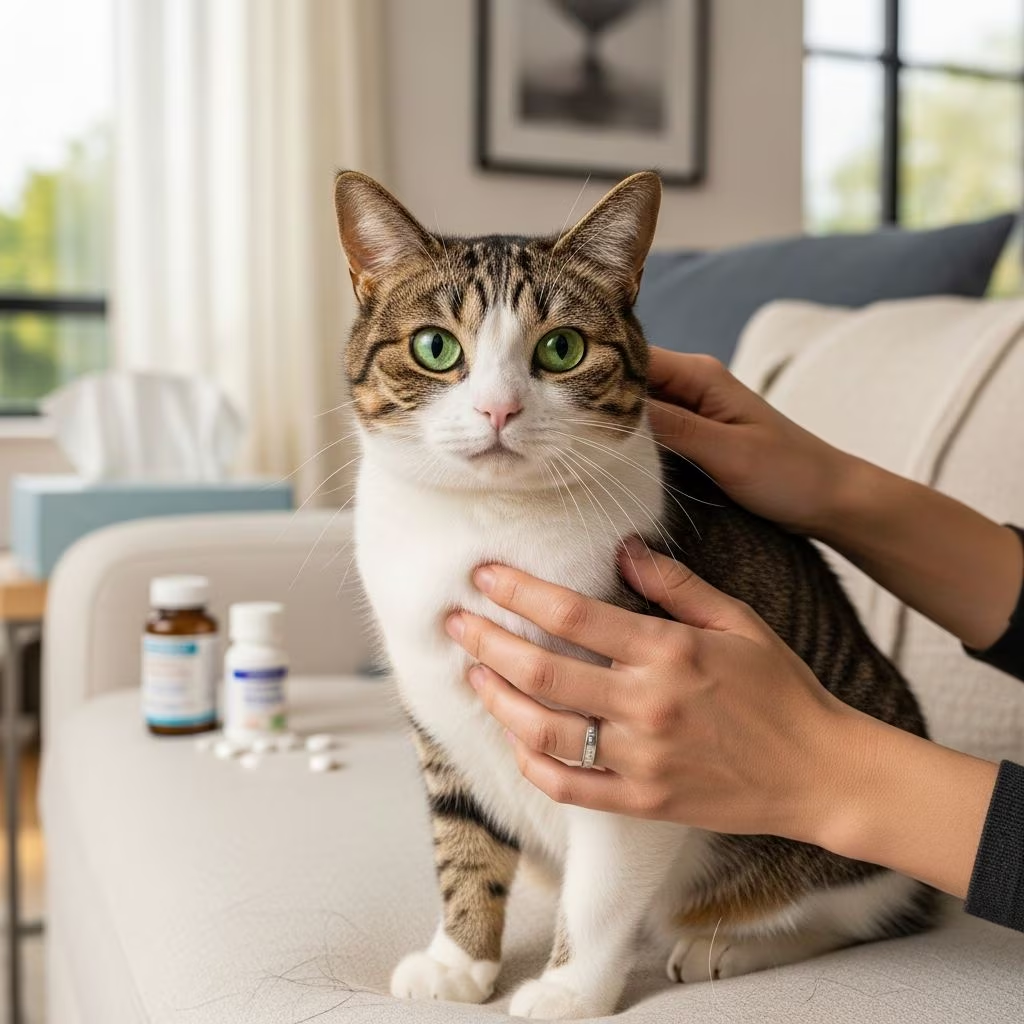
Cat allergies represent one of the most common health challenges veterinarians encounter in clinical practice. Unlike humans who typically experience respiratory symptoms when exposed to allergens, cats develop allergic reactions that primarily affect their skin and coat. Understanding the different types of allergies your feline companion may experience is the first step toward providing effective relief and improving their overall quality of life. This guide explores the various allergic conditions affecting cats, how to recognize them, and the most effective treatment strategies available through veterinary medicine.
Understanding the Different Types of Allergic Reactions in Cats
Cats can develop allergic reactions to three primary categories of substances: food ingredients, environmental factors, and contact irritants. Each type presents distinct characteristics and requires a tailored approach to management and treatment.
Food-Related Allergies
Food allergies occur when a cat’s immune system reacts negatively to specific ingredients in their diet. The most common culprits include chicken, beef, fish, and grain-based components. Unlike food intolerances, which cause digestive upset, true food allergies trigger immune system responses that typically manifest as skin problems rather than gastrointestinal issues. Cats with food allergies may experience year-round symptoms that don’t improve with seasonal changes, helping distinguish this condition from environmental allergies.
Environmental Allergies
Environmental allergies develop when cats inhale or absorb allergens from their surroundings. Common environmental triggers include pollen, mold spores, dust mites, and household chemicals. These allergies often follow seasonal patterns, with symptoms worsening during specific times of year when particular plants pollinate or humidity levels fluctuate. Environmental allergies tend to be the most prevalent type affecting domestic cats.
Contact-Based Allergies
Contact allergies result from direct skin exposure to irritating substances. Common triggers include certain cleaning products, fragrances, latex, flea treatment chemicals, and even some fabric materials. These allergies typically affect areas of the body that come into contact with the offending substance most frequently.
Recognizing Allergic Symptoms in Your Cat
Early recognition of allergy symptoms allows for prompt veterinary intervention and prevents the development of secondary infections. The following signs warrant a veterinary consultation:
- Excessive scratching, licking, or grooming behaviors
- Hair loss or alopecia, particularly in patches
- Red, inflamed, or irritated skin
- Scabs, crusts, or open sores on the skin
- Dandruff or flaky skin appearance
- Swelling or puffiness of the face, ears, or paws
- Chronic ear infections or discharge
- Chin acne or bumpy skin texture
- Changes in behavior related to discomfort
When cats experience allergic reactions, they often develop secondary bacterial or yeast infections due to compromised skin barriers and constant scratching. These secondary infections can intensify itching and require additional medical intervention beyond allergy treatment alone.
Diagnostic Approaches Your Veterinarian May Recommend
Accurate diagnosis is essential for effective allergy management. Your veterinarian will employ different diagnostic strategies depending on which type of allergy is suspected.
Food Allergy Diagnosis Through Elimination Trials
When food allergies are suspected, the gold standard diagnostic method is a 12-week food elimination trial. During this period, your cat receives only a prescription diet formulated to exclude common allergens, with absolutely no treats, table scraps, or other food sources allowed. This strict protocol ensures a clean diagnostic environment. After the 12-week period concludes, the original diet is reintroduced intentionally to observe whether allergic symptoms return, confirming the food allergy diagnosis.
Environmental Allergy Testing
When environmental allergens are suspected and other allergies have been ruled out, your veterinarian may perform intradermal skin testing or serum testing. In intradermal testing, a veterinary dermatologist injects small amounts of various allergen antigens into the skin and measures reactions against a control, identifying which substances trigger allergic responses in your specific cat.
Contact Allergy Assessment
For suspected contact allergies, your veterinarian may recommend simply removing the suspected allergen from your cat’s environment. Alternatively, patch testing may be performed, where the suspected substance is kept in close contact with the skin for approximately two days, after which the area is examined for signs of inflammation, infection, pimples, or crusts.
Treatment Options for Cat Allergies
Avoidance and Environmental Management
The most straightforward approach to managing allergies involves eliminating or minimizing exposure to identified allergens. Depending on the allergy type, this may include:
- Switching to prescription hypoallergenic diets formulated to exclude problematic ingredients
- Removing carpet and upholstered furniture that harbor allergens
- Installing HEPA filtration systems to reduce airborne allergens
- Removing plants and weeds that produce allergenic pollen
- Implementing strict flea control protocols year-round
- Using fragrance-free, hypoallergenic cleaning products
Environmental management is particularly important for flea allergies, which require consistent, ongoing flea prevention and control measures.
Pharmaceutical Interventions
Several medication classes effectively manage cat allergies when avoidance alone proves insufficient:
Corticosteroids: Medications such as prednisolone and Depo-Medrol (injectable form) reduce both itching and the immune system’s allergic response. While effective, long-term steroid use requires monitoring due to potential side effects.
Immunomodulators: Atopica represents a medication class that suppresses immune system activity with fewer side effects than traditional steroids, making it suitable for longer-term use in managing chronic allergies.
Antihistamines: Drugs like diphenhydramine and chlorpheniramine help control itching in some cats, though response rates vary significantly between individual animals. Some cats experience substantial relief while others show minimal improvement.
Allergen-Specific Immunotherapy (ASIT): Commonly called allergy shots, ASIT represents the most effective long-term therapy for environmental allergies. This treatment gradually exposes the cat’s immune system to increasing doses of identified allergens, building tolerance over time.
Supportive Care Measures
Complementary treatments enhance primary allergy management strategies:
Omega-3 Supplements: Fish oils and omega-3 fatty acid supplements strengthen the skin barrier, reducing irritation, redness, and swelling. This support decreases overall itching and improves skin health.
Medicated Treatments: Medicated shampoos and leave-on conditioners address secondary bacterial and yeast infections without requiring repeated antibiotic courses. Long-term topical therapy often reduces the need for oral antibiotics.
Barrier Protection: Recovery cones, T-shirts, or specially designed recovery suits prevent your cat from accessing irritated areas through excessive licking and scratching, allowing healing to occur.
Infection Management: Since allergies compromise skin integrity, antibiotics and antifungal medications frequently become necessary to treat secondary infections that develop alongside allergic reactions.
Natural and Holistic Approaches
While no natural remedies can cure allergies entirely, certain supportive measures may help manage symptoms:
- Fish oil supplementation to improve skin barrier function and reduce itching and scaling
- Cool oatmeal baths to soothe irritated skin and provide temporary relief
- Environmental allergen reduction through improved air filtration and regular cleaning
It’s important to understand that natural approaches work best as supplementary measures alongside veterinary treatment rather than as standalone solutions. Always consult your veterinarian before introducing new supplements or treatments, as cats have unique sensitivities to many substances.
Long-Term Management Strategies
Successfully managing feline allergies requires developing a consistent, long-term approach tailored to your cat’s specific condition type:
Food Allergy Management
Cats diagnosed with food allergies require lifelong prescription diet adherence. This means permanently avoiding any foods containing identified allergens and ensuring all household members understand the dietary restrictions. Complete nutritional management becomes the foundation of symptom control.
Environmental Allergy Management
Environmental allergies typically require year-round attention to reduce allergen exposure through HEPA filtration, regular cleaning, and possibly immunotherapy treatments to build lasting tolerance.
Flea Allergy Management
Flea allergies demand consistent, year-round flea prevention and environmental management. Even minimal flea exposure can trigger significant allergic reactions in sensitive cats, requiring vigilant prevention protocols.
When to Seek Veterinary Care
Contact your veterinarian if your cat exhibits any of the following:
- Persistent scratching or grooming lasting more than a few days
- Hair loss or visible skin lesions
- Signs of secondary infection such as oozing sores or pustules
- Swelling of the face, lips, or throat suggesting potential anaphylaxis
- Behavioral changes related to discomfort or pain
- Response changes to existing allergy medications
Frequently Asked Questions
How long does it take to diagnose a food allergy?
Food allergy diagnosis through elimination trials typically requires a minimum of 12 weeks of strict dietary management with prescription food only, followed by intentional reintroduction to confirm the diagnosis.
Are certain cat breeds more prone to allergies?
While any cat can develop allergies regardless of breed, genetic factors influence individual susceptibility. Some lines within breeds may show higher allergy prevalence, but breed alone doesn’t determine allergic potential.
Can allergies be completely cured?
True allergies cannot be cured, but their symptoms can be effectively managed through avoidance, medication, and in some cases, immunotherapy to build tolerance. Long-term management varies by allergy type.
What is the difference between Atopica and steroids?
Atopica is an immunomodulator with fewer side effects suitable for longer-term use, while steroids like prednisolone are potent anti-inflammatory agents that require more careful monitoring during extended treatment.
Is immunotherapy effective for all cats with environmental allergies?
Allergen-specific immunotherapy represents the most effective long-term treatment for environmental allergies, though individual response varies. Success rates are generally high when proper allergen identification precedes treatment initiation.
How often should medicated shampoos be used?
The frequency of medicated shampoo use depends on the specific product and your cat’s skin condition. Your veterinarian will provide personalized recommendations, but regular long-term use can significantly reduce the need for repeated antibiotic courses.
Creating Your Cat’s Allergy Management Plan
Effective allergy management requires collaborative partnership between you and your veterinary team. Begin by scheduling a comprehensive veterinary examination to identify the specific allergen(s) affecting your cat. Based on diagnostic findings, work with your veterinarian to establish a customized management plan that may combine environmental modifications, dietary changes, medications, and supportive care measures.
Regular follow-up appointments allow your veterinarian to assess treatment effectiveness, adjust medications as needed, and monitor for complications. Keep detailed records of your cat’s symptoms, environmental changes, and medication responses to help guide ongoing management decisions.
With proper diagnosis and consistent management, most cats with allergies can achieve significant symptom relief and maintain excellent quality of life. Your commitment to the prescribed treatment protocol directly impacts your cat’s comfort and long-term health outcomes.
References
- Cat Skin Allergies: Types, Symptoms, and How Vets Treat Them — PetMD. Written by Dr. Michael Kearley, DVM. https://www.petmd.com/cat/conditions/skin/cat-skin-allergies-types-symptoms-and-how-vets-treat-them
- A Guide to Cat Allergies: Symptoms, Solutions & The Shelter Approach — Cat Care Society. https://www.catcaresociety.org/a-guide-to-cat-allergies/
- Pet allergy – Diagnosis & treatment — Mayo Clinic. https://www.mayoclinic.org/diseases-conditions/pet-allergy/diagnosis-treatment/drc-20352198



