

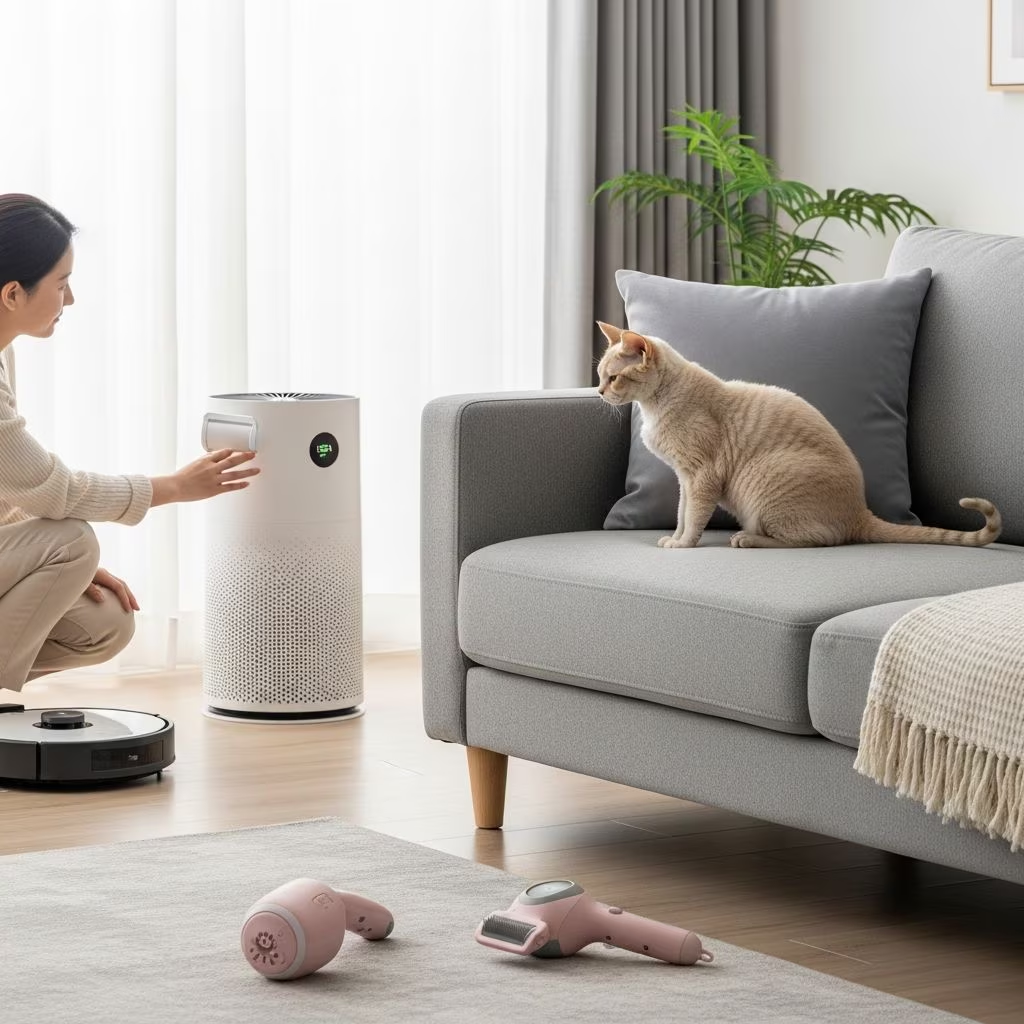
Cat allergens pose a significant challenge for many households, triggering reactions in sensitive individuals despite the joy cats bring. Primarily, the protein Fel d 1 in cat saliva, skin, and urine spreads through dander and hair, lingering in environments long after contact. Effective management combines proactive environmental adjustments, innovative nutritional interventions, and targeted medical strategies to lower allergen levels without rehoming beloved pets.
Understanding the Science of Cat Allergens
The chief culprit, Fel d 1, originates in salivary glands and sebaceous glands, transferring to fur during grooming. Unlike dog allergens, cat proteins are smaller and more airborne, persisting on fabrics and surfaces. Research shows these allergens remain viable for months, necessitating ongoing control measures. Distinguishing between cat allergies in humans and allergies in cats themselves is crucial; this guide focuses on reducing environmental allergens for human comfort while noting feline health parallels.
Environmental factors like dust mites, pollen, and molds exacerbate spread, as cats track them indoors. Studies indicate that up to 47% reduction in active Fel d 1 on hair can occur with specific interventions, maintaining the cat’s natural physiology unharmed.
Nutritional Innovations for Allergen Reduction
A groundbreaking approach involves diets engineered to neutralize Fel d 1 in saliva before it disperses. These formulas contain antibodies that bind and deactivate the protein, leading to measurable decreases on hair and dander. Clinical data reveals 97% of cats exhibit lowered active Fel d 1 levels after consistent feeding from week three onward. This method supports comprehensive allergen programs, allowing families to retain their pets without heightened risk.
- Transition gradually over 7-10 days to avoid digestive upset.
- Monitor for acceptance; most cats adapt well to the taste.
- Combine with regular grooming for amplified effects.
Such nutrition does not alter the cat’s allergen production inherently but intercepts it proactively, offering a non-invasive, daily solution.
Environmental Control Strategies
Creating an allergen-minimized home requires systematic changes. Restrict cat access to high-traffic areas like bedrooms, where fabrics trap proteins. Weekly baths reduce airborne Fel d 1 by washing away dander, though cats must tolerate water-based routines.
| Area | Control Measures | Frequency |
|---|---|---|
| Bedroom | HEPA air purifiers, allergen-proof covers on bedding | Continuous/Weekly wash |
| Living Spaces | Vacuum with HEPA filters, no soft furnishings | 2-3 times/week |
| Cat Zones | Wipe paws and coat post-outdoors, unscented litter | Daily |
Ventilation plays a key role; use exhaust fans in humid areas to curb mold, a secondary allergen amplifier. Regular laundering of cat bedding at high temperatures or freezing toys kills mites effectively.
Hygiene Routines for Cats and Homes
Daily wiping of the cat’s fur with damp cloths removes surface allergens, especially after meals or outdoor excursions. Brush outdoors to prevent indoor shedding, using tools that capture loose hair. For homes, prioritize hard floors over carpets and employ central vacuums to minimize recirculation.
- Face wiping post-feeding prevents food residue allergen buildup.
- Dry-clean upholstery quarterly to eliminate embedded proteins.
- Avoid feather dusters; opt for microfiber cloths that trap particles.
Smoke, perfumes, and aerosols worsen dispersion; switch to hypoallergenic products throughout the household.
Veterinary Diagnostics and Treatments
For persistent issues, consult veterinarians for intradermal or blood tests identifying specific triggers. Allergen-specific immunotherapy (ASIT) desensitizes cats via customized injections or drops, building tolerance over months. Medications like antihistamines block histamine effects, while immunosuppressants such as cyclosporine (Atopica) manage chronic itching with fewer steroid side effects.
Corticosteroids offer quick relief for flare-ups but require monitoring for long-term use. Omega-3 supplements bolster skin barriers, reducing penetration of irritants. Atopic dermatitis, common in allergic cats, demands lifelong plans including flea control and infection management.
Addressing Feline Allergies Symptomatology
Cats suffer allergies too, manifesting as intense itching, overgrooming, ear infections, or respiratory woes. Food trials eliminate proteins like beef or grains via novel diets for 8-12 weeks, confirming triggers upon reintroduction. Environmental allergies mimic human responses, treated similarly with avoidance and immunotherapy.
Symptom tracking aids vets: note patterns in scratching sites (face, ears, paws) or seasonal spikes.
Stress Reduction and Holistic Support
Stress amplifies allergic responses in cats; enrich environments with scratching posts, perches, and play to mitigate. Pheromone diffusers calm nerves, indirectly lowering grooming excesses that spread dander.
FAQs on Feline Allergen Management
Can special food make cats hypoallergenic?
Yes, diets neutralizing Fel d 1 significantly lower detectable allergens on fur, aiding sensitive owners without changing the cat’s biology.
How often should I bathe my cat?
Weekly gentle baths reduce dander; use cat-specific shampoos to avoid skin drying.
Do air purifiers work for cat allergens?
HEPA models capture fine particles effectively, especially in lived-in rooms.
Is immunotherapy safe for cats?
Administered under vet guidance, it builds tolerance gradually with minimal risks for cooperative cats.
What if symptoms persist?
Reevaluate with your vet for combined therapies, as multi-approach plans yield best outcomes.
Long-Term Success Tips
Consistency is paramount; integrate multiple tactics for 20-50% allergen drops. Track progress with allergen test kits or symptom logs. Educate family on protocols to ensure adherence. For shelters or multi-cat homes, isolate affected felines during trials.
Ultimately, these strategies empower coexistence, preserving bonds while safeguarding health.
References
- Your guide to managing cat allergies — Nextmune Laboratories UK. 2023. https://nextmunelaboratories.co.uk/news/your-guide-to-managing-cat-allergies/
- A Guide to Cat Allergies: Symptoms, Solutions & The Shelter Approach — Cat Care Society. 2024. https://www.catcaresociety.org/a-guide-to-cat-allergies/
- Battling Cat Allergies: A Guide to Recognizing, Managing, and Treating — PetCareRx. 2023-10-15. https://www.petcarerx.com/article/battling-cat-allergies-a-guide-to-recognizing-managing-and-treating-with-allergy-pills/7030
- Pets, Dog and Cat Allergies — American College of Allergy, Asthma & Immunology (ACAAI). 2024. https://acaai.org/allergies/allergic-conditions/pet-allergies/
- Managing cat allergens — Purina Institute. 2023. https://www.purinainstitute.com/centresquare/focused-nutrition/managing-cat-allergens
- Allergies of Cats – Cat Owners — Merck Veterinary Manual. 2025-01-01. https://www.merckvetmanual.com/cat-owners/skin-disorders-of-cats/allergies-of-cats



