

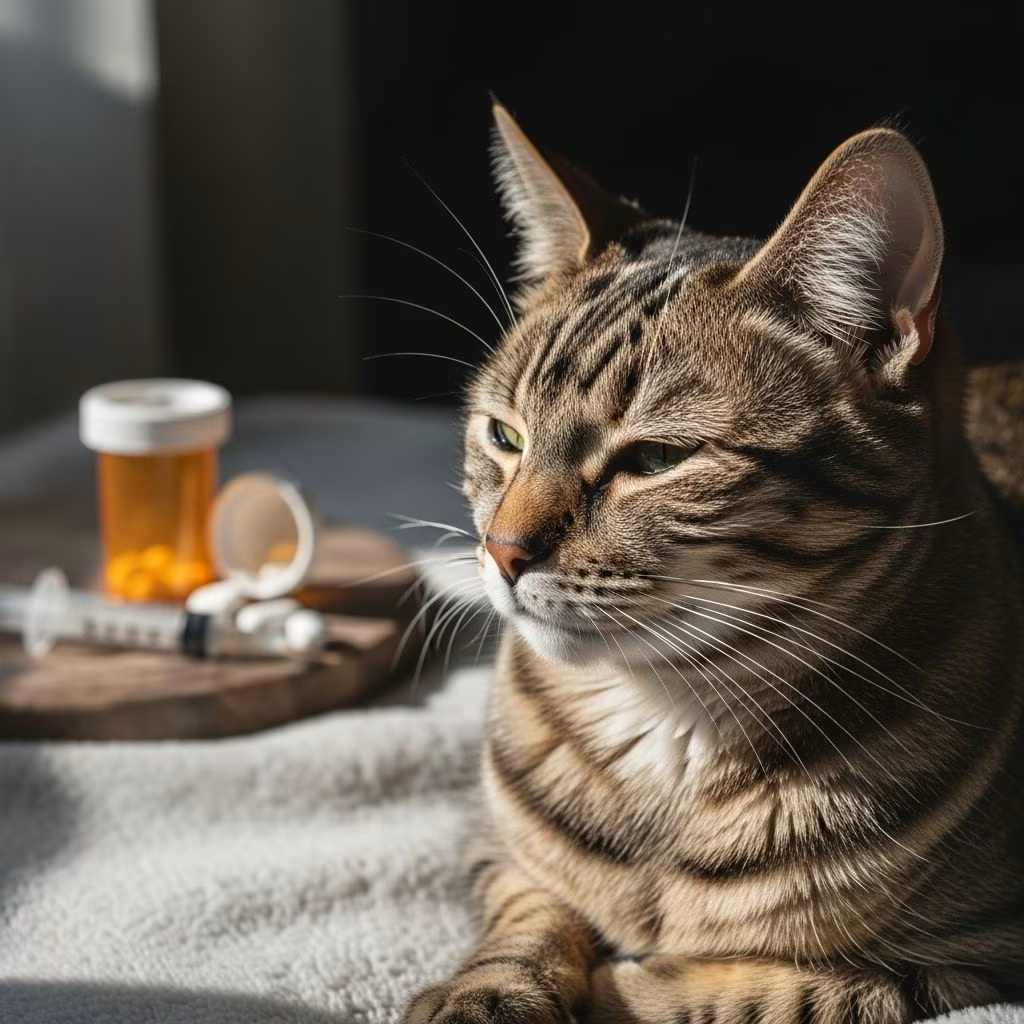
Cat aggression can transform a loving pet into a source of stress and danger for owners and other animals. While behavioral modifications form the foundation of treatment, medications often play a crucial role, especially when underlying medical conditions or severe anxiety drive the behavior. This article delves into the causes, diagnostic processes, pharmaceutical interventions, and complementary strategies to restore harmony in multi-pet households or with fearful felines.
Understanding the Roots of Aggression in Cats
Aggression in cats rarely occurs without provocation. It stems from a complex interplay of physical pain, illness, environmental stressors, or instinctual responses. Identifying the trigger is essential before considering any medication, as treating symptoms alone can exacerbate the problem.
Medical Triggers Behind Sudden Aggressiveness
Many instances of unexpected aggression signal health issues. Pain from conditions like arthritis, dental infections, or injuries prompts defensive reactions, where even gentle petting elicits hissing or swats. Systemic diseases such as hyperthyroidism, neurological disorders, epilepsy, or infections like toxoplasmosis can alter temperament, making cats irritable or unpredictable. Older cats may exhibit aggression due to cognitive dysfunction or sensory decline, mimicking dementia-like confusion.
- Arthritis and orthopedic pain: Limits mobility, leading to lashing out when touched.
- Dental disease: Causes chronic discomfort, often unnoticed until aggression flares.
- Hyperthyroidism: Increases metabolism and anxiety, common in seniors.
- Urinary tract issues or abscesses: Localized pain triggers generalized defensiveness.
A thorough veterinary exam, including bloodwork and imaging, is non-negotiable to rule out these culprits.
Behavioral and Environmental Contributors
Not all aggression is medical. Territorial disputes, fear from loud noises or strangers, or redirected frustration—such as spotting outdoor cats through windows—can ignite conflicts. In multi-cat homes, inter-male aggression persists post-neutering in some cases, while maternal instincts fuel short-term protectiveness. Stress from changes like new pets or moves amplifies these responses, sometimes necessitating anxiolytics alongside environmental tweaks.
When to Consider Medication for Aggressive Cats
Medications are not first-line but become vital when behavior modification fails or medical causes are confirmed. They target anxiety, hormonal imbalances, or pain, often allowing cats to respond better to training. Always administer under veterinary supervision, as dosages vary by weight, age, and health.
Key Pharmaceuticals for Feline Aggression
Selective serotonin reuptake inhibitors (SSRIs) like fluoxetine (Prozac) and paroxetine are staples for anxiety-driven aggression. These elevate mood-regulating serotonin, reducing reactivity over 2-4 weeks. Fluoxetine calms cats aroused by territorial intruders or fear triggers, enabling desensitization protocols.
| Medication | Primary Use | Typical Dosage | Onset & Duration |
|---|---|---|---|
| Fluoxetine | Anxiety, redirected/territorial aggression | 0.5-1 mg/kg daily | 2-4 weeks; long-term if needed |
| Paroxetine | Fear-induced, inter-cat conflicts | 0.25-0.5 mg/kg daily | 1-2 weeks; monitor side effects |
| Progestins (rarely used) | Hormonal aggression | Vet-specific | Variable; side effects common |
Anxiolytics may aid redirected aggression, where cats lash out due to unseen stressors like distant cat scents. Neutering effectively curbs hormone-fueled inter-male fights, reducing stimuli sensitivity. Pain management with NSAIDs addresses orthopedic or dental issues, often resolving aggression swiftly.
Potential Side Effects and Monitoring
While effective, medications carry risks. SSRIs may cause lethargy, appetite loss, or vocalization changes. Geriatric cats require caution due to organ function decline. Regular vet check-ins ensure efficacy and adjust doses. Abrupt cessation can rebound aggression, so taper gradually.
Integrating Medication with Behavioral Therapies
Drugs alone rarely suffice; pair them with proven techniques for sustainable results. Counterconditioning pairs low-level triggers with rewards, reshaping emotional responses.
- Desensitization: Gradually expose to stimuli (e.g., other cats at a distance) while offering treats.
- Environmental enrichment: Cat trees, puzzles, and pheromone diffusers like Feliway reduce stress.
- Reintroduction protocols: Separate feuding cats, then swap scents and supervised meetings.
For fear aggression, block window views of outdoor threats and use positive reinforcement. Food rewards reinforce calm behavior, fostering trust.
Preventive Measures for Long-Term Peace
Proactive steps minimize aggression risks. Early neutering/spaying curtails territorial urges. Multi-cat homes benefit from ample resources—litter boxes per cat plus one, vertical spaces—to avert competition. Routine health screenings catch issues like hyperthyroidism before behavior shifts.
Monitor for precursors: flattened ears, tail thrashing, or dilated pupils signal escalating tension. Intervene with play or retreat to avert bites.
Case Studies: Real-World Medication Success
Consider a senior cat with sudden swats during petting—diagnosed with arthritis, NSAIDs restored gentleness within days. A young intact male fighting housemates improved post-neutering and fluoxetine, allowing harmonious cohabitation. Redirected aggression from window-gazing outdoor cats resolved with blocked views, Feliway, and paroxetine.
Frequently Asked Questions (FAQs)
Can medication completely cure cat aggression?
No, but it manages underlying causes, enabling behavioral changes for lasting improvement.
How long until I see results from fluoxetine?
Typically 2-4 weeks; patience and consistency are key.
Is aggression a sign my cat hates me?
Rarely—it’s often pain, fear, or stress. Vet evaluation clarifies.
What if my cat becomes more aggressive on meds?
Contact your vet immediately; dose adjustment or alternative may be needed.
Are natural alternatives effective?
Pheromones and enrichment help mildly; severe cases need pharmaceuticals.
Choosing the Right Veterinary Partner
Seek vets experienced in feline behavior. They conduct full workups, prescribe appropriately, and guide holistic plans. Early action prevents injuries and rehoming.
References
- Sudden Cat Aggression: Causes and Solutions — Brown Veterinary Hospital. 2023. https://brownvethospital.com/blog/why-is-my-cat-being-aggressive-all-of-a-sudden/
- Aggression in Cats — ASPCA. 2024-02-15. https://www.aspca.org/pet-care/cat-care/common-cat-behavior-issues/aggression-cats
- Common feline problem behaviours: Owner-directed aggression — PMC (NCBI). 2024-08-20. https://pmc.ncbi.nlm.nih.gov/articles/PMC11373754/
- Feline Behavior Problems: Aggression — Hwy92 Animal Hospital. 2023. https://www.hwy92ah.com/blog/feline-behavior-problems-aggression
- Helping owners handle aggressive cats — dvm360. 2022-11-10. https://www.dvm360.com/view/helping-owners-handle-aggressive-cats
- Cat acting aggressive? | Expert advice — The Cat Behavior Clinic. 2024. https://www.thecatbehaviorclinic.com/aggressive-cat-behavior/
- How To Calm An Aggressive Cat (8 Tips) — Whisker. 2024-01-05. https://www.whisker.com/blog/how-to-calm-an-aggressive-cat



