
Managing Fatty Tumors in Dogs
Explore effective strategies from surgery to innovative therapies for handling lipomas in canines safely and efficiently.
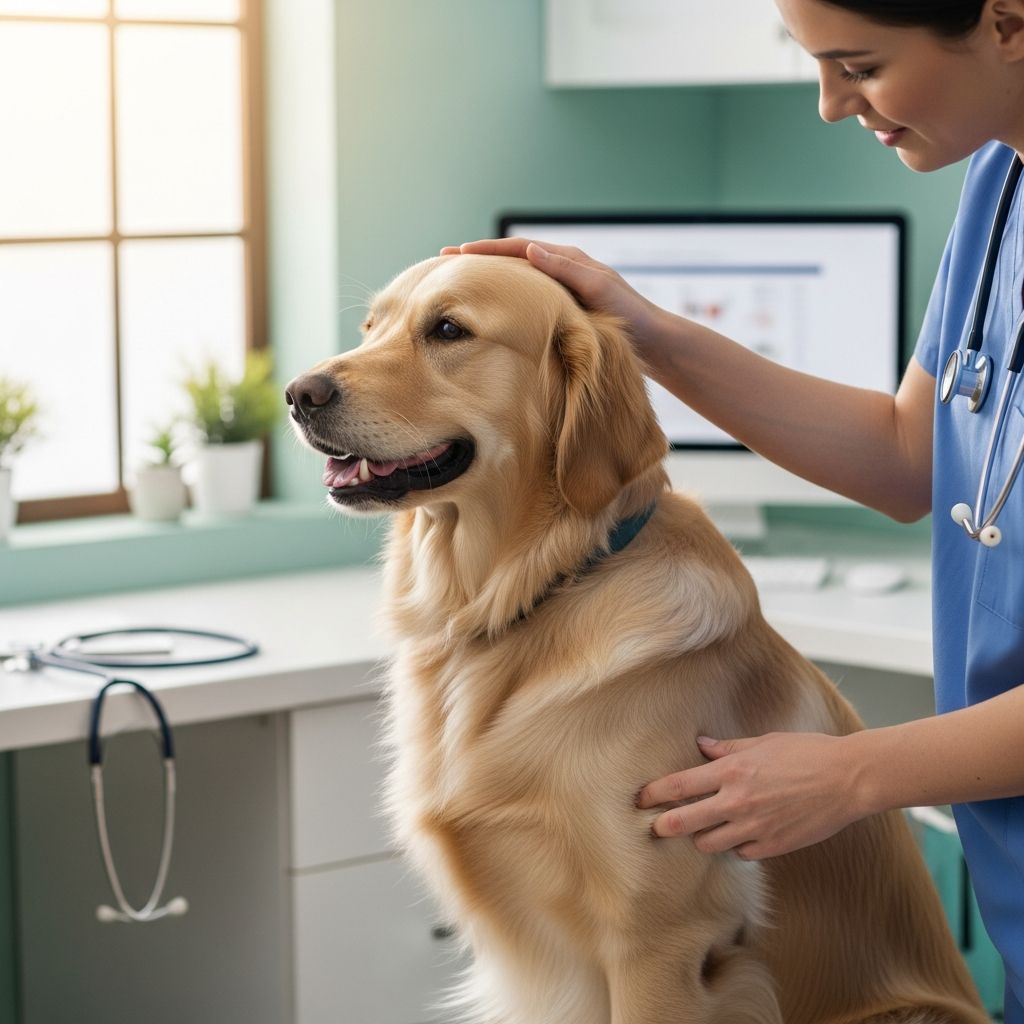
Fatty tumors, known as lipomas, represent one of the most frequent benign growths in dogs, particularly as they age. These soft, movable masses develop from fat cells and typically pose no immediate health threat, allowing many to be monitored rather than treated aggressively. However, their location, size, or growth rate can necessitate intervention to ensure your dog’s comfort and mobility.
Understanding the Nature of Canine Lipomas
Lipomas form when fat cells multiply abnormally, creating encapsulated lumps under the skin. They are especially common in overweight, middle-aged to senior dogs of breeds like Labrador Retrievers, Doberman Pinschers, and Weimaraners. Most remain small and stable, but some can expand to interfere with movement or cause irritation.
Distinguishing lipomas from malignant counterparts like liposarcomas is crucial. While lipomas are harmless, liposarcomas grow aggressively and may metastasize, demanding prompt veterinary evaluation through biopsy or fine-needle aspiration. Early detection via regular physical exams helps differentiate these, guiding appropriate management.
When Do Lipomas Require Action?
Not all lipomas need removal. Veterinarians often recommend a “watch and wait” strategy for small, asymptomatic ones. Intervention becomes essential if the tumor:
- Grows rapidly or exceeds 6 cm in diameter.
- Impairs mobility, such as in the armpit, groin, or legs.
- Causes pain, ulceration, or secondary infections.
- Affects aesthetics or the dog’s quality of life.
Regular monitoring involves measuring the mass, noting changes, and annual check-ups to track progression.
Surgical Removal: The Established Standard
Surgery remains the gold standard for lipoma excision, offering definitive removal for uncomplicated cases. Performed under general anesthesia, the procedure involves incising the skin, shelling out the encapsulated tumor, and closing the site with sutures. Smaller lipomas (<3 cm) yield quicker recoveries with minimal scarring.
For infiltrative lipomas, which invade muscle or fascia, more extensive resection by a board-certified surgeon may be required, sometimes followed by radiation to prevent recurrence. Post-operative care includes e-collars, pain management, and restricted activity for 10-14 days.
| Tumor Type | Surgical Approach | Success Rate | Recovery Time |
|---|---|---|---|
| Simple Subcutaneous | Standard excision | 95-100% | 7-10 days |
| Infiltrative | Wide margins + radiation | 70-85% | 2-4 weeks |
| Liposarcoma | Aggressive resection | Variable, high recurrence | 4+ weeks |
Data drawn from veterinary studies and clinical reviews.
Liposuction: A Less Invasive Alternative
Liposuction suctions out fatty contents through a small cannula, sparing extensive incisions. A 2011 study in the Journal of Small Animal Practice reported 96% success in removing 73 of 76 lipomas across 20 dogs, with best outcomes for tumors under 6 inches.
Ideal for multiple or medium-sized lipomas, this method reduces pain, bleeding, and healing time. Complications are rare but include incomplete removal or seroma formation. It’s performed outpatient with local anesthesia in select cases.
Injection Therapies: Minimally Invasive Innovations
Steroid Injections
Ultrasound-guided injections of triamcinolone acetonide (40 mg/mL) have shown promise for small lipomas (<3 cm). In a clinical trial, 9 of 15 canine tumors regressed completely, with others shrinking and alleviating discomfort like lameness. Side effects were limited to transient polyuria/polydipsia in some dogs.
This no-anesthesia option suits seniors or show dogs, repeatable as needed with volume dosed by tumor size.
Collagenase Injections
Collagenase (XIAFLEX®) enzymatically dissolves the fibrous capsule. Preliminary trials in dogs demonstrated 97% volume reduction in treated lipomas versus growth in controls after 90 days. Phase II/III trials were advancing as of 2013, indicating potential FDA approval for veterinary use.
Advanced Technologies: Focused Ultrasound and Lasers
Histotripsy, a non-invasive focused ultrasound, mechanically disrupts lipoma cells via cavitation. The first canine trial treated dogs under anesthesia, with follow-ups showing promising cosmetic and functional results without surgery’s risks. It’s positioned as a risk-balanced option for non-emergent cases.
Subdermal 1064-nm Nd:YAG lasers have achieved near-complete removal in human analogs, with emerging veterinary applications for precise, scar-minimizing ablation.
Holistic and Supportive Approaches
While not curative, natural supports may slow lipoma development:
- Weight Management: Obesity fuels fat cell proliferation; a balanced diet and exercise are foundational.
- Herbal Aids: Turmeric, burdock root, and dandelion may reduce inflammation, though evidence is anecdotal.
- Acupressure/Massage: Daily routines targeting meridians could improve circulation and tumor firmness, per some protocols.
Consult a holistic vet before integrating these with conventional care.
Costs and Considerations
Treatment expenses vary:
- Simple surgery: $300-$800.
- Liposuction: $500-$1,500.
- Injections: $100-$400 per session.
- Advanced therapies: $2,000+ (experimental).
Pet insurance often covers diagnostics and surgery; discuss with providers.
Preventing and Monitoring Lipomas
Maintain ideal body weight, provide antioxidant-rich nutrition, and schedule bi-annual vet exams. Home checks—feeling for new lumps weekly—enable early intervention.
Frequently Asked Questions (FAQs)
Are lipomas painful for dogs?
Typically not, unless large or in motion-critical areas.
Can lipomas turn cancerous?
Rarely; biopsy confirms if concerning.
Is surgery always necessary?
No, monitoring suffices for benign, stable ones.
What breeds are prone?
Labs, Goldens, and larger breeds over 6 years.
How effective is non-surgical treatment?
High for small tumors; 90%+ regression with steroids/collagenase.
References
- Canine Lipomas Treated with Steroid Injections: Clinical Findings — PMC/NCBI. 2012. https://pmc.ncbi.nlm.nih.gov/articles/PMC3511498/
- Best Treatment Options for Canine Lipomas — Whole Dog Journal. 2023 (approx., based on context). https://www.whole-dog-journal.com/health/cancer/best-treatment-options-for-canine-lipomas/
- Veterinary Lipoma: First Dog Treated in Focused Ultrasound Clinical Trial — Focused Ultrasound Foundation. 2023. https://www.fusfoundation.org/posts/veterinary-lipoma-first-dog-treated-in-focused-ultrasound-clinical-trial/
- Lipomas and Liposarcomas (Adipose Tumors) — VCA Animal Hospitals. 2024. https://vcahospitals.com/know-your-pet/adipose-lipoma-tumors
- Lipoma in Dogs: Symptoms, Causes, and Treatment — GoodRx. 2024. https://www.goodrx.com/pet-health/dog/lipoma-in-dogs
- Lipoma in Dogs: Everything a Pet Parent Needs To Know — PetMD. 2024. https://www.petmd.com/dog/condition/skin/lipoma-in-dogs
Similar Articles








Read full bio of Sneha Tete




