

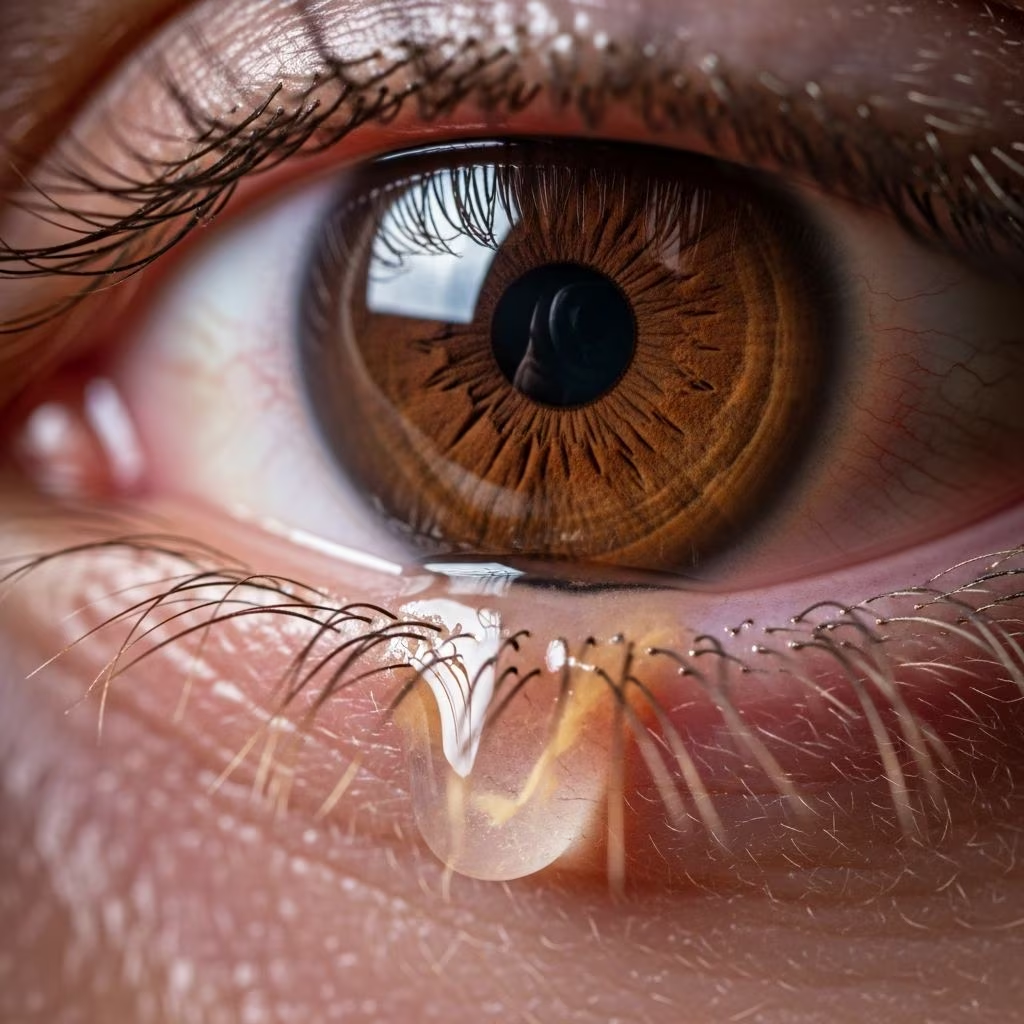
Eye discharge, often called eye boogers or gunk, is a common occurrence that builds up overnight or during the day. While a small amount is normal, excessive or unusual discharge can signal underlying issues ranging from minor irritations to infections requiring medical attention. This guide breaks down the primary causes, safe removal techniques, and preventive measures to maintain clear, healthy eyes.
Understanding Normal vs. Abnormal Eye Discharge
The eyes naturally produce tears and mucus to protect against dust, bacteria, and debris. During sleep, reduced blinking allows this mixture to dry and collect in the corners, forming crusty remnants upon waking. Normal discharge is typically clear or slightly white, thin, and easily wiped away.
Abnormal discharge changes in color, texture, or volume. Yellow, green, or thick pus-like material often points to bacterial involvement, while watery output accompanies allergies or viruses. Persistent buildup, especially with redness or pain, warrants closer inspection.
Common Causes of Excessive Eye Discharge
Several factors trigger increased mucus production. Identifying the source helps determine the right response.
Infections: Bacterial and Viral Culprits
Bacterial conjunctivitis, or pink eye, produces thick, sticky discharge that glues eyelids shut overnight. Symptoms include redness, swelling, and itchiness, often affecting one or both eyes. Viral forms yield watery discharge with pinkness but less pus.
Styes, infected eyelid glands, create localized swelling and discharge. Chalazia, non-infectious blockages, may also leak mucus. Keratitis, corneal inflammation, adds pain, light sensitivity, and blurred vision alongside gunk.
Allergies and Environmental Irritants
Pollen, dust, pet dander, or smoke provoke allergic conjunctivitis, leading to itchy, watery eyes with stringy mucus. Contact lens wearers risk giant papillary conjunctivitis from lens irritation.
Eye makeup or unclean lenses trap debris, prompting excess mucus as a defense.
Blockages and Structural Issues
A blocked tear duct hinders drainage, causing tearing, swelling, and sticky buildup, especially in infants. Adults may experience this from infections or injury.
Dry Eyes and Age-Related Changes
Insufficient tear production leads to irritation, prompting compensatory mucus. Common in older adults, symptoms include grittiness and burning.
Safe Techniques for Removing Eye Discharge
Proper cleaning prevents spreading potential infections. Always wash hands first with soap and warm water.
- Warm Compresses: Soak a clean cloth in warm (not hot) water, wring it out, and place over closed eyes for 5-10 minutes. Gently massage eyelids to loosen crust. Repeat 3-4 times daily.
- Saline Solution Rinse: Use sterile saline or a homemade mix (1/4 tsp non-iodized salt in 1 cup boiled, cooled water). Dip a cotton ball, wipe from inner to outer eye corner, avoiding rubbing.
- Baby Shampoo Dilution: Mix a drop with warm water for eyelid scrubs. Use a soft cloth to clean lash bases gently.
Avoid harsh soaps, fingers, or shared towels. Discard old makeup and replace contact lens cases regularly.
Home Remedies for Relief
Many cases resolve with simple interventions.
| Condition | Remedy | Duration |
|---|---|---|
| Bacterial Pink Eye | Antibiotic drops (prescribed) | 5-7 days |
| Allergies | Antihistamine drops, cold compress | Until exposure ends |
| Dry Eyes | Artificial tears, humidifier | Ongoing |
| Stye | Warm compress, massage | 1-2 weeks |
| Blocked Duct | Massage, irrigation | Varies; surgery if persistent |
For dry eyes, omega-3 supplements and screen breaks (20-20-20 rule: every 20 minutes, look 20 feet away for 20 seconds) aid lubrication.
Medical Treatments for Persistent Problems
Consult an eye doctor if symptoms last over 48 hours or worsen. Bacterial infections need antibiotics; viral ones self-limit but require hygiene to prevent spread.
Severe cases like gonorrhea-related discharge demand systemic antibiotics and partner testing. Herpes infections require antivirals; avoid steroids without specialist guidance.
Surgery corrects chronic blockages or chalazia unresponsive to compresses.
Prevention Strategies for Healthy Eyes
- Practice frequent handwashing, especially before touching eyes.
- Remove makeup nightly; don’t share products.
- Follow contact lens hygiene: clean, replace as scheduled, avoid overnight wear.
- Manage allergies with avoidance and medications.
- Stay hydrated and use humidifiers in dry environments.
- Avoid eye rubbing; use drops instead.
Children under 1 often outgrow blocked ducts naturally; monitor for infections during colds.
When to Seek Immediate Professional Help
Red flags include vision changes, severe pain, light sensitivity, rash near the eye, fever, or discharge with swelling that spreads. Infants with pus need prompt evaluation to rule out serious infections like gonorrhea.
Frequently Asked Questions (FAQs)
Is eye discharge always a sign of infection?
No, allergies, dry eyes, or irritants often cause it without bacteria. Color and symptoms guide diagnosis.
Can I use tea bags or honey for cleaning?
Avoid unproven remedies; they risk irritation or contamination. Stick to saline or prescribed solutions.
How long should I try home remedies before seeing a doctor?
If no improvement in 2 days or worsening occurs, seek care. Bacterial cases rarely self-resolve fully.
Are contact lenses safe during discharge episodes?
No, remove them until cleared to prevent worsening or corneal issues.
Does age affect discharge frequency?
Yes, infants face duct issues, adults dry eyes, and all ages infections.
Long-Term Eye Health Tips
Incorporate annual eye exams, UV-protective sunglasses, and a diet rich in vitamins A and C. Blink fully during screen time to maintain tear film.
By addressing discharge promptly and adopting hygiene habits, most people enjoy relief without complications. Persistent issues benefit from professional input for tailored care.
References
- Eye boogers: Causes and how to get rid of them — MedicalNewsToday. 2023-10-12. https://www.medicalnewstoday.com/articles/320812
- Goopy Eyes: Causes and Treatment — Healthline. 2024-05-15. https://www.healthline.com/health/goopy-eyes
- How to Get Rid of Eye Mucus: Effective Home Remedies and Tips — Northwest Eye Clinic. 2023-08-20. https://nweyeclinic.com/how-to-get-rid-of-eye-mucus-effective-home-remedies-and-tips/
- Eye Discharge: Causes and How to Stop It — Meriden-Curtis Refocus Eye Doctors. 2024-02-10. https://meriden-curtis.refocuseyedoctors.com/article/eye-discharge-treatment/
- Eye Discharge: Causes, Types and Treatment — All About Vision. 2023-11-05. https://www.allaboutvision.com/conditions/symptoms/eye-discharge/overview-of-eye-discharge/
- Eye – Pus or Discharge — Seattle Children’s Hospital. 2024-01-18. https://www.seattlechildrens.org/conditions/a-z/eye—pus-or-discharge/
- Eye Discharge (Eye Mucus): Causes, Types & Treatment — Cleveland Clinic. 2024-03-22. https://my.clevelandclinic.org/health/symptoms/eye-discharge



