

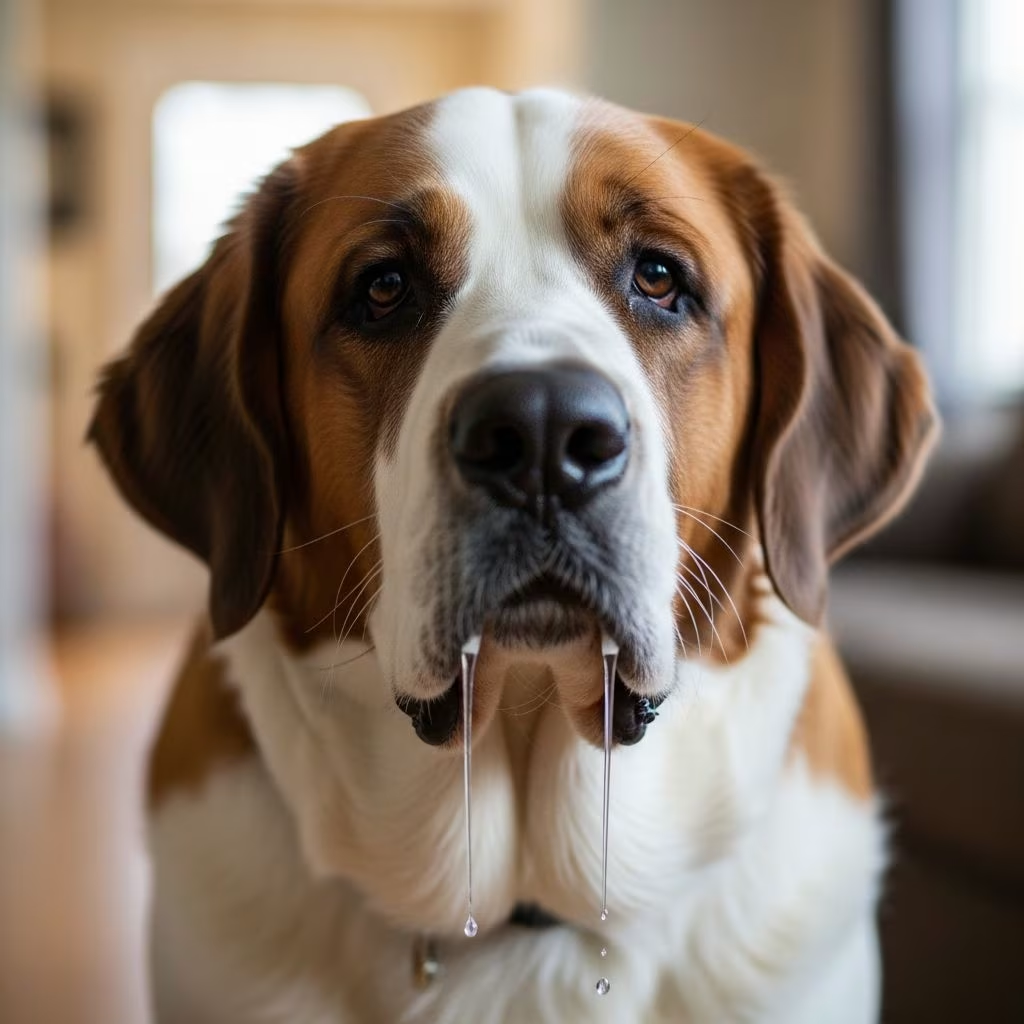
Dogs naturally produce saliva to aid digestion, maintain oral health, and regulate body temperature, but when it leads to constant dripping, it can signal underlying problems. Understanding the distinction between normal and problematic drooling helps owners respond appropriately, potentially preventing health complications.
Understanding Saliva’s Role in Canine Health
Saliva in dogs serves critical functions: it moistens food for easier swallowing, contains enzymes that begin digestion, fights bacteria to prevent infections, and assists in cooling the body through panting. Excessive production, known as ptyalism or hypersalivation, occurs when glands overproduce or swallowing is impaired, leading to visible drool.
Breeds with loose jowls, such as Bloodhounds, Mastiffs, St. Bernards, and Newfoundlands, often appear to drool more due to anatomical structure rather than overproduction. In these cases, saliva simply escapes the mouth more easily.
Common Non-Emergency Triggers for Drooling
Many instances of increased drooling stem from benign or manageable causes. Recognizing these allows for simple interventions without immediate veterinary involvement.
- Anticipation of Food: Dogs salivate profusely at mealtime or when smelling treats, a normal Pavlovian response that subsides quickly.
- Excitement or Stress: High-energy situations like play, visitors, or car rides can stimulate glands, especially in anxious dogs during thunderstorms or fireworks.
- Motion Sickness: Nausea from travel activates salivary production; symptoms resolve post-trip and can be mitigated with medication.
- Heat Regulation: Panting in warm weather increases saliva flow for evaporative cooling, though extreme cases may indicate overheating.
When Drooling Signals a Medical Emergency
Sudden or profuse drooling accompanied by distress warrants urgent care. Key red flags include vomiting, lethargy, pawing at the mouth, or breathing difficulties.
| Emergency Cause | Symptoms | Action Needed |
|---|---|---|
| Toxin Ingestion | Drooling + vomiting, diarrhea, tremors (e.g., chocolate, xylitol, antifreeze) | Immediate vet ER; decontamination |
| Heatstroke | Heavy drooling, red gums, weakness, collapse | Cool dog, rush to ER |
| Bloat (GDV) | Drooling + distended abdomen, retching | Surgical emergency |
| Foreign Object/Obstruction | Drooling + gagging, refusal to eat | ER evaluation, possible surgery |
Poisoning from household items or plants like lilies triggers hypersalivation as the body expels toxins, often with neurological signs requiring antidotes and fluids. Similarly, gastric dilatation-volvulus (bloat) demands rapid surgery to prevent fatality.
Oral Health Problems Leading to Drooling
Dental issues are frequent culprits in chronic drooling. Pain or inflammation prevents normal swallowing, causing saliva buildup.
- Severe Periodontal Disease: Infections, abscesses, or loose teeth lead to bleeding and foul breath.
- Trauma or Burns: Chewing electrical cords or caustic chemicals causes mouth injuries.
- Tumors or Growths: Oral masses interfere with eating and swallowing.
- Salivary Gland Disorders: Sialadenosis enlarges glands non-inflammatorily; congenital duct issues may need surgery.
A full oral exam under anesthesia, often with imaging, diagnoses these; treatments range from cleanings to extractions.
Other Health-Related Causes
Beyond oral and emergencies, systemic issues contribute.
- Nausea from GI Upset: Vestibular disease or blockages stimulate glands.
- Neurological Conditions: Seizures, rabies, or cranial nerve dysfunction impair control.
- Infections or Metabolic Issues: Though rarer, these alter saliva production.
Recent exposures to medications or human products with bitter tastes can also provoke temporary drooling.
Step-by-Step Diagnosis Process
Veterinarians follow a systematic approach:
- History Taking: Note onset, triggers, diet, toxin exposure, and breed.
- Physical Exam: Check mouth, abdomen, temperature, and neurological status.
- Diagnostics: Bloodwork, X-rays, ultrasound, or dental assessment.
- Treatment Planning: Discuss options, costs, and prognosis.
Early intervention stabilizes via IV fluids, pain relief, or nausea meds.
Practical Home Management Strategies
While professional care addresses roots, daily habits reduce drooling:
- Use bibs or towels around food areas for drool-prone breeds.
- Feed anti-nausea meds pre-travel; use calming aids for anxiety.
- Maintain dental hygiene with vet-approved chews and brushings.
- Secure toxins and monitor play to prevent ingestion.
For stress, create quiet spaces during events; gradual desensitization helps long-term.
Preventive Measures for a Drool-Free Life
Proactive steps minimize risks:
- Regular Vet Checkups: Annual dental cleanings catch issues early.
- Diet Control: Avoid fatty foods triggering nausea; use slow feeders.
- Environment Safety: Remove hazards like cords, plants, chemicals.
- Breed-Specific Care: Extra wiping for jowly dogs; cooling mats in heat.
Frequently Asked Questions (FAQs)
Is all dog drooling a sign of illness?
No, breeds like Mastiffs drool due to anatomy, and excitement/food anticipation is normal. Sudden changes or extrasymptoms indicate problems.
How quickly should I seek vet care for drooling?
Immediately if with vomiting, pain, or collapse; otherwise, schedule soon for chronic cases.
Can home remedies stop drooling?
They manage symptoms (e.g., towels, calm environments) but not causes; vet diagnosis is essential.
What breeds drool the most?
Bloodhound, St. Bernard, Newfoundland, Great Dane, Mastiff due to lip structure.
Does drooling affect senior dogs differently?
Yes, increased risk of dental/neurological issues; monitor closely.
References
- Is Excessive Drooling in Dogs an Emergency? — Focused Pet Care. 2023. https://focusedpetcare.com/emergency-vet-in-jacksonville-fl/is-excessive-drooling-in-dogs-an-emergency/
- Excessive Dog Drooling in Your Canine Companion — Broomfield Vet. 2023. https://broomfieldvet.com/blog/excessive-dog-drooling/
- Excessive drooling in Dogs — Apex Veterinary Specialists. 2024. https://apexvetss.com/ptyalism/
- Beyond the Slobber: Why Your Dog Won’t Stop Drooling — Harlingen Veterinary Clinic. 2023. https://harlingenveterinaryclinic.com/blog/dog-drooling-constantly/
- Is Excessive Drooling in Dogs an Emergency? 7 Signs That You Need to Visit the Pet ER — Hidden Springs Animal. 2023. https://hiddenspringsanimal.com/experiencing-an-emergency/is-excessive-drooling-in-dogs-an-emergency-7-signs-that-you-need-to-visit-the-pet-er/
- Why is my dog drooling so much? — Carolina Veterinary Specialists. 2024-04-15. https://www.rock-hill.carolinavet.com/site/blog/2024/04/15/dog-drooling
- Excessive Drooling in Dogs: When to Seek Urgent Care — GSVS. 2023. https://gsvs.org/blog/excessive-drooling-dogs-urgent-care/



