Excessive Cat Licking: Complete Guide To Causes And Treatment
Discover why your cat licks too much and proven strategies to restore their comfort and coat health effectively.
Managing Excessive Cat Licking
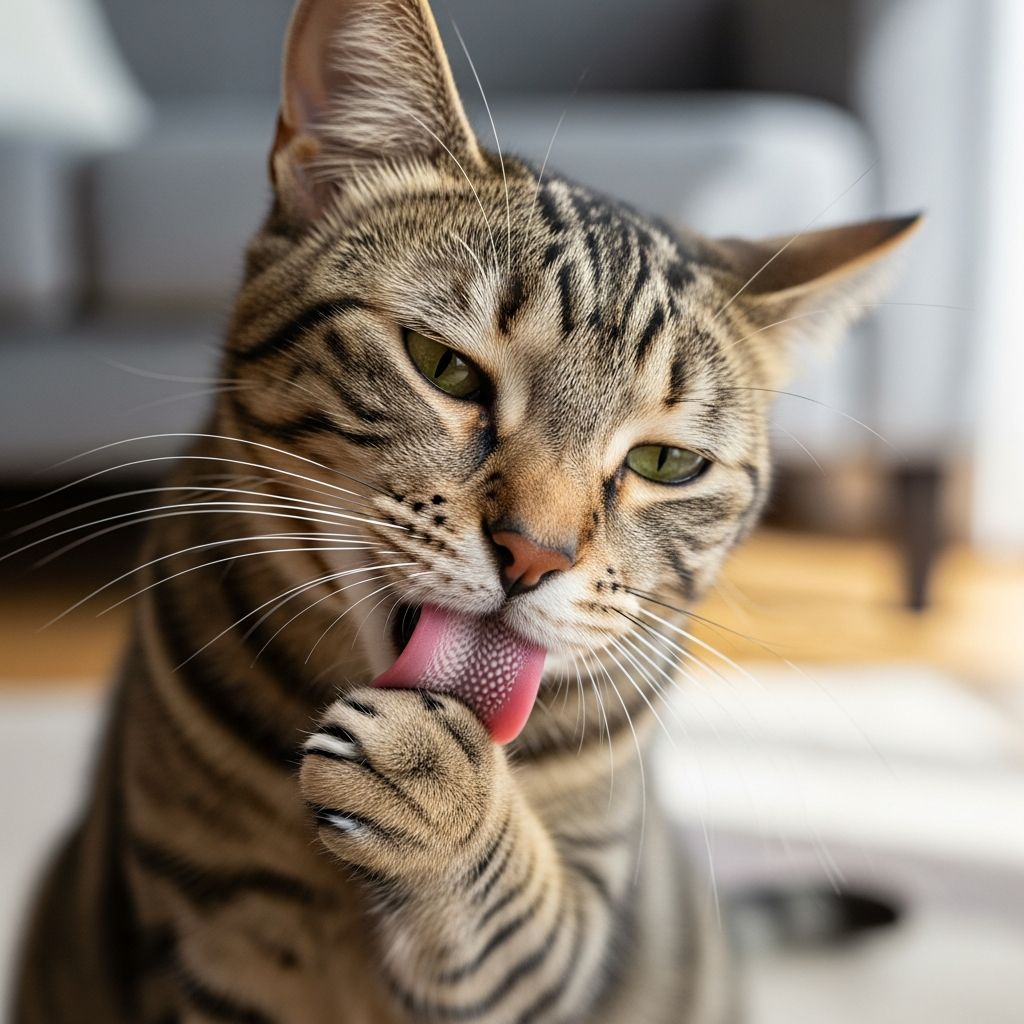
Excessive licking in cats goes beyond normal grooming, often signaling underlying health or behavioral concerns that require prompt attention. While cats naturally lick to clean themselves, bond with owners, or self-soothe, persistent overgrooming can lead to hair loss, skin irritation, and even infections if unaddressed.
Recognizing Normal vs. Problematic Licking
Cats spend up to 50% of their waking hours grooming, which helps regulate body temperature, spread natural oils, and remove debris. However, when licking becomes obsessive—resulting in bald patches, red skin, or raw areas—it’s a red flag. Signs include focusing on specific spots like the belly, legs, or paws, accompanied by restlessness or vocalization.
- Bald spots (alopecia): Often on flanks, thighs, or abdomen from repeated licking.
- Skin changes: Redness, scabs, or sores indicating irritation or secondary infection.
- Behavioral shifts: Increased hiding, aggression, or reduced appetite alongside grooming spikes.
Early detection prevents escalation, as chronic cases may require medical intervention.
Primary Medical Causes of Over-Licking
Many instances of excessive licking stem from physical discomfort, prompting cats to target itchy or painful areas.
Parasitic Infestations
Fleas, mites, ticks, and even ringworm trigger intense itching, especially around the neck, lower back, and tail base. Cats’ meticulous grooming often hides parasites, but clues like ‘flea dirt’ (black specks) or matted fur persist. Mites cause crusty ears or patchy hair loss, while ringworm adds circular bald patches.
Allergies and Skin Conditions
Allergies to food proteins, pollen, dust mites, or flea saliva provoke widespread itching. Environmental allergens worsen seasonally, while food sensitivities show year-round via paw or belly licking. Dry skin from poor diet exacerbates this, leading to flaky coats.
Pain-Related Grooming
Hidden pains like arthritis, dental issues, or urinary tract infections manifest as over-licking near affected sites. Joint discomfort prompts leg or hip focus, while abdominal licking signals cystitis.
| Cause | Common Sites | Key Signs |
|---|---|---|
| Parasites | Back, tail, neck | Itchiness, flea dirt, scabs |
| Allergies | Paws, belly, face | Redness, sneezing, ear issues |
| Pain | Joints, abdomen | Limping, straining to urinate |
Behavioral Triggers Behind Overgrooming
Not all excessive licking is medical; stress often plays a pivotal role. Cats lick for comfort during anxiety, akin to human nail-biting, which can habituate into compulsive cycles.
- Environmental changes: New pets, moves, or routine shifts disrupt security.
- Boredom: Indoor cats without stimulation redirect energy to grooming.
- Social tensions: Multi-cat households breed territorial stress.
Cornell Feline Health Center notes that ‘displacement licking’ calms cats amid uncertainty but persists without intervention.
Step-by-Step Diagnosis Process
Veterinarians follow a systematic approach to pinpoint causes.
- Physical exam: Skin scrapes, flea combing, and coat inspection for parasites.
- Allergy testing: Intradermal or blood tests for environmental triggers; elimination diets for food issues (8-12 weeks strict trial).
- Imaging/Bloodwork: Rules out pain sources like hyperthyroidism or infections.
- Behavioral assessment: History review for stress correlates.
Owners aid by noting onset timing, affected areas, and recent changes.
Targeted Treatment Strategies
Treatments address root causes for lasting relief.
Parasite Elimination
Vet-recommended topicals or orals (e.g., fipronil, selamectin) for 6-8 weeks eradicate fleas/mites. Environment treatment prevents reinfestation.
Allergy Management
Hypoallergenic diets or hydrolyzed proteins resolve food allergies. Antihistamines, steroids, or apoquel-like drugs curb itch from environmental sources. Omega-3 supplements soothe dry skin.
Pain Relief
NSAIDs for arthritis, antibiotics for infections, or dental cleanings target discomfort.
Behavioral Interventions
Enrich environments with perches, toys, and pheromone diffusers. Anti-anxiety meds like fluoxetine if needed.
For skin damage, e-collars prevent further licking during healing, paired with antibiotics.
Prevention Tips for Healthy Grooming
Proactive steps maintain balance.
- Flea preventives year-round.
- High-quality, novel-protein diets.
- Daily play (10-15 mins) and vertical spaces.
- Regular vet check-ups for early detection.
- Stress minimization via consistent routines.
When to Seek Immediate Vet Care
Rush to the vet if licking causes open wounds, sudden baldness, lethargy, or vomiting. Delays risk infections or worsened anxiety.
Frequently Asked Questions (FAQs)
Why does my cat lick its paws excessively?
Paw licking often ties to allergies, parasites, or stress; vet evaluation distinguishes causes.
Can diet stop my cat’s overgrooming?
Yes, exclusion diets identify food allergies, resolving up to 30% of cases.
Is an e-collar always necessary?
Only for severe skin damage; alternatives like bitter sprays or suits work milder cases.
How long until treatments show results?
Parasite control: 1-2 weeks; diets: 8-12 weeks; behavior: variable with consistency.
Does over-licking affect all cats equally?
Females and purebreds like Siamese are prone due to genetics/stress sensitivity.
Long-Term Monitoring and Support
Track progress with photos/journals. Recheck vet if no improvement in 2-4 weeks. Holistic aids like brushing strengthen bonds and distribute oils naturally. With diligence, most cats regain normal grooming, enjoying fuller coats and calmer demeanors.
References
- Cats and Compulsive Scratching, Licking, and Chewing — WebMD. 2023-05-15. https://www.webmd.com/pets/cats/features/cats-and-compulsive-scratching-licking-and-chewing
- Understanding and Addressing Excessive Hair Licking in Cats — Little Silver Animal Hospital. 2024-02-10. https://littlesilveranimalhospital.com/blog/excessive-hair-licking-in-cats/
- Why Is My Cat Licking Its Paws? — Brown Vet Hospital. 2024-08-20. https://brownvethospital.com/blog/cat-licking-paws/
- Why Do Cats Lick Themselves, and When Is It a Problem? — GoodRx. 2025-01-12. https://www.goodrx.com/pet-health/cat/why-do-cats-lick-so-much
- Cats that Lick Too Much — Cornell University College of Veterinary Medicine. 2023-11-05. https://www.vet.cornell.edu/departments-centers-and-institutes/cornell-feline-health-center/health-information/feline-health-topics/cats-lick-too-much
- Why Cats Overgroom and How You Can Stop It — PetMD. 2024-06-18. https://www.petmd.com/cat/general-health/how-tell-if-your-cat-over-grooming
- Cat Overgrooming: What it Looks Like & How to Stop It — Zoetis Petcare. 2024-09-30. https://www.zoetispetcare.com/blog/article/cat-overgrooming
Similar Articles







Read full bio of medha deb