

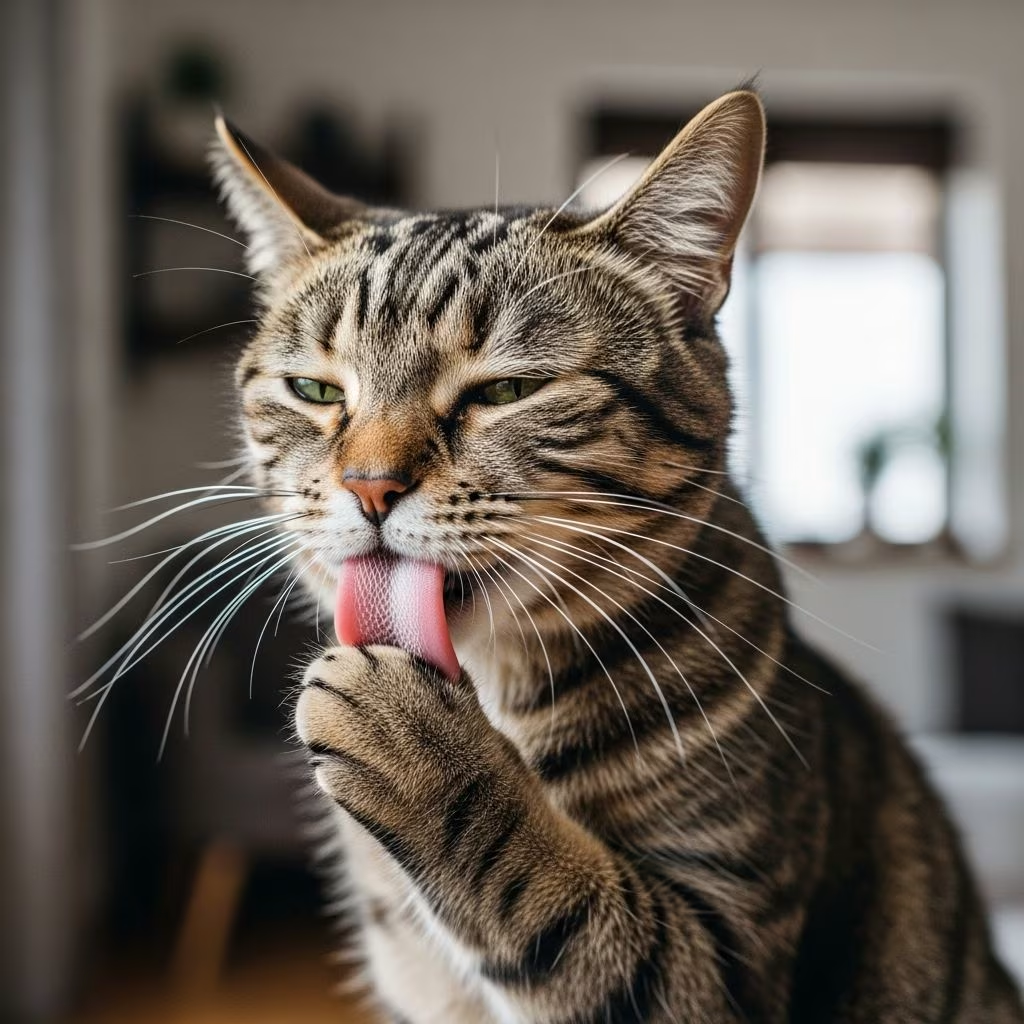
Excessive grooming in cats, often manifesting as relentless licking, biting, or hair pulling, can lead to noticeable hair loss, skin irritation, and discomfort. This behavior exceeds normal maintenance routines and signals underlying issues that require prompt attention to prevent long-term damage.
Recognizing Signs of Problematic Grooming Habits
Normal grooming keeps a cat’s coat clean and distributes natural oils, but overgrooming becomes evident when it dominates their day. Watch for bald patches, especially on the belly, flanks, or legs, red or raw skin, and symmetrical hair thinning which differentiates it from patchy shedding.
- Intense licking or chewing focused on specific body areas
- Visible skin wounds or scabs from constant irritation
- Reluctance to engage in play or rest due to grooming fixation
- Hairballs increasing beyond typical frequency
Early detection is crucial as chronic overgrooming can evolve into a compulsive habit even after the initial trigger resolves.
Primary Medical Triggers Behind Overgrooming
Many cases stem from physical discomfort prompting cats to soothe itchy or painful areas through grooming. Ruling out medical causes first is essential before considering behavioral factors.
Skin Parasites and Infections
Fleas, mites, and lice provoke intense itching, leading cats to lick excessively and pull out hair. Flea saliva allergies amplify this, causing hot spots and secondary bacterial infections.
- Flea dirt appears as black specks in fur
- Mites may cause crusty ears or walking dandruff
- Treatment involves targeted parasiticides and medicated shampoos
Allergies Affecting the Skin
Environmental allergens like pollen, food sensitivities, or contact irritants trigger dermatitis. Cats respond by overgrooming affected regions, often paws, face, or groin.
Veterinary allergy testing identifies culprits, with management including hypoallergenic diets, antihistamines, or immunotherapy.
Endocrine and Systemic Disorders
Conditions such as hyperthyroidism or hormonal imbalances disrupt skin health, prompting grooming spikes. Pain from arthritis or urinary issues can also manifest indirectly through stress-induced licking.
| Condition | Common Symptoms | Diagnostic Approach |
|---|---|---|
| Hyperthyroidism | Weight loss, increased appetite, hyperactivity | Blood tests for thyroid levels |
| Food Allergy | Chronic diarrhea, ear infections alongside grooming | Elimination diet trials |
| Parasitic Infestation | Visible pests, intense scratching | Skin scrapes, flea combing |
Behavioral and Emotional Contributors
When medical exams yield no findings, psychogenic alopecia—overgrooming driven by stress—takes precedence. Cats, sensitive to their surroundings, use grooming as a calming mechanism releasing endorphins.
Common Stress Inducers
Chronic stressors subtly erode a cat’s well-being, unlike acute events. Household dynamics play a key role.
- New pets, babies, or visitors disrupting territory
- Conflicts with other animals or strained human bonds
- Environmental shifts like moved furniture or litter box relocation
- Boredom from insufficient stimulation or vertical space
- Viewing outdoor cats through windows, sparking territorial anxiety
Boredom exacerbates this, as grooming fills idle time, potentially becoming habitual.
Step-by-Step Diagnostic Process
A thorough veterinary evaluation pinpoints the root cause. Begin with a detailed history covering recent changes and symptom onset.
- Physical exam assessing skin, coat, and overall health
- Skin cytology or biopsies for infections or allergies
- Bloodwork screening for systemic diseases
- Flea checks and parasite treatments as first-line intervention
- Behavioral assessment if physical tests are negative
Collaboration with veterinary dermatologists or behaviorists enhances complex cases.
Targeted Treatment Strategies
Tailored interventions address the diagnosed cause, combining medical and environmental adjustments for optimal results.
Addressing Parasites and Allergies
Prescription flea preventives eliminate infestations quickly. Allergy management may involve steroids short-term, transitioning to long-term desensitization.
Behavioral Interventions
Stress reduction forms the cornerstone. Identify and mitigate triggers through environmental tweaks.
- Enrich spaces with scratching posts, perches, and puzzle feeders
- Maintain consistent feeding and play schedules
- Use pheromone diffusers mimicking calming facial scents
- Incorporate interactive toys redirecting grooming energy
Anti-anxiety medications provide relief during adjustment periods, weaned as behavior stabilizes.
Supportive Skin Care
Topical therapies like medicated wipes soothe irritation. Elizabethan collars prevent access to sore spots temporarily.
Preventive Measures for Long-Term Success
Proactive habits minimize recurrence. Regular vet check-ups catch issues early.
- Monthly parasite preventives year-round
- Diverse diet avoiding common allergens
- Multi-level litter box setups reducing conflicts
- Daily play sessions combating boredom
Monitor for relapse, as habits can persist post-resolution.
Frequently Asked Questions
Will my cat’s hair grow back after overgrooming?
Yes, once the cause is treated and grooming ceases, regrowth typically occurs within weeks to months, depending on severity.
Is overgrooming always a sign of stress?
No, medical issues must be excluded first; stress is a diagnosis of exclusion.
Can diet changes stop overgrooming?
Hypoallergenic or novel protein diets help food-related cases, but consult a vet for proper trials.
How long does treatment take?
Varies by cause; parasite treatments act fast, while behavioral changes may require months of consistency.
Should I punish overgrooming?
Never; it heightens stress. Distract positively instead.
Monitoring Progress and When to Seek Help
Track grooming frequency and coat condition weekly. Persistent or worsening symptoms warrant re-evaluation. Professional behaviorists offer customized plans for stubborn cases.
With patience and targeted action, most cats recover fully, resuming balanced grooming and enjoying life.
References
- Understanding Cat Over-Grooming: Causes And Solutions For Hair Pulling And Itching — Tri-State Vet. 2023-01-01. https://tristatevet.com/blog/understanding-cat-over-grooming-causes-and-solutions-for-hair-pulling-and-itching/
- Cat Overgrooming: What it Looks Like & How to Stop It — Zoetis Petcare. 2023-01-01. https://www.zoetispetcare.com/blog/article/cat-overgrooming
- Cat Overgrooming: What’s Normal and What Isn’t? — Bond Vet. 2023-01-01. https://bondvet.com/blog/cat-overgrooming
- Cat Overgrooming: Causes and Treatment — Purina US. 2023-01-01. https://www.purina.com/articles/cat/health/skin-fur-ears/why-do-cats-overgroom
- Cat Overgrooming – Why They Do It & How To Stop It — Pets Doctors of America. 2023-02-15. https://www.petdoctorsofamerica.com/site/blog/2023/02/15/cat-overgrooming



