Encephalitis In Cats: 7 Essential Management Steps
Comprehensive guide to recognizing, diagnosing, and effectively treating brain inflammation in felines for better outcomes.
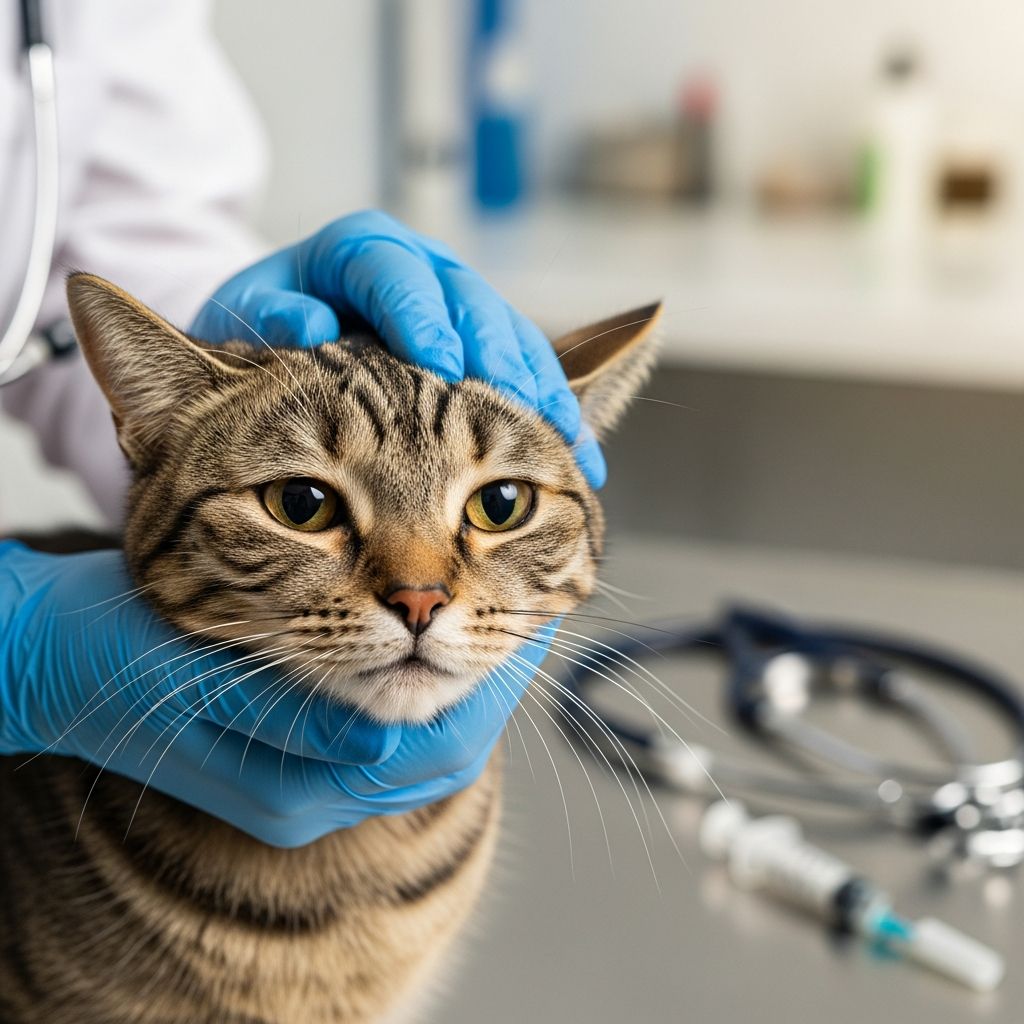
Managing Encephalitis in Cats
Encephalitis represents a critical health challenge for cats, characterized by inflammation within the brain tissue that can rapidly escalate if not addressed promptly. This condition demands immediate veterinary attention to mitigate swelling, control symptoms, and target underlying triggers for the best possible recovery.
Understanding the Nature of Feline Brain Inflammation
At its core, encephalitis involves the swelling of brain parenchyma, often extending to surrounding meninges in cases of meningoencephalitis. In cats, this inflammation disrupts normal neurological function, leading to a cascade of debilitating effects. Unlike more common feline ailments, brain inflammation stems from a complex interplay of infectious agents and non-infectious factors, making accurate diagnosis essential.
The brain’s protective barriers, such as the blood-brain barrier, can become compromised, allowing harmful pathogens or immune responses to infiltrate sensitive neural areas. Early recognition of this process is vital, as timely intervention can prevent permanent damage or fatality.
Diverse Triggers Behind Encephalitis in Felines
Multiple etiologies contribute to encephalitis in cats, broadly categorized into infectious and non-infectious origins. Infectious causes dominate in many cases, with viruses like feline infectious peritonitis (FIP), feline immunodeficiency virus (FIV), and rabies posing significant threats. Bacterial invasions, fungal pathogens such as cryptococcosis, and parasites including Toxoplasma gondii further complicate the picture.
- Viral Infections: FIP virus frequently leads to neurological manifestations, while herpesvirus and calicivirus can provoke acute episodes.
- Bacterial and Fungal Culprits: Sepsis-related bacteria or fungi like aspergillosis infiltrate via bloodstream or respiratory routes.
- Parasitic Invaders: Protozoa such as Neospora caninum target neural tissue, especially in immunocompromised cats.
- Immune-Mediated Forms: Idiopathic or autoimmune encephalitis occurs when the cat’s immune system erroneously attacks brain tissue, a prevalent issue absent clear infectious proof.
Geographic factors influence prevalence; for instance, tick-borne diseases prevail in certain regions, while fungal outbreaks tie to environmental exposures.
Recognizing Critical Symptoms Early
Symptoms of encephalitis vary based on the affected brain region but share common threads like seizures, disorientation, and behavioral shifts. Cats may exhibit circling, head pressing against surfaces, ataxia, or sudden aggression. Neck rigidity, fever, and hypersensitivity to touch signal meningeal involvement.
| Symptom Category | Common Manifestations | Urgency Level |
|---|---|---|
| Neurological | Seizures, circling, loss of balance | High – Immediate vet care |
| Behavioral | Confusion, aggression, lethargy | Moderate to High |
| Physical | Neck pain, weakness, coma in severe cases | Critical |
Owners should monitor for progressive worsening, as untreated cases can culminate in irreversible coma or death.
Diagnostic Approaches for Accurate Identification
Veterinarians employ a multi-faceted strategy to pinpoint encephalitis causes. Initial assessments include thorough physical and neurological exams, assessing cranial nerves, reflexes, and gait. Blood panels detect systemic infections or inflammatory markers, while cerebrospinal fluid (CSF) analysis via lumbar puncture reveals elevated white cells, proteins, or pathogens.
- Imaging: MRI or CT scans visualize brain lesions, edema, or structural anomalies.
- PCR Testing: Identifies viral, bacterial, or parasitic DNA in CSF or blood.
- Serology: Antibody tests for toxoplasmosis or fungal antigens.
Distinguishing infectious from idiopathic forms is crucial, as treatments diverge sharply.
Core Treatment Strategies Tailored to Cause
Treatment prioritizes stabilizing the cat: reducing intracranial pressure, seizing control, and pain management via hospitalization with IV fluids, mannitol for edema, and anticonvulsants like phenobarbital.
Targeted therapies follow diagnostics:
- Infectious Cases: Antibiotics (e.g., for bacterial), antifungals (ketoconazole for fungi), antivirals, or antiparasitics.
- Immune-Mediated: Immunosuppressants including high-dose prednisone, cytosar, or azathioprine, monitored via bloodwork.
Supportive measures encompass nutritional support, physical therapy, and behavioral aids. Long-term protocols may span months, with adjustments for relapses.
Home Care Essentials Post-Treatment
Once stabilized, home management focuses on medication adherence, a stress-free environment, and symptom monitoring. Administer drugs precisely, track seizure frequency, and prevent triggers like infections via vaccinations and parasite control.
- Provide soft bedding and quiet spaces to ease neck discomfort.
- Ensure hydration and palatable nutrition, possibly assisted feeding.
- Regular vet follow-ups for CSF rechecks or med tweaks.
Prognosis hinges on cause and response; infectious cases with early treatment often recover well, while autoimmune variants may require lifelong therapy.
Prevention Tactics for Proactive Owners
Minimize risks through core vaccinations against rabies and FIP-related threats, flea/tick preventives, and indoor living to curb parasite exposure. Routine wellness exams catch predispositions early.
Frequently Asked Questions
What is the survival rate for cats with encephalitis?
Outcomes vary: 70-90% for treatable infections, lower (50-70%) for autoimmune with aggressive therapy.
Can encephalitis in cats be cured completely?
Many achieve remission, but some need ongoing meds; full cures depend on etiology.
Is encephalitis contagious to other pets or humans?
Depends on cause—viral like rabies yes, most others no.
How quickly does encephalitis progress in cats?
Hours to days; seizures signal emergency.
What home remedies help with cat encephalitis?
None replace vet care; focus on supportive comfort only.
References
- Encephalitis in Cats | ASPCA Pet Health Insurance — ASPCA. 2023. https://www.aspcapetinsurance.com/resources/cat-encephalitis/
- Encephalitis and Meningitis in Cats — PetCareRx. 2024. https://www.petcarerx.com/article/encephalitis-and-meningitis-in-cats/6420
- Encephalitis in Pets | Dog and Cat Brain Inflammation — VetSpecialists. 2020-04-15. https://www.vetspecialists.com/vet-blog-landing/animal-health-articles/2020/04/15/encephalitis-in-pets-dog-and-cat-brain-inflammation
- Neurology: Encephalitis in Dogs & Cats — NC State Veterinary Hospital. 2024. https://hospital.cvm.ncsu.edu/services/small-animals/neurology/encephalitis/
- Meningitis and Encephalitis in Cats — Merck Veterinary Manual. 2023. https://www.merckvetmanual.com/cat-owners/brain-spinal-cord-and-nerve-disorders-of-cats/meningitis-and-encephalitis-in-cats
- Meningitis and Encephalitis in Dogs and Cats — BluePearl Pet Hospital. 2024. https://bluepearlvet.com/medical-articles-for-pet-owners/meningitis-and-encephalitis-in-dogs-and-cats/
Similar Articles








Read full bio of medha deb