

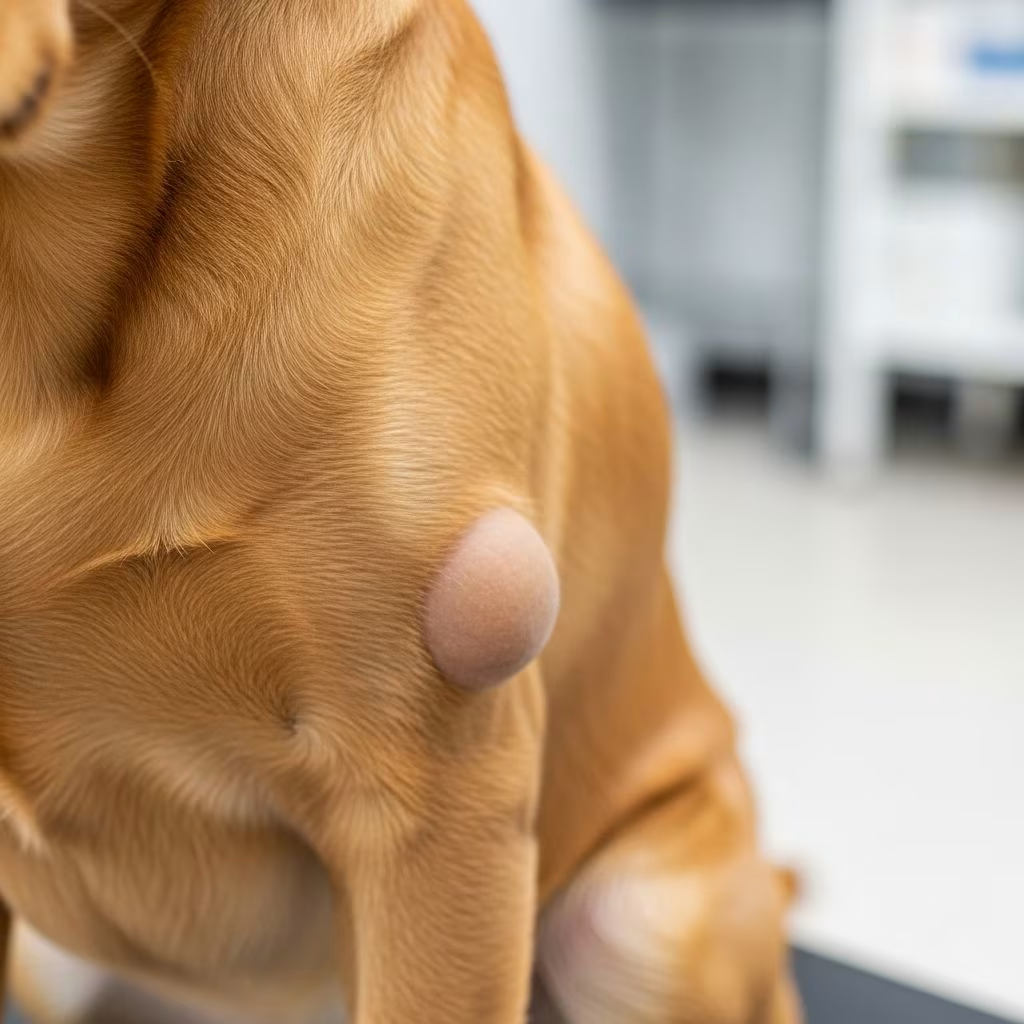
Elbow hygromas are common fluid-filled sacs that develop over a dog’s elbow joint due to repeated pressure from lying on hard surfaces. These swellings form as the body creates a protective cushion against ongoing trauma, primarily affecting large and giant breeds.
Understanding the Formation of Hygromas
Hygromas arise when chronic pressure on bony areas like the elbow disrupts blood flow and causes tissue inflammation. Over time, the body responds by producing a serous fluid-filled sac lined with synovial-like cells to shield the underlying bone. This condition is painless in early stages but can lead to complications if untreated.
Certain dogs face higher risks. Large breeds with short coats, such as Great Danes or Mastiffs, exert more force on their thin-skinned joints. Older dogs or those with arthritis spend extended periods recumbent, amplifying pressure exposure. Summer months see increased cases as dogs seek cool floors for relief.
Recognizing Symptoms Early
Owners often notice a soft, fluctuant lump over the elbow that feels like a water balloon. It remains non-painful and movable initially. As it enlarges, the skin may thin, ulcerate, or become infected, leading to firmness, heat, drainage, or lameness.
- Small, soft swelling under the skin
- Located directly over the elbow point
- No initial pain or itching
- Potential for skin breakdown if ignored
- Bilateral occurrence in many cases
Differentiate from tumors, cysts, or abscesses via veterinary exam, possibly with imaging like ultrasound to confirm extra-articular fluid pocket.
Prevention Strategies for At-Risk Dogs
Proactive changes to the home environment prevent hygroma development. Provide ample thick orthopedic foam beds in all resting areas to distribute weight evenly. Cover hard floors with rugs or interlocking foam mats, especially in summer.
Encourage position changes by placing multiple beds around the house and using treats to lure dogs onto soft surfaces. For breeds prone to lying on one side, gently roll them during rest periods.
| Risk Factor | Prevention Tip |
|---|---|
| Hard flooring | Add foam mats or rugs |
| Extended lying time | Multiple padded beds |
| Summer heat | Cool gel mats on soft bases |
| Large breed | Custom elbow protectors daily |
Non-Surgical Treatment Approaches
Early intervention favors conservative methods over invasive ones. The goal is to eliminate pressure, allowing natural fluid reabsorption over 2-6 months.
Key steps include:
- Soft bedding exclusively: Transition to high-density foam beds; discard hard-surface access.
- Protective gear: Use vented elbow sleeves or doughnut-shaped pads to keep the joint elevated off floors.
- Positioning aids: DIY options like pool noodles strapped above the elbow prevent direct contact.
- Monitoring: Weekly photos track size reduction; consult vet if no improvement in 4 weeks.
Aseptic aspiration may be performed once, but recurrence is common without protection. Avoid repeated draining to prevent infection pathways.
Veterinary Interventions for Advanced Cases
When hygromas ulcerate, infect, or exceed 5 cm, veterinary care escalates. Antibiotics treat cellulitis based on cytology cultures. Anti-inflammatories reduce swelling.
Emerging therapies include:
- Cold laser: Promotes healing and reduces inflammation non-invasively.
- Extracorporeal shockwave therapy (ESWT): Weekly sessions (3-6) stimulate blood flow; case series show complete regression without surgery.
Surgery reserves for chronic, infected, or debilitating hygromas. Options involve drainage with Penrose tubes, subtotal excision, or full bursa removal with skin grafts. Recurrence rates vary, with poor vascularity hindering healing.
Step-by-Step Home Management Plan
- Schedule vet exam for diagnosis and baseline measurements.
- Acquire orthopedic bed and elbow protector; fit per instructions.
- Restrict to padded areas; supervise rest positions.
- Clean skin daily with antiseptic; monitor for redness or drainage.
- Reassess with vet at 4 weeks; adjust as needed.
- Maintain protection 24/7 until resolved, typically 2-6 months.
Consistency yields 80-90% success in small, uninfected cases.
Potential Complications and When to Worry
Untreated hygromas risk secondary pyoderma, deep infections, or fistulas. Firmening signals fibrosis; ulceration invites bacteria. Sudden pain, fever, or lameness demands immediate care.
Post-surgical risks include seroma recurrence, dehiscence, or anesthesia complications in seniors. Follow-up with rehab specialists aids recovery.
Long-Term Care and Monitoring
Even resolved hygromas require lifelong prevention. Annual vet checks for at-risk dogs catch recurrences early. Weight management reduces joint stress.
Integrate physical therapy like controlled walks to build muscle, minimizing downtime.
Frequently Asked Questions (FAQs)
Can hygromas resolve on their own?
Small ones may, but protection accelerates and ensures resolution. Without changes, they persist or worsen.
Is surgery always needed?
No, conservative care succeeds in most early cases. Reserve surgery for complications.
How do I choose an elbow protector?
Opt for breathable, adjustable models with gel or foam padding. Vet approval ensures fit.
Are hygromas cancerous?
Rarely; they are benign but mimic tumors, hence vet diagnostics.
Can all dogs get hygromas?
Primarily large breeds on hard floors, but any dog with prolonged recumbency risks them.
References
- Hygroma in Dogs – Merck Veterinary Manual — Merck & Co. 2023. https://www.merckvetmanual.com/integumentary-system/hygroma-in-dogs/hygroma-in-dogs
- How Do You Treat an Elbow Hygroma in Dogs? — DogLeggs. 2023. https://www.dogleggs.com/blog/how-do-you-treat-an-elbow-hygroma-in-dogs/
- What Is Hygroma in Dogs? Causes, Symptoms, and Treatment — K9 Carts. 2024. https://k9carts.com/blogs/resources/hygroma-in-dogs
- Novel approach for the treatment of canine elbow hygroma with extracorporeal shock wave therapy — PubMed. 2023-08-15. https://pubmed.ncbi.nlm.nih.gov/37567180/
- Hygromas in Dogs: Treatment, Prevention — ToeGrips. 2023. https://toegrips.com/hygroma-dog/
- Hygromas FAQs — University of Tennessee College of Veterinary Medicine. 2023. https://vetmed.tennessee.edu/wp-content/uploads/sites/4/UTCVM_Hygromas_FAQs.pdf



