

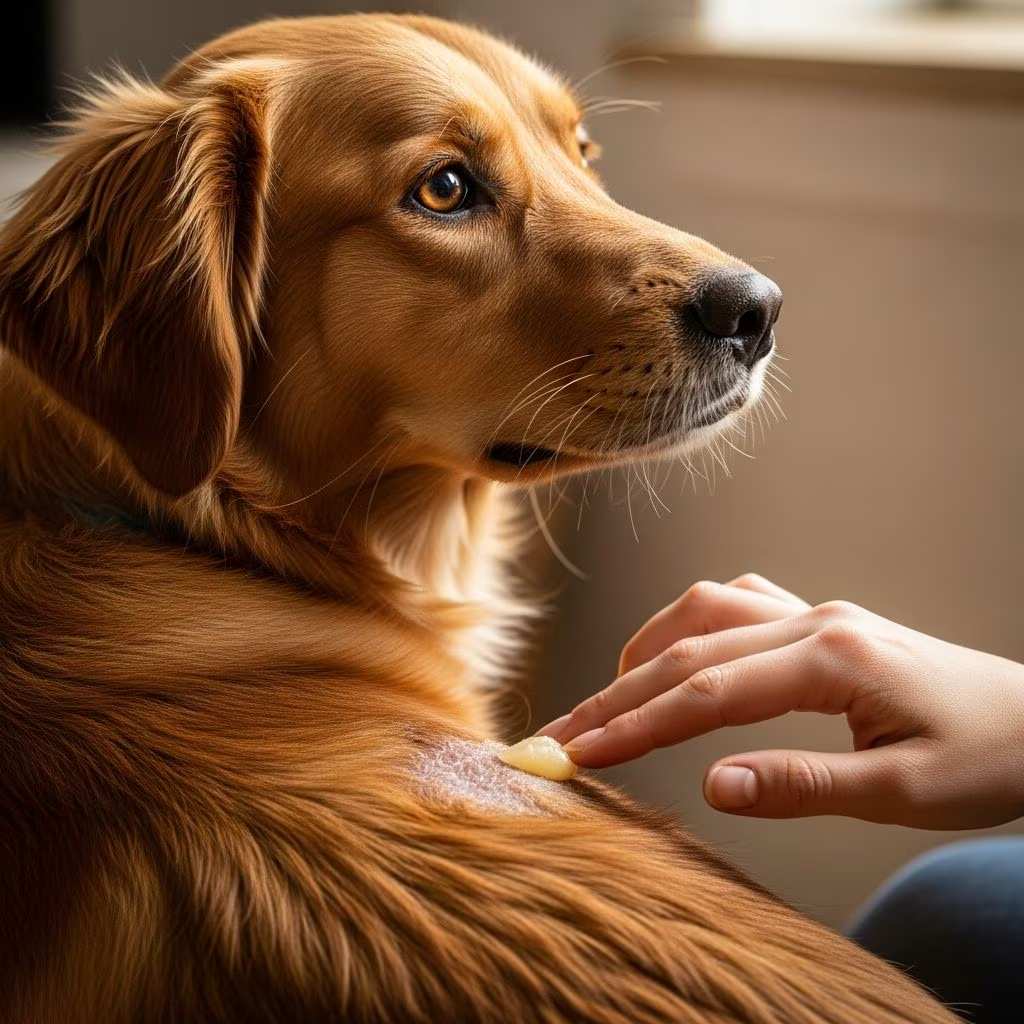
Dry skin affects many dogs, leading to discomfort, itching, and flakiness that can impact their quality of life. Addressing it promptly through environmental adjustments, nutrition, and targeted care restores moisture and promotes a glossy coat.
Recognizing the Signs of Dry Skin
Dogs with dry skin often show visible flakes resembling dandruff, excessive scratching, red patches, or rough areas around elbows and paws. These symptoms worsen in winter due to low humidity or from frequent bathing that strips natural oils.
- White or gray flakes in fur during brushing
- Intense licking or chewing at affected spots
- Dull, brittle coat lacking shine
- Redness or scaly patches on belly, legs, or back
- Behavioral changes like restlessness from itchiness
Early detection prevents secondary infections from constant scratching. Regular grooming reveals these issues before they escalate.
Common Triggers Behind Canine Dry Skin
Several factors contribute to dry skin. Environmental dryness from heating systems or arid climates reduces skin moisture. Poor diet lacking omega fatty acids fails to support skin barrier function. Allergies to food, pollen, or fleas provoke inflammation and flaking.
| Cause | Description | Prevalence |
|---|---|---|
| Environmental | Low humidity, cold weather | High in winter |
| Dietary Deficiencies | Lack of essential fats | Common in low-quality foods |
| Allergies | Food, environmental triggers | Affects 10-15% of dogs |
| Overbathing | Removes protective oils | Frequent in groomed breeds |
| Medical Conditions | Hypothyroidism, infections | Requires vet diagnosis |
Understanding the root cause guides effective treatment. Simple changes often suffice for mild cases.
Environmental Modifications for Relief
Boost indoor humidity with a humidifier during dry seasons to mimic natural moisture levels. Position it near your dog’s resting areas for maximum benefit. Provide soft bedding and avoid direct heat sources like radiators that parch the air.
Regular brushing distributes natural sebum oils evenly, reducing flakes and improving circulation. Use a slicker brush for long coats or a rubber curry for short ones, 2-3 times weekly. Cool water rinses preserve oils better than hot baths.
Nutritional Strategies to Hydrate Skin
A diet rich in omega-3 and omega-6 fatty acids fortifies the skin barrier. Incorporate fish like salmon or add supplements after vet approval to avoid digestive upset. Hydration matters too—ensure constant fresh water access.
- Add 1 tsp olive oil per 10 lbs body weight, 2-3 times weekly
- Plain yogurt (1-2 tsp daily) balances gut flora linked to skin health
- Flaxseed oil or whole raw egg sparingly for nutrients
Switch to premium kibble with listed fatty acids if current food lacks them. Monitor for allergies via elimination trials under vet guidance.
Natural Topical Treatments
Home remedies offer safe, accessible relief. Coconut oil, warmed and massaged into dry spots, moisturizes deeply with antimicrobial benefits. Dogs may lick it off, but ingestion supports internal hydration.
Vitamin E oil from capsules soothes and heals when applied directly. Olive oil works similarly topically or in food. For paws and elbows, Epsom salt soaks (2 tbsp per quart warm water, 5-10 minutes) exfoliate and soften.
Popular Oils for Dry Skin
| Oil Type | Application | Benefits | Frequency |
|---|---|---|---|
| Coconut | Topical massage | Moisturizes, fights microbes | Daily on spots |
| Olive | Food additive or rub | Shiny coat, soothes itch | 2-3x/week |
| Vitamin E | Direct to patches | Antioxidant, healing | As needed |
| Fish | Oral supplement | Omega-3 boost | Per vet dose |
Soothing Bath Techniques
Oatmeal baths calm irritation without stripping oils. Grind plain oats into powder (1 cup per large dog), mix into lukewarm water for a milky soak. Add milk or olive oil for extra hydration; let soak 10 minutes, rinse lightly.
Chamomile or green tea rinses reduce inflammation. Steep bags in warm water, cool, and apply via sponge or bath. Apple cider vinegar spray (1:1 with water) combats yeast but avoid open wounds.
Limit baths to every 4-6 weeks using moisturizing or medicated shampoos. Overbathing exacerbates dryness.
Over-the-Counter and Prescription Options
For persistent cases, vet-recommended sprays with hydrocortisone provide quick itch relief. Medicated shampoos target underlying inflammation. Prescription topicals or orals address allergies or infections.
Supplements like fish oil build long-term resilience. Always consult before starting to match your dog’s needs.
Preventive Measures for Lasting Skin Health
Consistency prevents recurrence. Maintain grooming routines, balanced feeding, and humidity control year-round. Annual vet checkups catch issues early, especially in seniors prone to hypothyroidism.
- Humidify home in winter
- Brush weekly to spread oils
- Monitor diet for allergens
- Bathe sparingly with gentle products
When to Consult a Veterinarian
Seek professional help if home remedies fail after 2 weeks, or if you notice hair loss, odor, thickened skin, or lethargy. These signal infections, hormonal imbalances, or allergies needing tests like bloodwork.
Vets may prescribe antifungals, antibiotics, or allergy immunotherapy for root causes.
Frequently Asked Questions
Can dry skin cause hair loss in dogs?
Yes, chronic scratching leads to bald patches. Treat underlying dryness to regrow fur.
Is coconut oil safe for all dogs?
Generally yes in moderation, but check with vet for puppies, obese dogs, or those with pancreatitis history.
How often should I bathe a dog with dry skin?
Every 4-8 weeks max, using oatmeal-based products.
Does diet really affect dog skin?
Absolutely—omega deficiencies directly cause flakiness.
Can humidifiers help my dog’s dry skin?
Yes, they restore air moisture, easing environmental dryness.
References
- DIY Dog Dry Skin Treatment (and Handy Medications) — PetCareRx. 2023. https://www.petcarerx.com/article/diy-dog-dry-skin-treatment-and-handy-medications/1487
- Home Remedies for Dry Dog Skin — AKC Pet Insurance. 2024-01-15. https://www.akcpetinsurance.com/blog/home-remedies-for-dry-dog-skin
- Expert Insights on Dog Dry Skin — Nutri-Vet. 2024-11-20. https://nutri-vet.com/blogs/news/dry-skin-dogs-winter-remedies
- Dry Skin on Dogs: Signs, Symptoms, Treatments — American Kennel Club. 2025-03-10. https://www.akc.org/expert-advice/health/dry-skin-on-dogs/
- Easy Treatments To Fix Your Pet’s Dry Skin — Missouri Veterinary Dermatology. 2024-09-05. https://missourivetderm.com/blog/easy-treatments-to-fix-your-pets-dry-skin/
- Dog Dry Skin: Causes, Treatments, and Prevention — PetMD. 2025-01-12. https://www.petmd.com/dog/symptoms/dry-flaky-skin-dogs
- What to do if your dog has dandruff or dry skin — Vetster. 2024-06-18. https://vetster.com/en/wellness/what-to-do-if-your-dog-has-dandruff-or-dry-skin



